The quick version
Every rub is a ratio, not a secret: 2 parts sugar, 2 parts salt, 1 part paprika, plus a spice layer of 1 to 1.5 parts steered toward the meat. Load the sugar for pork and ribs, drop it entirely for brisket (50/50 coarse salt and 16-mesh pepper), and cut it in half for poultry with smoked paprika. Sugar scorches above roughly 300°F over direct heat, so sweet rubs stay low-and-slow — and dry-brine big cuts uncovered in the fridge 8 to 24 hours, cutting the rub’s salt if the meat was already brined.
A great rub is not a secret blend of forty spices locked in a safe. It is a ratio. Once you understand the skeleton underneath every commercial jar you have ever bought, you can build a rub for anything walking, swimming, or clucking — and tune it to your own smoke. No more paying eleven dollars for what is mostly sugar and salt.
I have been rubbing meat for a long time, and I promise you the whole game comes down to four moving parts: sugar, salt, paprika, and a spice layer you steer toward sweet, savory, or bright. Get the base right and everything else is seasoning to taste. Let me hand you the template.
Memorize this and you will never be lost in the spice aisle again:
That three-ingredient core is your foundation. On top of it you add a spice layer that usually runs another 1 to 1.5 parts total — black pepper, garlic powder, onion powder, chili powder, cumin, mustard powder, cayenne, whatever the meat calls for. A "part" can be a tablespoon for a small batch or a quarter-cup for a big one. The ratio holds no matter the scale.
Why these three anchor everything: the sugar caramelizes and helps build bark, plus it balances smoke's bitterness. The salt seasons deep and pulls moisture to the surface where it dissolves and reabsorbs (a dry-brine effect — more on that below). The paprika gives you that mahogany color and a gentle sweet-pepper backbone without heat. Everything after that is personality.
Weigh your salt, don't scoop it. Diamond Crystal kosher is roughly half as dense as Morton by volume, so a "tablespoon" of one is nearly double the sodium of the other. When a rub tastes salty on one batch and flat on the next, this is almost always why.
Same skeleton, three different animals. These are the workhorses in my shop.
Pork loves sugar. This is the classic sweet-and-smoky profile for a Boston butt, spare ribs, or baby backs.
This is a sugar-forward rub, which means it is built for low and slow cooking at 225–275°F (107–135°C). Run it hot over direct flame and the sugar scorches. Keep it in the smoke and it builds a glossy, deep bark.
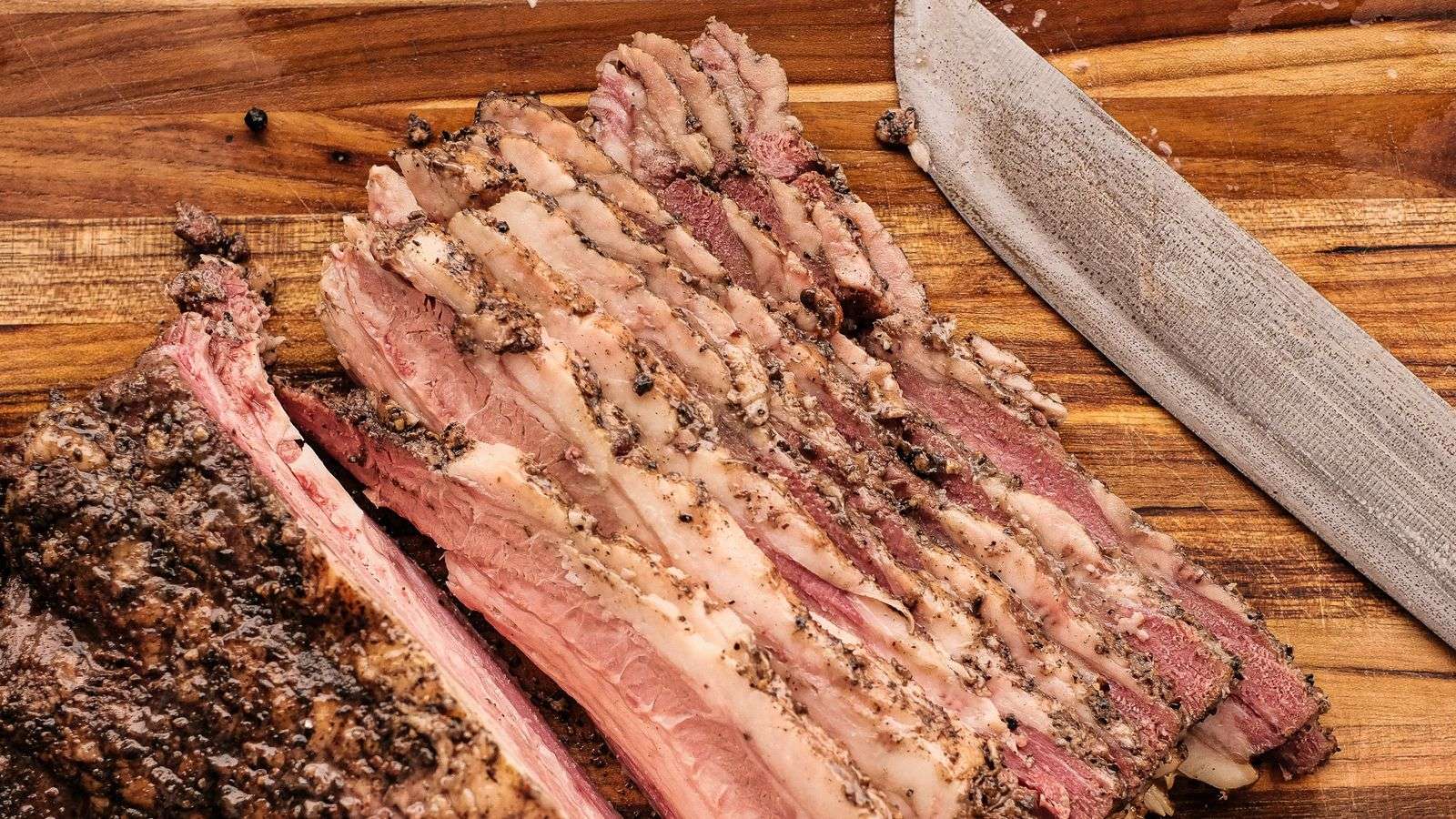
Beef, especially brisket, does not need sugar to shine — it needs seasoning and pepper bite. The Central Texas standard is almost aggressively simple: a 50/50 blend of coarse salt and coarse black pepper, sometimes called "dirt" because that is exactly what it looks like sprinkled on a packer.
Notice the sugar is gone. On a 12–14 lb packer that will spend 12+ hours in smoke, sugar is unnecessary and can turn acrid over that long a cook. The coarse grind matters here — fine pepper burns and goes bitter, while 16-mesh gives you texture and that peppery crust. If you are chasing bark on a full packer, my complete brisket guide walks the trim, rub, and stall end to end.
Chicken skin is delicate and the meat cooks faster, so you dial back the sugar (it burns before the bird is done) and lean on smoked paprika for color and a whisper of smoke even on a fast cook.
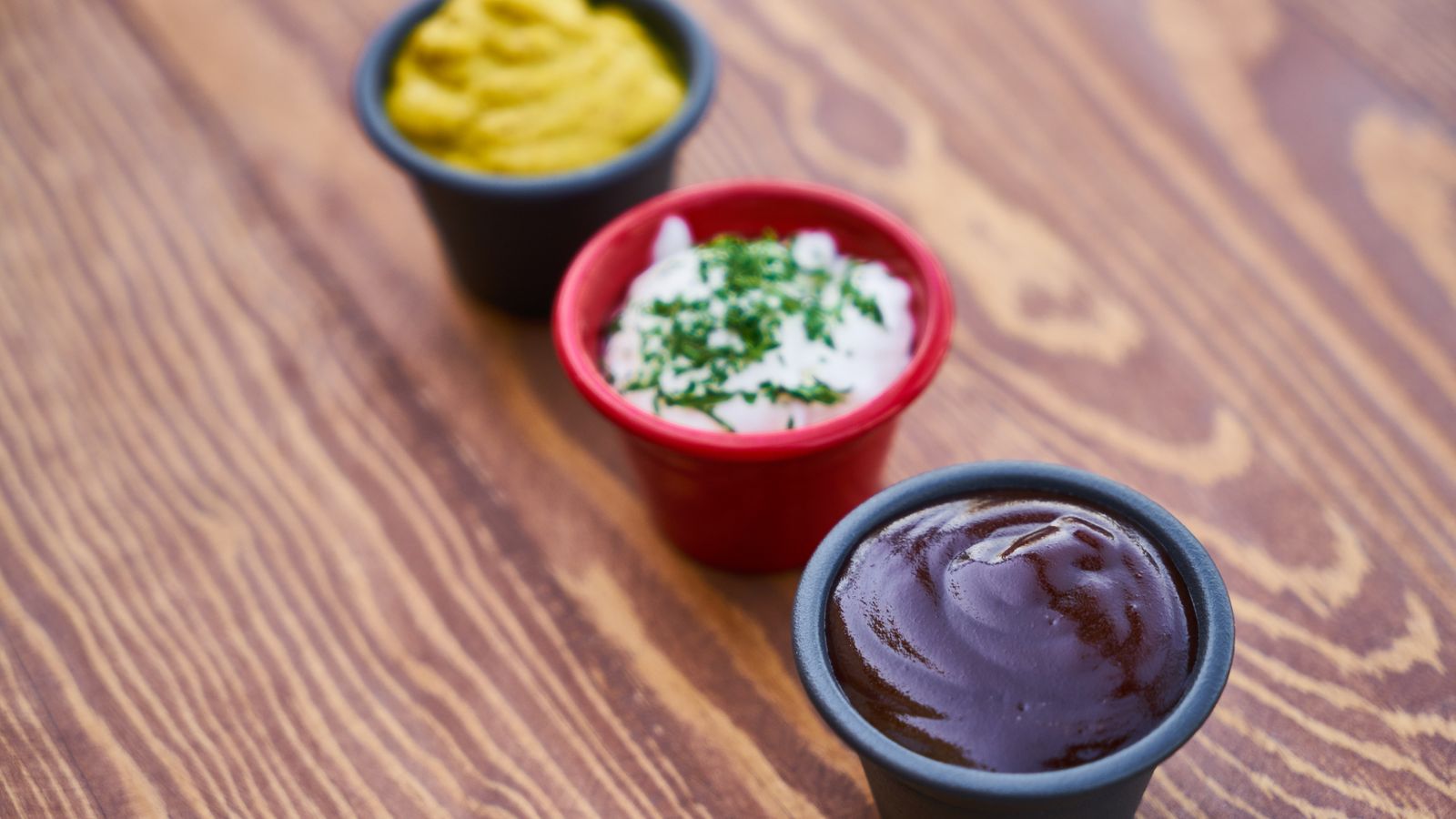
Half the sugar of the pork rub, double the paprika. This works beautifully on a spatchcocked whole bird or wings. If you want truly crisp skin, a light dusting of baking powder (about ½ tsp per pound) mixed into the rub raises the skin's pH and helps it render and crisp.
| Rub | Sugar | Salt | Paprika | Best cook temp |
|---|---|---|---|---|
| Sweet Pork/Rib | High (4) | 4 | Regular (2) | 225–275°F |
| Texas Dirt Beef | None | 4 | Trace (1 tsp) | 225–275°F |
| Poultry | Low (1) | 2 | Smoked (2) | 275–375°F |
These are starting points, not commandments. Taste the raw blend off your fingertip — it should taste a touch too salty and too intense on its own, because it gets diluted across a big cut. Adjust from there.
Grab the free doneness + wood-pairing cheat sheet →Putting rub on is easy. Knowing when is what separates good bark from a pale, salty mess. There are two windows, and which one you use depends on the size of the cut.
For chicken pieces, pork chops, steaks, and anything under a couple hours of cook time, season 30 to 60 minutes before it hits the grate and leave it on the counter. The salt starts drawing moisture to the surface; that moisture dissolves the rub into a tacky slurry that grips the meat and browns into crust. Any longer at room temperature is not worth the food-safety trade-off on small cuts.
For brisket, pork butt, and whole racks of ribs, rub the night before and let it rest uncovered in the fridge for 8 to 24 hours. This is a genuine dry brine.
Over those hours the salt penetrates deep, seasons the interior, and the surface dries out — and a dry surface takes smoke and forms bark far better than a wet one. Twelve hours is my sweet spot for a packer brisket.
Do not go much past 24 hours or the salt over-cures the outer layer and the texture turns hammy.
"Does the rub need a binder?" Not really. The meat's own surface moisture is enough glue if you give the rub a few minutes to get tacky. A thin smear of mustard or oil helps rub cling to a dry, cold brisket and adds zero flavor once cooked — but if you are dry-brining overnight, skip it. The salt-drawn moisture does the job for free.
This is the single most common way a good rub goes wrong. Sugar starts to scorch and turn bitter above roughly 300°F (150°C) over direct heat. Brown sugar begins breaking down and burning well before your grill grate hits searing temperatures.
What this means in practice:
If you are grilling over two zones so you can move food away from the flame, set up a proper two-zone fire — it gives you a cool side to park sugar-rubbed pieces before they char.
Store finished rub in an airtight jar, away from light and heat, for 3 to 4 months at full punch. It will not spoil after that — salt and sugar are preservatives — but the ground spices, especially paprika and anything with volatile oils, fade. Buy or grind in batches you will actually use in a season. Never scoop rub out of the jar with a hand that just touched raw meat; decant what you need into a small bowl and toss the excess.
Here is the trap that ruins more birds and pork shoulders than any burnt bark ever will. If you brine or dry-brine the meat, your rub must not also carry a full salt load. Salt from the brine plus salt from the rub stacks, and you end up with something you cannot eat.
The fix is simple: if the meat is already brined, use a salt-free version of your rub — same recipe, drop the salt entirely — or cut the rub's salt in half at most. This matters most on poultry and pork that people love to wet-brine before smoking. On a Thanksgiving turkey that spent 12 hours in brine, a full-salt rub is a one-way ticket to inedible. Season once, on purpose, and know where every gram of salt is coming from.
And whatever the rub is doing, doneness is decided by internal temperature, not by the clock or the color of the bark. Keep a probe in the meat and pull to the numbers on the meat temperature chart — 203°F for pull-apart pork and brisket, 165°F for the deepest part of poultry.
Everything above collapses into one card you can pin inside a cabinet door. The base is always 2 sugar : 2 salt : 1 paprika; the spice layer and the sugar dial are what change per meat.
| Meat | Sugar dial | Paprika type | Signature spice | Apply |
|---|---|---|---|---|
| Pork / ribs | Full (2) | Regular | Mustard powder | 8–12 hr fridge |
| Brisket / beef | Zero | Color only | Coarse pepper | 12–24 hr fridge |
| Poultry | Half (1) | Smoked | Thyme + garlic | 1–8 hr fridge |
| Direct-heat grilling | Zero–half | Regular | Whatever you like | 30–60 min counter |
That same chart, plus doneness pull temps and a wood-pairing guide, is on the free cheat sheet linked above — print it, tape it up, and stop guessing. Pair your rub with the right finish and you are cooking with intent: a Texas-dirt brisket wants nothing but smoke, while a sweet pork rub sings under a Kansas City-style sauce.