The quick version
Take a bone-in Boston butt, 8 to 10 pounds, slather it with yellow mustard, pack on a brown-sugar rub, and run 225-250°F with a hickory-apple blend for roughly 1.5 to 2 hours per pound — 12 to 14 hours for an 8-pounder. The stall around 150-170°F is normal; ride it out for bark or foil-wrap at 165°F if you’re on the clock. Pull at 200-203°F when the probe slides in like butter and the blade bone twists free, rest 45 to 60 minutes in a cooler, then shred and fold the chopped bark back through the whole batch.
Pulled pork is the cook that turns a nervous beginner into someone the neighbors start asking for favors. It's forgiving, it feeds a crowd for pocket change, and a bone-in Boston butt practically wants to be smoked. Nail this one and you've unlocked the whole low-and-slow world.
Here's the deal: this is a long cook, not a hard one. Twelve to fourteen hours sounds intimidating until you realize you're mostly holding a beer and keeping the fire steady. I'll walk you rub-to-bun with real temperatures, real timing, and the reasons behind every move so you're never guessing.
The "pork shoulder" splits into two cuts. The Boston butt is the upper shoulder — thick, evenly marbled, wrapped in fat and connective tissue that melts into silk over a long cook. The picnic is the lower shoulder: leaner, tougher, with awkward skin and a weirder bone. For your first cook, and honestly for most of your cooks, take the butt.
Buy bone-in, 8 to 10 pounds. The bone conducts heat toward the center, adds flavor, and — best part — becomes your doneness tester later. That blade bone should twist clean out of the finished meat like it was greased. Don't trim the fat cap to nothing; leave about a quarter inch (roughly 6mm). It bastes the meat as it renders.
Buy a pound or two more than you think you need. A Boston butt loses close to 40% of its raw weight to rendered fat and moisture. That 9lb butt yields around 5 to 5.5lb of finished pulled pork — plan on roughly a third-pound sandwich per person.
Slather the whole butt in cheap yellow mustard first. Don't panic — it cooks off completely and you won't taste it. It's a binder, a tacky layer that grabs the rub and helps build bark. A thin coat is all you need.
Now the rub. Pulled pork loves sweet-and-savory, and you want sugar in there to caramelize into that dark crust. A reliable ratio by volume:
Coat it heavily on every surface — pork butt is thick and can take way more rub than a rack of ribs. Once it's on, you can smoke right away, but resting the rubbed butt uncovered in the fridge for a few hours (or overnight) tightens the surface and deepens the bark. Want to go deeper on building your own blend? See the ultimate BBQ dry rub guide.
Run your smoker at a steady 225-250°F (107-121°C). Lower end for maximum bark and rendering if you've got the time; 250°F if you're on a clock. Consistency matters more than the exact number — a bouncing fire is what ruins cooks, not a degree or two. If you're still dialing in your pit, read up on mastering charcoal vents and the fundamentals of low and slow smoking.
For wood, a hickory and apple blend is the pulled pork classic. Hickory brings that bold, bacon-y backbone; apple softens it with a touch of fruit sweetness that plays perfectly against the brown sugar. Straight hickory can turn bitter over a 12-hour cook, so cutting it with apple keeps the smoke friendly. Whatever smoker you're running — offset, pellet, kamado, or drum — the target temps are the same.
Set the butt fat cap down if your heat comes from below (most kettles, bullets, offsets), so the fat shields the meat from the direct heat source. On a pellet grill with even heat, cap up is fine. Put your leave-in probe into the thickest part of the meat, not touching the bone.
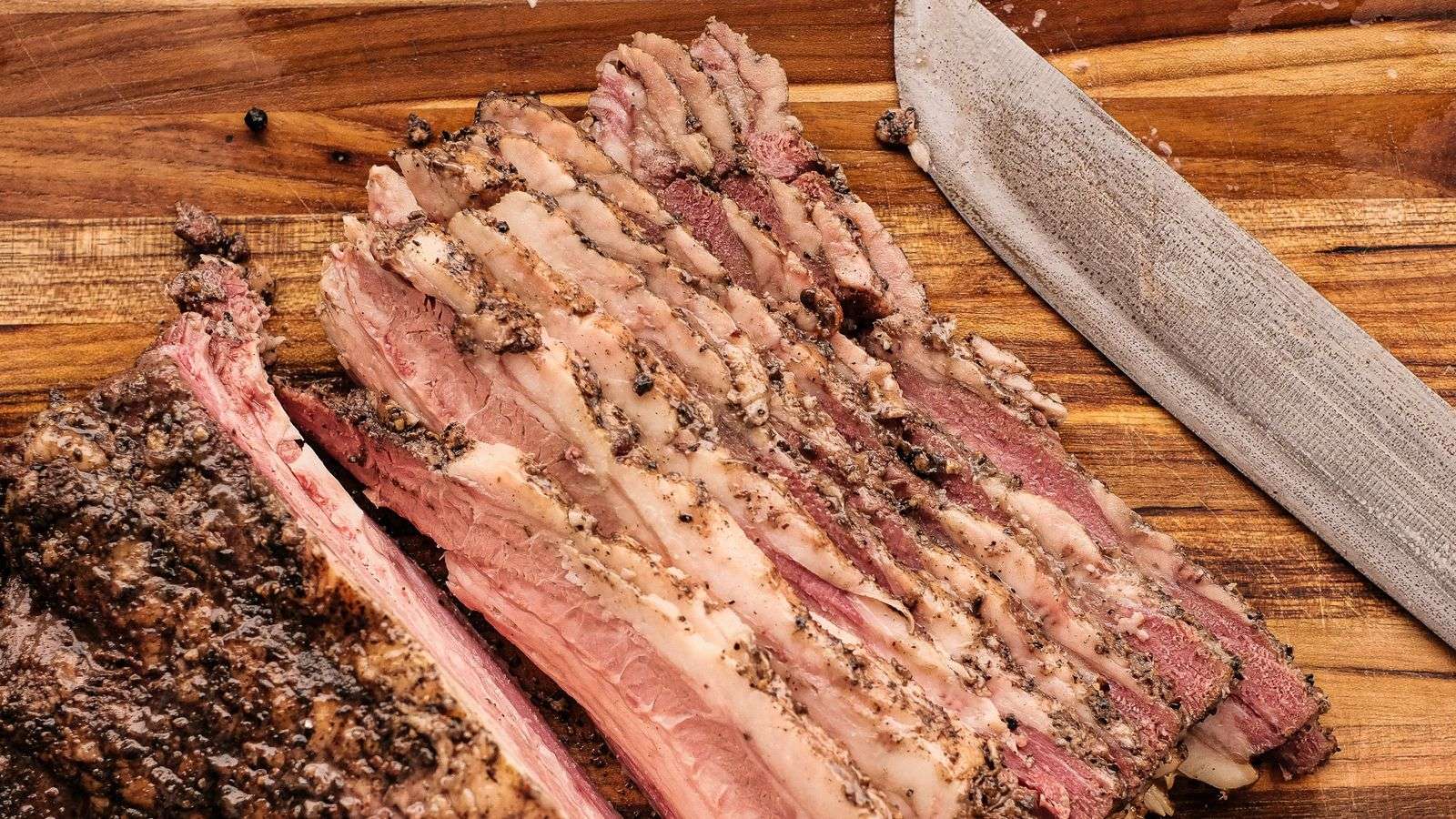
Budget roughly 1.5 to 2 hours per pound. An 8lb butt runs 12-14 hours; a 10-pounder can stretch past 16. That's a range, not a promise — the meat is done when it's done, and time is only a planning tool.
| Stage | Internal Temp (°F) | What's Happening |
|---|---|---|
| On the smoker | Raw → 150°F | Bark forming, fat starting to render |
| The stall | ~150-170°F | Temp stalls for hours (evaporative cooling) |
| Crutch point | ~165°F | Optional foil wrap to power through |
| Push to finish | 170°F → 200°F | Collagen breaking into gelatin |
| Pull it | 200-203°F | Probes like butter, bone twists free |
Grab the free doneness + wood-pairing cheat sheet →
Somewhere around 150-170°F internal, your temperature will stop climbing. It might sit there for two, three, even four hours. This is the stall, and it is completely normal. Moisture evaporating off the surface cools the meat almost as fast as the fire heats it — it's meat sweating. Do not raise your pit temp in a frenzy. Do not open the lid every five minutes. Just hold steady. (The full science is in the stall explained.)
If the stall is threatening your dinner schedule, wrap. At around 165°F, pull the butt, wrap it tight in a double layer of foil (a splash of apple juice inside is optional), and put it back on. The foil traps moisture, stops evaporative cooling, and blasts you through the stall an hour or two faster — this is the Texas crutch.
The trade-off: foil softens your bark because it steams the crust. If time isn't tight and you want maximum bark, ride the stall out naked and just wait. If dinner is at 6 and the clock is against you, wrap without guilt. Butcher paper is a middle path — it breathes a little, so you push through the stall while keeping more of your bark. This is the same crutch decision you'd face on a brisket cook.
Here's the single most important thing to understand: pork butt is not done at the safe-to-eat temperature. It's technically safe around 145°F, but it'll be a tough, sliceable roast — not pulled pork. You need to keep going another 55-60 degrees to melt the collagen into gelatin. That's what makes it shred.
Pull it at 200-203°F (93-95°C). But trust feel over the number. When it's ready, your probe slides in with zero resistance — like pushing into room-temperature butter — and the blade bone twists free with a gentle pull. If either fights back, give it more time; it'll get there. Always confirm with a good instant-read thermometer, and if you're fuzzy on target temps across cuts, bookmark the meat temperature chart.
Resist the urge to shred it hot off the smoker. Wrap the butt (foil or towel), drop it in an empty cooler, pack towels around it, and let it rest 45-60 minutes — a full hour or even two is even better and won't hurt it.
Resting lets the rendered fat and juices redistribute back into the muscle instead of running out onto your cutting board. Shred it too early and you're pouring flavor down the drain. A cooler will hold a wrapped butt above 140°F for hours, which is also your buffer if it finishes early.
Now the payoff. Unwrap over a pan to catch the juices. Pull the bone out — it should slide clean. Shred with bear claws, two forks, or clean gloved hands. As you go, find those dark, crusty bark pieces on the outside, chop them fine, and fold them back through the whole batch. That bark is concentrated flavor — evenly distributed, it makes every bite taste like the best bite.
Pour the reserved pan juices (the "au jus") back over the meat as you pull. That's free moisture and seasoning — never throw it out. If the pork seems dry, that liquid is your rescue.
Never sauce the whole pot before serving. Keep the pulled pork lightly moistened with its own juices and let people sauce their own plate. Over-sauced pork drowns the smoke and bark you worked 13 hours to build.
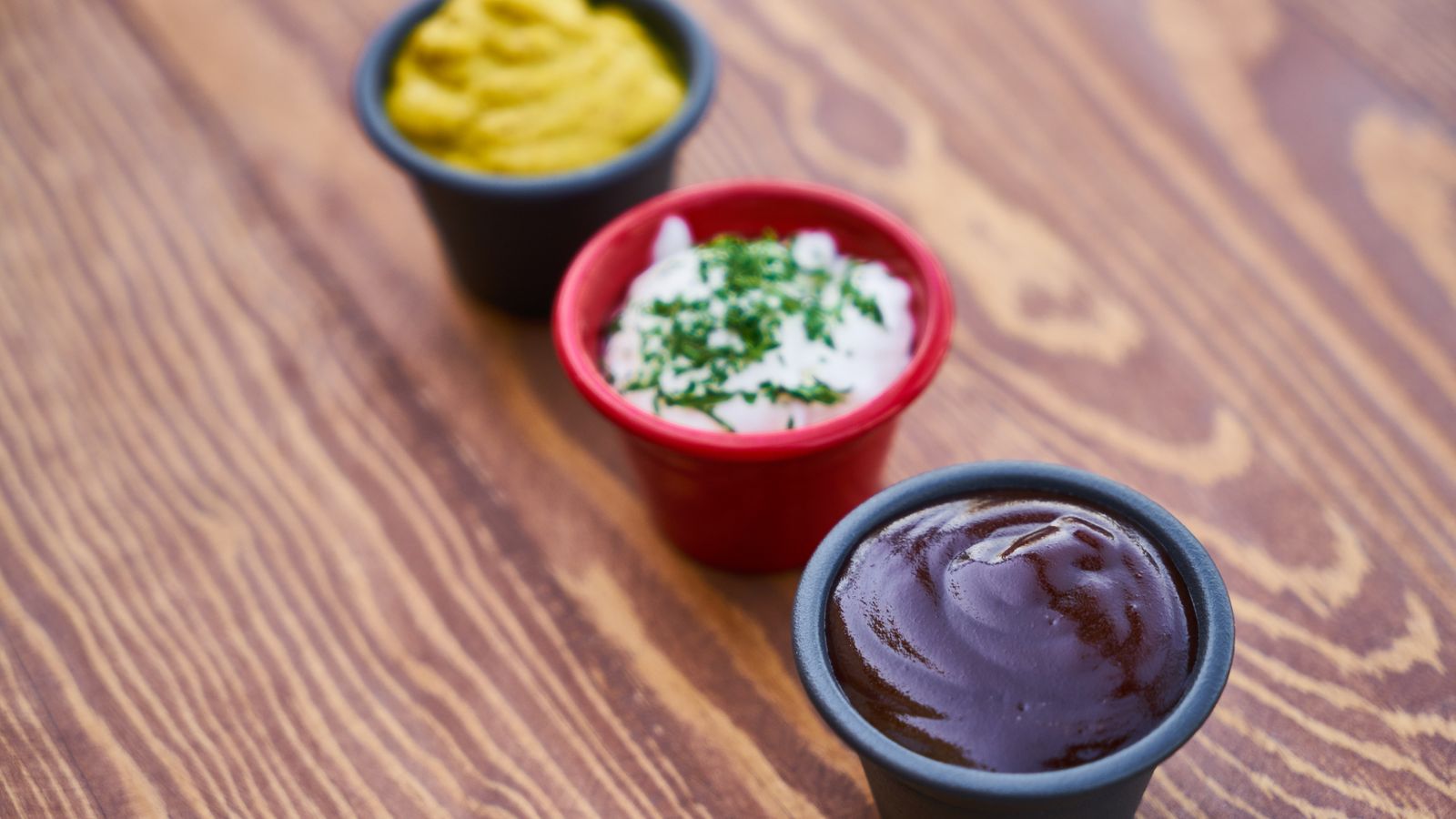
Pulled pork is a blank canvas for the great American sauce traditions. Serve one on the side, or two, and let folks choose:
Want the actual recipes and the map of who sauces what? See the regional BBQ sauce guide and the broader guide to America's BBQ regions.
The meat is the star, but the sandwich is the show. Here's the build that never misses:
Round out the plate with proper BBQ sides — baked beans, cornbread, and more of that slaw — and you've got a spread that feeds twelve and costs less than takeout for four.