The quick version
There’s no one American BBQ sauce — there are five regional answers, each built for a cut. Kansas City runs thick tomato-and-molasses for ribs and burnt ends, Eastern North Carolina is straight vinegar-pepper tossed through pulled pork, South Carolina goes mustard-based Carolina Gold, Alabama white (mayo, vinegar, horseradish — Big Bob Gibson, 1925) owns smoked chicken, and Texas mops brisket with a thin stock-and-vinegar baste. The one rule over all of it: sugar turns acrid around 265°F, so sweet sauces only touch heat in the last 15 to 20 minutes.
Ask five pitmasters what "BBQ sauce" means and you'll start five arguments. That's because there is no single American BBQ sauce — there are regional answers to regional problems. Thick and sweet in Kansas City, thin and sharp in eastern North Carolina, a mustard slick in South Carolina, a tangy white in north Alabama, and in Texas barely a sauce at all. Each one exists to do a specific job on a specific cut of meat.
I'm going to hand you the real recipes, the exact ratios, and the reason each style tastes the way it does. Get these five in your back pocket and you can dress anything that comes off your smoker like you meant it.
Before recipes, the single mistake I see most: people slather sugary sauce on early and pull off scorched, bitter meat. Sugar burns. Sucrose starts breaking down and turning acrid right around 265°F (129°C), and molasses and brown sugar go bitter even faster.
That's why any tomato-and-sugar sauce — Kansas City, most Memphis "wet" — goes on only in the last 15 to 20 minutes of the cook, over indirect heat, so it sets into a tacky glaze instead of a black crust.
Vinegar and mustard sauces don't have this problem. With little or no sugar, they can baste the whole cook long. That single fact — how much sugar is in the bottle — explains almost everything about when and how each regional style gets used. Keep an eye on your grate temp with a good leave-in probe and this rule takes care of itself.
Grab the free doneness + wood-pairing cheat sheet →Warm your glaze before it touches meat. A cold sauce straight from the fridge drops the surface temp of your bark and stalls the last push to doneness. Thin it with a splash of cider vinegar or stock and take the chill off in a saucepan first.
This is the sauce most Americans picture — the deep red-brown, cling-to-a-spoon style that fills grocery shelves. Kansas City sits at the crossroads of regional styles, and its sauce reflects that: a tomato base (ketchup or tomato paste), sweetened hard with molasses and brown sugar, balanced by vinegar and warm spices. It's thick because it's meant to coat and glaze, not soak in.
KC sauce was made for the city's signature cuts: spare ribs and burnt ends — those chewy, candied cubes cut from the point of a smoked brisket. Both are fatty, and fat loves sweet. The sugar caramelizes against the rendered fat and gives you that lacquered, sticky finish.
Whisk cold, then simmer gently 15 to 20 minutes until it coats the back of a spoon. Cool and it thickens more. To glaze ribs: pull them when they pass the bend test, brush a thin coat, and return to the smoker at 250°F (121°C) for 15 minutes to set. Repeat once for a heavier build. For the full rib playbook, see my competition-style ribs guide.
The Carolinas don't have one sauce — they have a north-south, east-west argument that's older than most BBQ joints.
The oldest style in this whole guide, and the most bracing. No tomato, no sugar to speak of — just cider vinegar cut with red pepper flakes, a little black pepper, and salt. That's it. It looks like nothing in the jar and tastes like a slap in the face, in the best way.
It exists for one reason: whole-hog and pulled pork. Fatty, rich, chopped pork shoulder needs an acid to cut through it, not more sugar to pile on. The vinegar penetrates the shredded meat, brightens every bite, and keeps a big pile of pork from feeling heavy. You don't glaze with it — you toss the pulled meat in it, right before serving.
No cooking. Combine in a jar, shake, and let it sit at least an hour so the pepper blooms. Toss it through freshly pulled pork butt a few tablespoons at a time until it tastes bright but not sour.
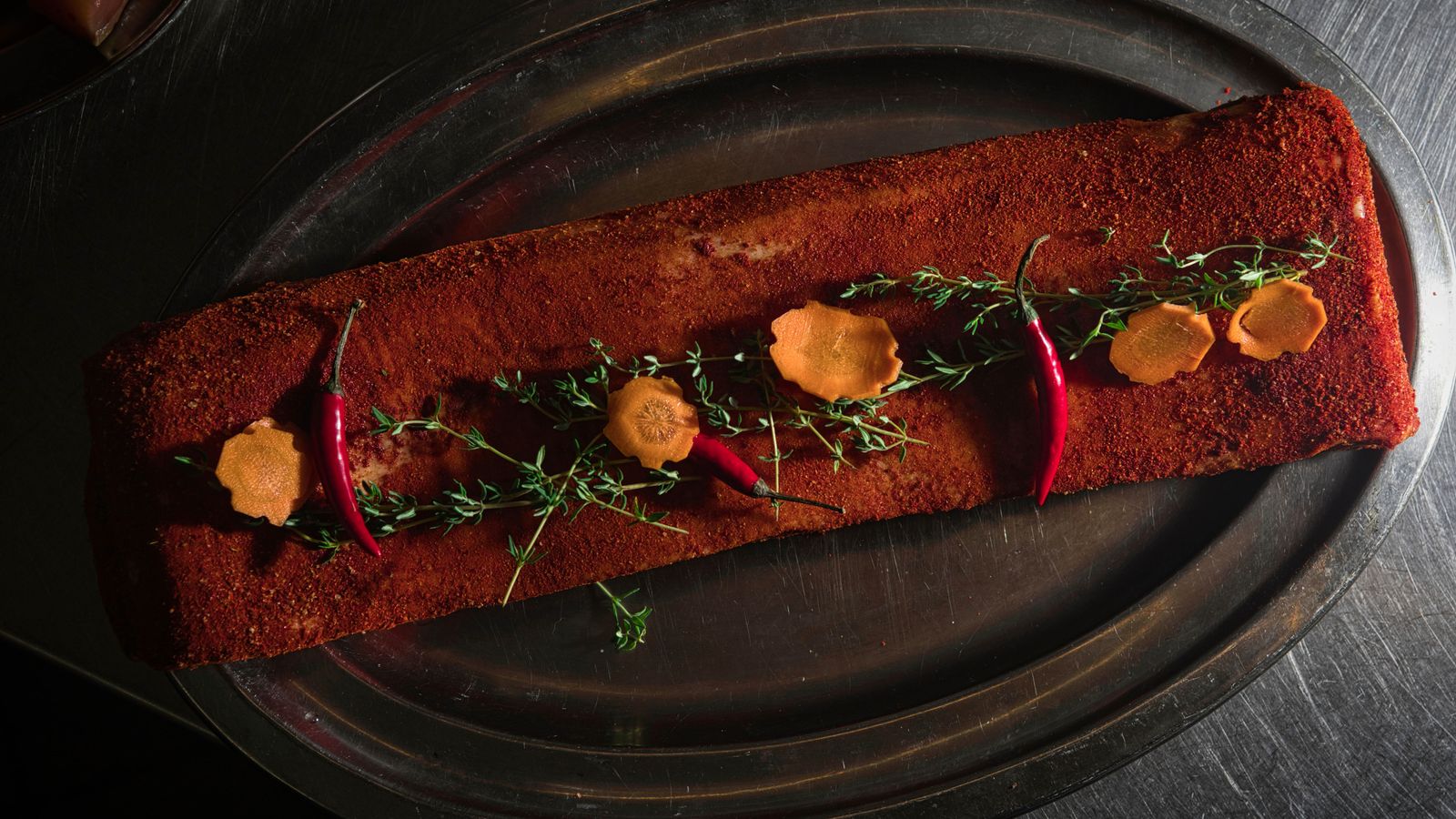
Drop into South Carolina's midlands — German settler country — and the sauce turns bright yellow. Carolina Gold is a yellow-mustard base loosened with vinegar, sweetened lightly with honey or brown sugar, and warmed with a little heat.
Mustard's tang plays the same cut-the-fat role vinegar does out east, but with more body and a savory backbone. It's phenomenal on pulled pork and smoked sausage, and it clings just enough to brush on chicken thighs in the last few minutes.
Whisk and simmer 10 minutes to marry the flavors. Because there's honey in it, treat it like a sugar sauce on anything grilled — last 10 to 15 minutes only.
The wild card. Alabama white sauce is built on mayonnaise thinned with vinegar, sharpened with horseradish, black pepper, and lemon. It was created at Big Bob Gibson Bar-B-Q in Decatur, Alabama, in 1925, where whole chickens were dunked in it straight off the pit. It's the only mayo-based BBQ sauce in wide use, and once you try it on smoked poultry you'll understand why it survived.
White sauce lives on smoked chicken and turkey. The fat and acid coat lean poultry the way vinegar coats pork — it re-moistens the surface, adds richness where smoked white meat can go dry, and the horseradish bite keeps it from being one-note. It's a finishing and dipping sauce; never cook it hard, because mayo breaks and separates over direct heat.
Whisk cold, refrigerate at least 2 hours (overnight is better) so the pepper and horseradish infuse. Pull your bird when the thigh hits its target on the meat temperature chart, then either dunk the whole thing or drizzle at the table. It pairs beautifully with a crisp-skinned spatchcock smoked chicken.
Alabama white browns fast if it hits open flame — the mayo's oil and the sugar both scorch. If you want it warm, brush it on after the chicken is off the heat and resting, not while it's over coals.
Central Texas built its reputation on beef and post oak, and here the rub does the heavy lifting. What sauce exists is often a thin mop — a basting liquid, not a table condiment. A classic beef mop is vinegar, beef broth or stock, a little fat or oil, Worcestershire, and coarse pepper, swabbed onto brisket during a long cook to keep the surface moist and layer bark. It's watery on purpose. It bastes; it doesn't glaze.
Many Texas joints put out little or no table sauce at all — the belief being that great smoked brisket shouldn't need it. When a thin "sauce" is served, it's usually a peppery, beefy jus closer to that mop than to anything sweet.
Warm it and keep it beside the pit. Mop the brisket every 45 to 60 minutes after the first 2 to 3 hours (mopping too early washes off unset rub and stalls the bark). Every time you open the lid you lose heat, so mop with intent, not obsession.
Memphis ribs come two ways, and the debate is a religion. Dry ribs wear a spice rub only — no sauce — often dusted again after the cook so you taste the rub and the smoke cleanly. Wet ribs get a thin, tangy tomato-and-vinegar sauce brushed on near the end. Memphis sauce sits between Carolina's bite and Kansas City's sweetness: tomato-based but thinner and sharper than KC, more vinegar-forward and less sugary.
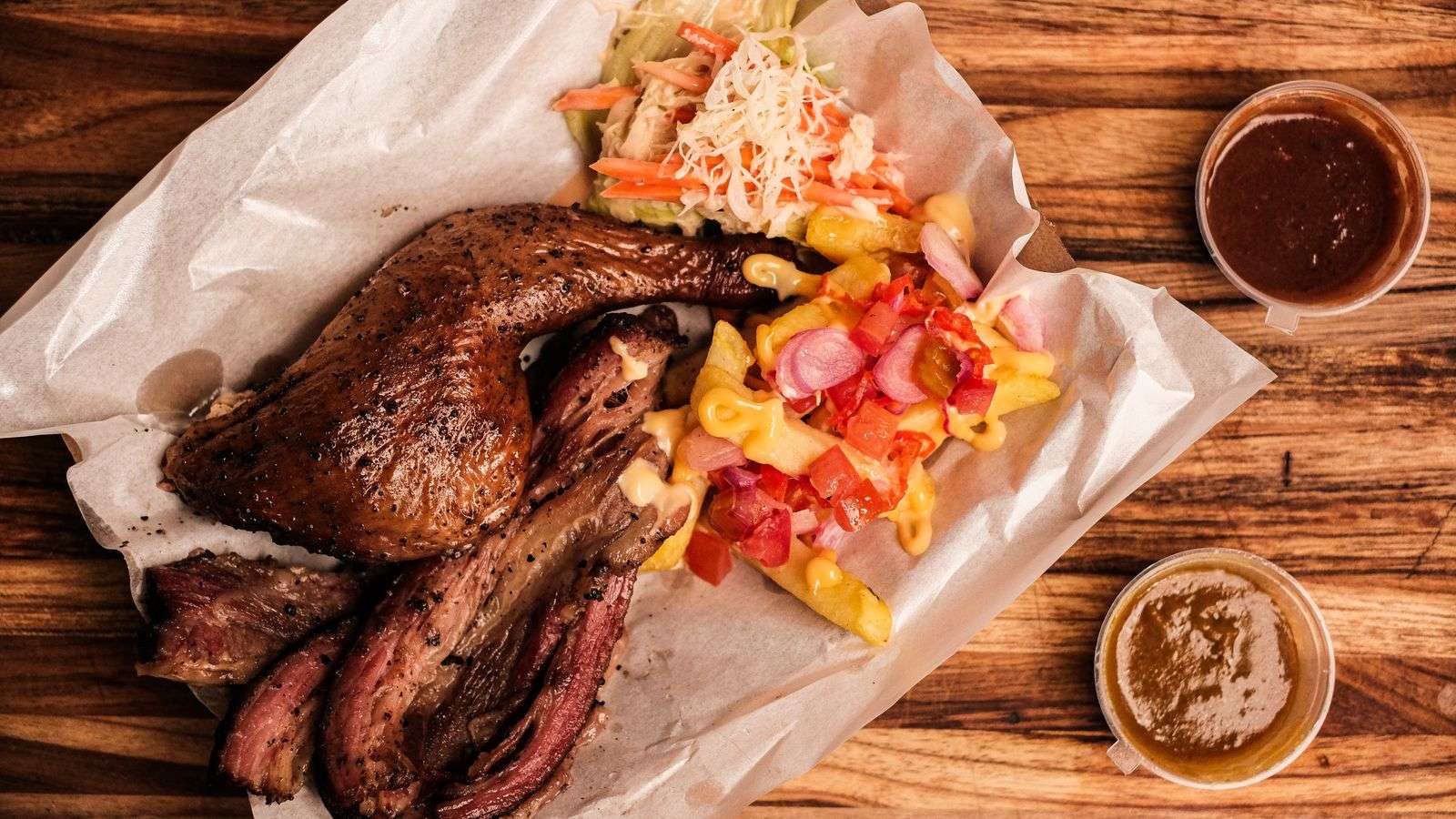
If you run dry, the magic is in the dry rub — paprika, brown sugar, garlic, and a good hit of pepper. If you run wet, treat that sauce like any sugar sauce: last 15 to 20 minutes, thin coat, let it set.
Here's every style at a glance — base, defining ratio, and the meat it was born for. Screenshot it and stick it inside a cabinet door.
| Style | Base | Key ratio (by volume) | Sugar? | When applied | Born for |
|---|---|---|---|---|---|
| Kansas City | Tomato / ketchup | 4 ketchup : 1 molasses : 1 brown sugar : 1 vinegar | High | Last 15–20 min | Ribs, burnt ends |
| Eastern NC | Cider vinegar | Vinegar + 1 tbsp pepper flakes per cup | — | Tossed after cook | Pulled pork, whole hog |
| SC Carolina Gold | Yellow mustard | 3 mustard : 1 vinegar : 1 honey | Low | Last 10–15 min or table | Pulled pork, sausage |
| Alabama White | Mayonnaise | 4 mayo : 1 vinegar + horseradish | Trace | After the cook / dip | Smoked chicken, turkey |
| Texas mop | Stock + vinegar | 2 stock : 1 vinegar : 1 fat | — | Baste every 45–60 min | Brisket, beef ribs |
| Memphis wet | Tomato + vinegar | 3 tomato : 2 vinegar : 1 sugar | Medium | Last 15–20 min | Pork ribs |
The pattern underneath all of this is simple physics: fatty, rich meats want acid; lean meats want fat and moisture; sweet finishes belong on cuts that render enough fat to carry them. Match your sauce to the fat and the cook time and you'll never mis-dress a plate.
| Meat | Fat level | Cook time | Best sauce | Why |
|---|---|---|---|---|
| Pulled pork shoulder | High | 10–14 hrs | Eastern NC vinegar / Carolina Gold | Acid cuts the richness |
| Spare & baby back ribs | High | 4–6 hrs | Kansas City / Memphis | Sugar caramelizes on rendered fat |
| Brisket | High | 10–16 hrs | Texas mop (or none) | Rub and smoke lead; mop keeps bark moist |
| Burnt ends | Very high | +2–3 hrs | Kansas City | Candy-sweet glaze on fatty cubes |
| Smoked chicken / turkey | Lean | 2–4 hrs | Alabama white | Fat + acid re-moisten lean poultry |
| Smoked sausage | High | 2–3 hrs | Carolina Gold | Mustard tang balances the fat |
Notice brisket and burnt ends come off the same packer but want opposite treatments — the lean flat stays honest with a mop, while the fatty point turns into candy under KC glaze. That's the whole game in one cut of beef. New to long cooks? Start with my low and slow guide and dial in your fire with a proper two-zone setup before you worry about sauce.
Always sauce to taste in stages, not all at once. Whether you're tossing pulled pork or glazing ribs, add half, taste, then decide. You can always add more; you can't pull sauce back out of a pile of meat.
Once you understand the four levers — base (tomato, vinegar, mustard, or mayo), sweet (sugar, molasses, honey), acid (vinegar, lemon), and heat (cayenne, pepper flakes, black pepper) — you can bend any of these toward your own table. Want a KC sauce with more backbone? Push the vinegar.
Want Carolina Gold that clings to wings? Add a spoon more honey and simmer it down. There's no wrong answer as long as you respect the sugar-burn rule and match the finish to the fat.