The method that works: toss 2 pounds of wings with a tablespoon each of kosher salt and aluminum-free baking powder — never baking soda — and dry brine uncovered on a rack 8 to 24 hours. Smoke at 225°F then finish at 375–400°F, or run one temp at 300–325°F for 45 to 60 minutes; both get crisp skin. Pull at 175–185°F, not 165°F, and sauce only after they come off the heat.
Rubbery skin is the reason most backyard cooks give up on smoked wings and go back to the deep fryer.
It's not your smoker's fault, and it's not bad luck — it's three fixable mistakes stacked on top of each other: wet skin going onto the grate, a smoker temperature too low to render fat, and sauce applied before the skin ever had a chance to set.
Fix those three things and smoked wings beat fried wings, full stop, because you get the crackle and real smoke flavor underneath it.
This is the method — dry brine, wood choice, exact temperatures, and the sauce-last rule — that gets you shatter-crisp skin off a smoker every single time, whether you're running a pellet rig, a kettle, or an offset.
Why Most Smoked Wings Come Out Rubbery
Chicken skin is mostly water, fat, and collagen. To get it crisp you have to do two things at once: pull moisture out of the surface before it ever hits heat, and hold enough temperature long enough to render the fat layer underneath.
Most home cooks do neither — they smoke wet wings straight from the package at a low, "gentle" temperature because that's what they've heard for brisket and pork butt. Low and slow works beautifully for a fatty, collagen-heavy cut you're braising in its own rendered fat over many hours.
It's the wrong instinct for something as thin and skin-heavy as a wing, which is why the low and slow smoking approach that's perfect for a shoulder or brisket needs a hard pivot here.
Step One: The Dry Brine (Salt + Baking Powder, Never Baking Soda)
This is the single most important step in the whole recipe, and it happens the night before you ever turn on the smoker.
The Ratio
For every 2 pounds of wings (whole wings, drumettes, and flats all work — pat them bone-dry with paper towels first), toss with:
1 tablespoon Diamond Crystal kosher salt (use half that — about 1½ teaspoons — if you're working with Morton's, which is denser)
1 tablespoon aluminum-free baking powder (Rumford, Bob's Red Mill, or any grocery-store brand that says "aluminum-free" on the label)
Toss until every piece has a light, even, matte coating — it should look almost like a fine dust, not a paste.
Why Baking Powder, Not Baking Soda
Baking powder is mildly alkaline, which raises the pH of the skin's surface and helps it brown and blister faster once it hits heat — the same chemistry behind extra-crispy oven "fried" chicken.
Baking soda does the same job but is roughly three to four times more alkaline, and it takes almost no time at all before you taste it — a soapy, metallic edge that ruins the batch.
Baking powder already contains a food-safe acid (usually cream of tartar) buffering that alkalinity, so you get the crisping effect without the off-flavor. This isn't a swap-either-way situation — use baking powder.
How Long to Brine
Spread the wings in a single layer on a wire rack set over a sheet pan and refrigerate uncovered for 8 to 24 hours.
Uncovered is deliberate: your fridge is a very effective, very cold dehydrator, and letting it pull surface moisture off the skin overnight is what gives you crisp skin later without needing a deep-fryer-hot finish.
Twelve to 24 hours is the sweet spot — much past 24 hours and the texture starts to turn slightly leathery before it even hits smoke.
CEO TIP: That same wire-rack-over-sheet-pan setup does double duty — it's not just for the fridge. Leave the wings on it straight through the smoke. Airflow underneath means the skin isn't sitting in its own rendered fat and steaming itself soft from below, which is the quiet killer of otherwise-good wings.
Wood Choice: Keep It Light
Chicken skin is delicate and cooks fast relative to a brisket or pork butt, so it doesn't have the hours needed to mellow out a heavy, resinous smoke. Stick to fruit and nut woods: cherry, apple, or pecan.
Cherry gives the deepest mahogany color on the skin, apple is the mildest and sweetest, and pecan splits the difference with a little more backbone.
Save mesquite and straight hickory for beef and pork — on wings they turn bitter fast because there's so little cook time to burn off the harsher compounds.
If you're not sure what your setup can even produce, the smoker types comparison breaks down which rigs sip wood efficiently versus which ones need babysitting.
Two Smoking Methods That Actually Crisp the Skin
Both of these work. Pick based on how much time you have and whether you want maximum smoke flavor or maximum convenience.
Method 1: Two-Temp (Best Smoke Flavor)
Set the smoker to 225°F (107°C) and smoke the wings for 45 minutes to 1 hour, until they've taken on good color and a light bark has formed.
Bump the smoker up to 375-400°F (190-204°C) — most pellet grills and kamados can climb there directly; on a kettle or offset, open the vents and add fuel, or shift the wings over to your hot zone using a two-zone fire setup.
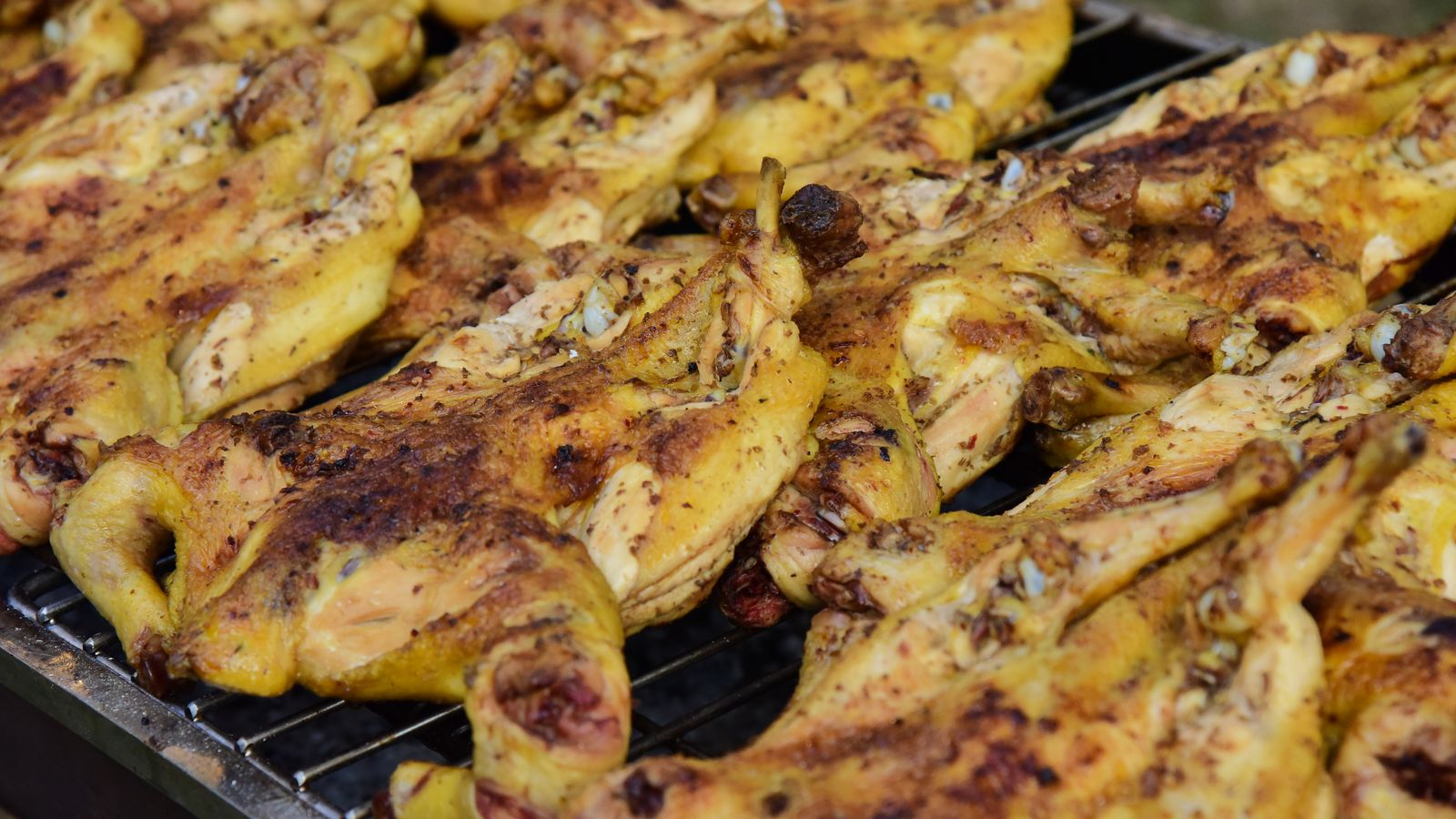
Finish for another 15-25 minutes at that higher heat, flipping once, until the skin is deep golden-brown and the fat has visibly rendered out.
Method 2: One-Temp (Simplest, Nearly as Good)
Set the smoker to 300-325°F (149-163°C) from the start and leave it there.
Smoke for 45 to 60 minutes total, flipping the wings once around the halfway mark for even rendering and color.
The one-temp method sacrifices a little of the deep smoke ring you get from the longer low-temp phase, but it's genuinely close, it's far less hands-on, and it's the better choice on a hot summer day when you don't want to babysit a temperature ramp.
Everyone knows 165°F (74°C) as the USDA safe minimum for chicken, and that number is correct — but it's a floor, not a target, and it's especially misleading for wings. A chicken breast is lean muscle; hit 165°F and pull it immediately or it dries out.
A wing is nearly the opposite: almost all skin, tendon, and connective tissue wrapped around very little meat.
That connective tissue needs to climb well past 165°F to break down and release its fat, exactly the same principle that makes dark meat and whole smoked chicken thighs taste better cooked hotter than the breast does.
Pull your wings at 175-185°F (79-85°C) internal, checked in the thickest part of a drumette without touching bone. Stop treating 165°F as the finish line — for the full breakdown of safe minimums versus where a given cut actually tastes best, check the meat temperature chart.
If you want an extra level of crackle beyond what the smoker alone gives you, finish the wings over direct flame for 2-3 minutes total, flipping every 30-45 seconds so nothing scorches.
This works whether your smoker has a built-in sear zone, you've got a side burner, or you're moving the wings to a two-zone kettle for a final blast over the coals.
It's not required — both smoking methods above get you genuinely crisp skin on their own — but the direct char adds blistering and a little smokehouse-restaurant edge that dry heat alone in an enclosed smoker can't fully replicate.
CEO TIP: Do the flame finish before saucing, not after. Sauce on direct flame means sugar hitting fire, and sugar hitting fire means black, bitter spots in under a minute.
Sauce After Smoking — Never Before
Sauce goes on only after the wings come off the heat, full stop.
Applying it earlier does two things wrong at once: the sugar and moisture in most sauces block the skin from ever crisping in the first place, and any sugar-based sauce sitting on a hot grate for the better part of an hour will scorch and turn bitter long before the chicken is done.
Toss the wings in a bowl with sauce right after pulling, or serve sauce on the side for maximum crunch. For regional inspiration beyond the basics below, the regional BBQ sauce guide covers styles from every corner of the country.
Four Ways to Finish
Buffalo: Frank's RedHot (or any cayenne pepper sauce) whisked with melted butter, roughly equal parts by volume. Classic, sharp, vinegar-forward.
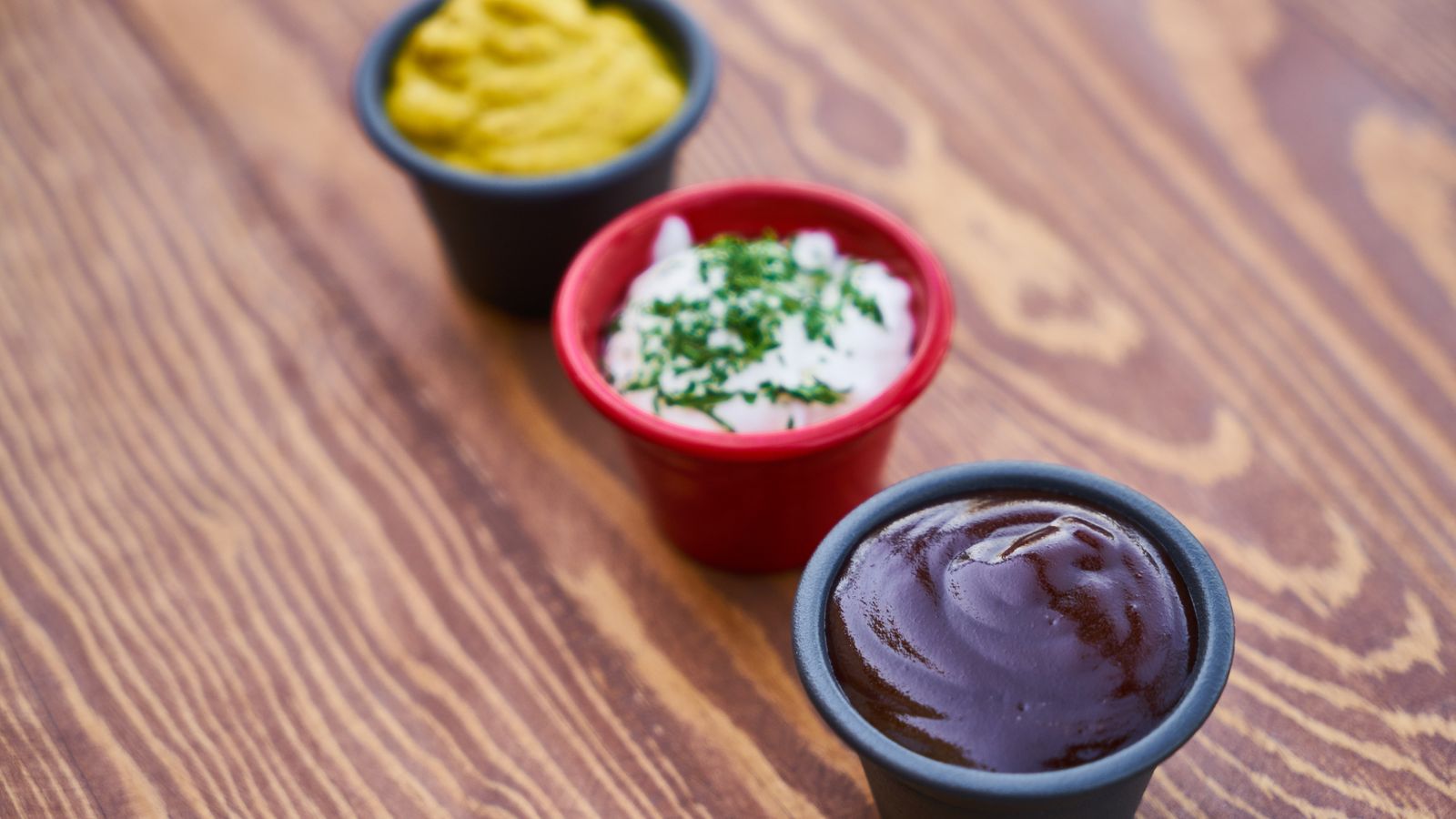
Alabama White: Mayonnaise, apple cider vinegar, coarse black pepper, a little horseradish and lemon juice. Cool and tangy — built for smoked chicken specifically.
Nashville Hot: Cayenne and brown sugar bloomed in hot oil, brushed on generously. Sweet heat that builds instead of front-loading.
Dry: No sauce at all — just a second light dusting of your rub right after the wings come off, while the residual heat helps it bloom. If you haven't settled on a house rub yet, the BBQ dry rub guide will get you there.
The CEO's Bottom Line
Dry brine uncovered on a wire rack, 8-24 hours, with kosher salt and aluminum-free baking powder — never baking soda.
Smoke at 225°F then finish at 375-400°F, or run one temp at 300-325°F for 45-60 minutes — both get crispy skin.
Pull at 175-185°F internal, not 165°F — wings are skin and connective tissue and need the extra render time.
Cherry, apple, or pecan wood only; airflow underneath on a rack matters as much as the smoker temperature.
Sauce only after the wings come off the smoker, and add an optional 2-3 minute direct-flame finish before saucing for extra crackle.
About the Author
Grillmaster John learned live fire the long way — kitchens, backyards and smoke pits around the world — and settled on one rule: taste the meat, not the heat. Every guide on this site gets cooked, temped and tasted before it gets published. Got a cook that beat you? Send it through the contact page and we'll sort it out together. — GJ