The quick version
Kansas City is the everything-meats town — beef, pork, chicken, turkey and sausage on the same menu, smoked over hickory with the sauce arriving at the table, not in the pit. Burnt ends are the real signature, born from cubed brisket-point trim, and every joint worth the drive serves them: Arthur Bryant’s, Joe’s Kansas City, Jack Stack, Q39, LC’s, Gates and Woodyard, all confirmed open as of July 2026. Plan two or three stops in a day, arrive early, and know the popular cuts sell out well before closing on weekends.
| Style | Kansas City — everything-meats, sweet-and-tangy tomato sauce |
|---|---|
| Signature meat | Burnt ends (brisket point, cubed and re-smoked) |
| Wood | Hickory (oak and pecan as backup/blend) |
| Sauce | Thick, molasses-and-tomato based, sweet-tangy, applied at the table not always in the pit |
| Classic sides | Baked beans with burnt end trim, french fries, cheesy corn, coleslaw, white bread |
| Iconic joints | Arthur Bryant's, Joe's Kansas City, Gates Bar-B-Q, LC's Bar-B-Q, Jack Stack Barbecue |
| Price band | $12–20 sandwich plates; $20–35 combo/burnt end plates |
| Best season/events | Year-round smoking city; American Royal World Series of Barbecue (fall) is the marquee event |
Ask a pitmaster in Memphis or Austin to name their rival and Kansas City comes up fast. This is the town that turned brisket trim into a menu item, that built a sauce sweet enough to put on pancakes and smoky enough to still read as barbecue, and that never picked a single meat to be loyal to.
Texas has beef. The Carolinas have pork. Kansas City has all of it — beef, pork, chicken, turkey, sausage, even the occasional lamb rib — smoked low and slow over hickory and finished with a thick, tomato-and-molasses sauce that clings to the meat instead of running off it.
The city's barbecue identity was built by black pitmasters in the early 20th century, spread through more than one hundred smoke joints at its mid-century peak, and survives today in a mix of gas-station legends, strip-mall institutions, and newer chef-driven rooms that treat competition-style technique as a jumping-off point rather than a museum piece.
If you want the full map of American regional bbq styles, Kansas City is the style that borrows from everyone and still tastes like nowhere else.
Kansas City also claims the title of "barbecue capital of the world" on the strength of sheer restaurant density and competition culture, not just history.
The metro hosts the American Royal World Series of Barbecue every fall, one of the largest barbecue competitions on the planet, drawing hundreds of teams and turning the whole region into an informal judging panel for a few weeks every October.
That competitive backbone is part of why even the counter-service joints here cook with real technical rigor — plenty of pitmasters behind the register on a Tuesday afternoon have a competition trophy or two at home.
Credit for Kansas City barbecue usually starts with Henry Perry, a pitmaster who sold slow-smoked meat wrapped in newspaper out of a stand near 19th and Highland in the early 1900s.
Perry's proteges — most famously Charlie Bryant, and later Charlie's brother Arthur Bryant, who took over the operation and gave the joint the name it still carries — built out the template: meat smoked for hours over hickory in brick pits, sold by the pound or piled into a sandwich between two slices of white bread, sauce added at the counter rather than baked in during the cook.
That "sauce on the side, not in the pit" habit is a real technical difference from styles further south.
A Kansas City pit is mostly about the wood and the time — low and slow smoking for 12 to 18 hours depending on the cut — with the sauce functioning as a finishing glaze and a condiment rather than a braising liquid.
The sauce itself is the region's most exported invention: tomato-based, thickened with molasses or brown sugar, spiked with vinegar and a little heat, thick enough to coat a rib without sliding off.
If you're building your own, the regional bbq sauce guide breaks down exactly what separates KC sauce from Carolina vinegar mops or Texas espresso-black glazes.
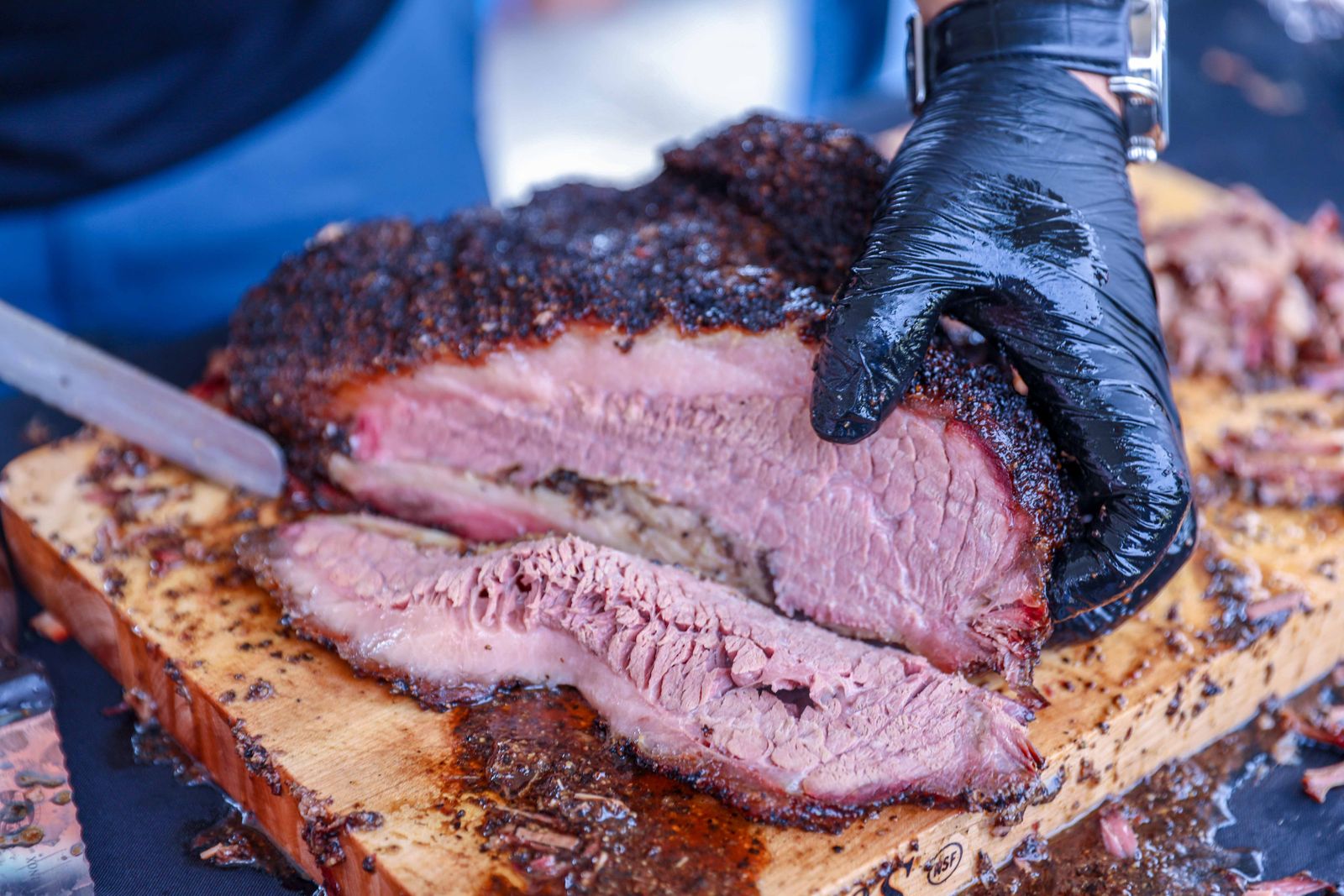
Burnt ends are the city's real signature, and they exist because of thrift, not fashion.
The point end of a smoked brisket is fattier and less presentable than the flat, so pitmasters used to cube up the crusty, over-rendered scraps, toss them back on the smoker or into a pan of sauce, and sell them as a byproduct.
Somewhere along the way customers decided the byproduct was better than the main event — all bark, all rendered fat, deeply caramelized — and burnt ends became a menu line of their own instead of a giveaway.
Arthur Bryant's and Jack Stack both lay legitimate claim to popularizing the modern burnt-ends plate; today you'll find them smoked, cubed, sauced, and served everywhere from gas-station counters to white-tablecloth rooms.
The "everything meats" reputation is earned, too.
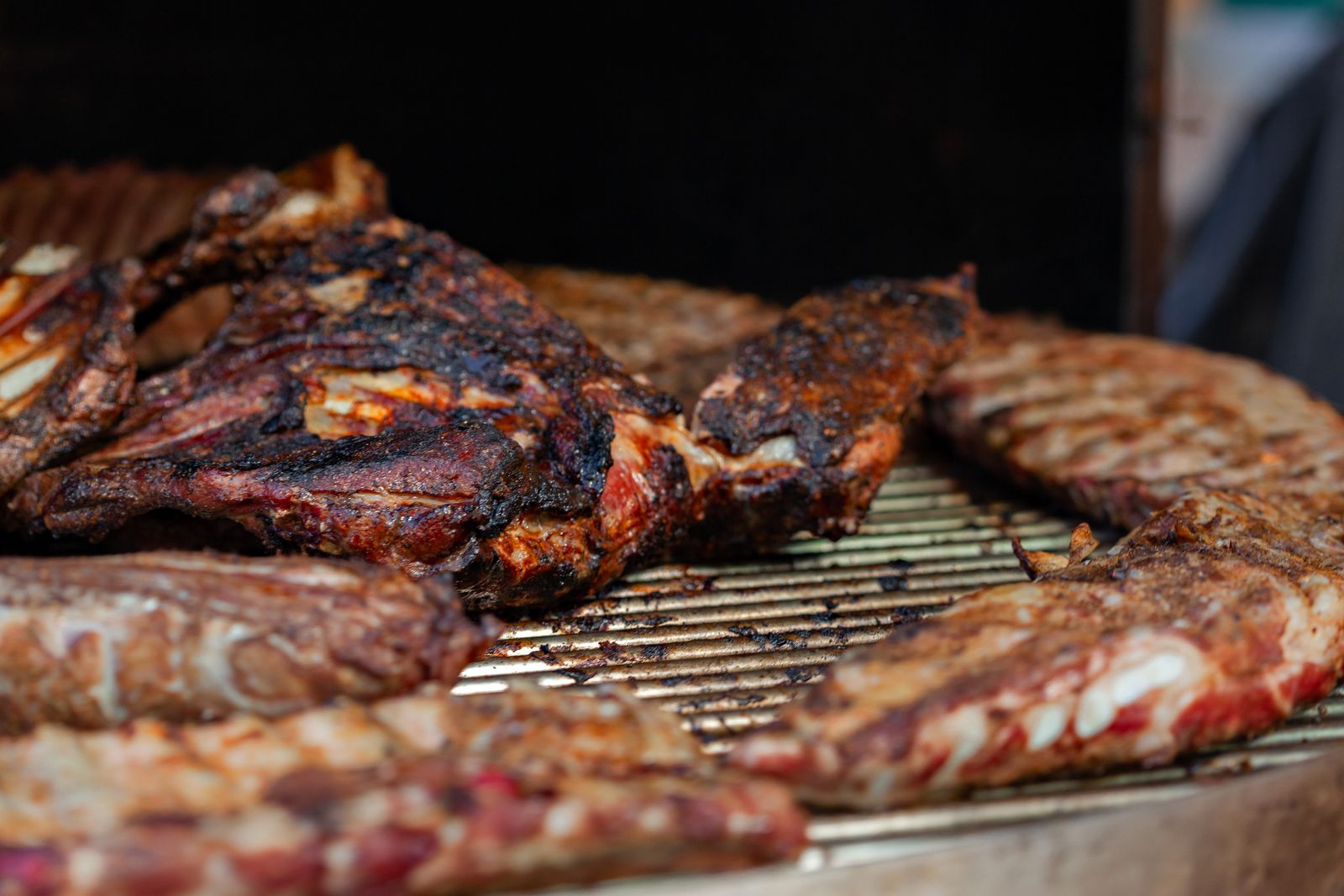
Kansas City joints run full smokers of pork ribs and pulled pork (a nod to the pork butt tradition that runs through the whole Midwest and South), whole smoked chickens and turkey breasts, hot links and Polish sausage, and beef brisket and burnt ends side by side on the same menu — something you rarely see in single-protein towns.
Sides lean sweet and starchy: baked beans studded with burnt-end trim, cheesy corn, fries, coleslaw, and that same white bread Henry Perry started wrapping meat in over a century ago.
Every list like this gets an argument started in a Kansas City parking lot, so treat this as a starting lineup, not the final word. All of the following were confirmed open and operating as of July 2026.
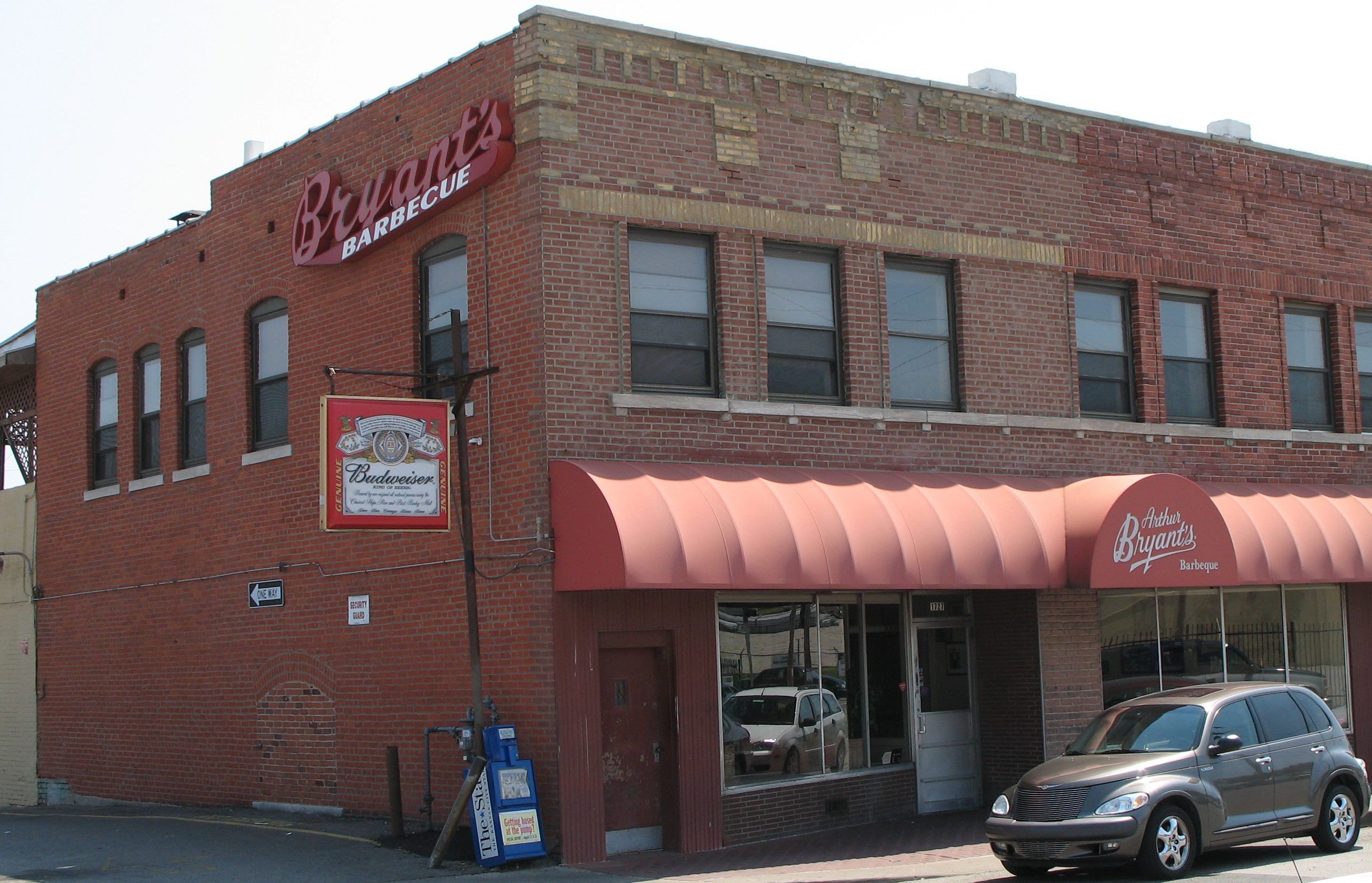
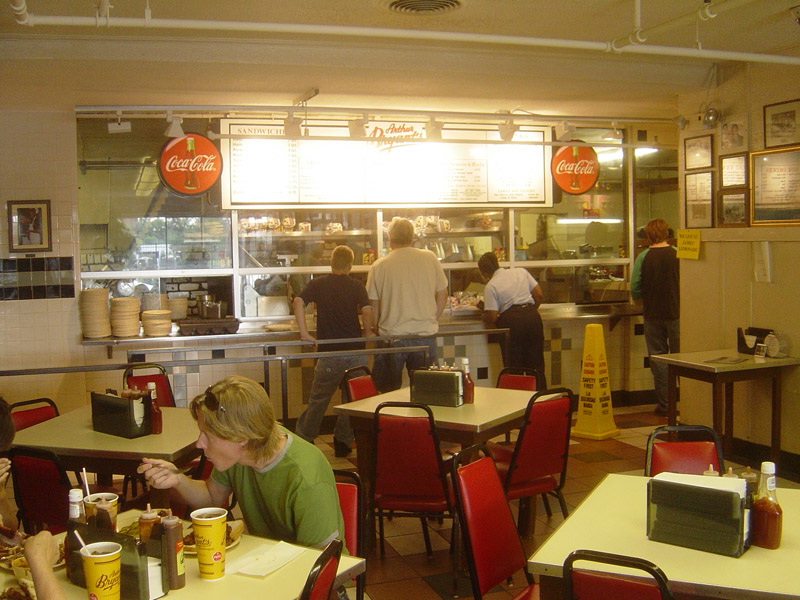
1727 Brooklyn Avenue, in the 18th & Vine Historic Jazz District — the closest thing Kansas City barbecue has to a founding church, tracing its lineage directly back to Henry Perry through Charlie and Arthur Bryant.
Order: the burnt end sandwich, the ribs, and a side of fries doused in the "original" sauce, which is thinner, more peppery, and less sweet than most KC sauces — a useful reminder that "Kansas City style" isn't one single flavor.
Original location at 3002 W 47th Ave (with additional locations in Olathe and Leawood) — famously operating out of a working Shamrock gas station, made internationally known by Anthony Bourdain and the Travel Channel. Order: the Z-Man sandwich (brisket, smoked provolone, two onion rings) and the burnt end plate; expect a line, and expect it to move fast.
101 W 22nd St, Suite 300, in the Freight House District near the Crossroads — the most polished sit-down room on this list, in a converted historic freight depot with a full bar and private dining. Order: the burnt end plate, the hickory-smoked baby back ribs, and the cheesy corn bake, which regulars treat as non-negotiable — watch: a walkthrough of the Freight House room and menu.
1000 W 39th St in Midtown, with additional locations in Overland Park and Lawrence — opened in 2014 by chef Rob Magee and his wife Kelly, bringing competition-circuit technique and a real wine and cocktail list into a barbecue restaurant without losing the smoke. Order: the burnt ends, the St.
Louis ribs, and the smoked chicken, which is a genuine standout in a city that usually treats chicken as an afterthought — watch: how Q39 builds its chef-driven plates.
5800 Blue Parkway — a small, unpretentious counter joint built around a floor-to-ceiling smoker, open since 1986, and the spot Anthony Bourdain called out as some of the best barbecue in the country. Order: the burnt ends, widely considered among the city's best, sauced heavy and served with the bark still crisp underneath — watch: a look at LC's and its Kansas City history.
Multiple locations including 1325 Emanuel Cleaver II Blvd and 3205 Main St — a Kansas City institution since the 1940s, known for the counter greeting ("Hi, may I help you?") shouted the moment you walk in, and for a sauce with more vinegar bite than most of its neighbors.
Order: the burnt end sandwich and the ribs, with sauce on the side so you can judge the vinegar-forward profile against the sweeter competition — watch: a full conversation recorded at Gates BBQ.
3001 Merriam Lane, Kansas City, KS — literally built on a working wood yard that supplied other KC pits since 1913 before the owners started smoking their own meat over it in 2005; outdoor beer garden, bocce court, and one of the last true outdoor brick smokers in the metro.
Order: the burnt-end sandwich and the baby back ribs, praised for a genuinely deep smoke ring from the on-site hardwood — watch: a BBQ-tour visit to the Woodyard pit.
Spend enough time around Kansas City pits and a few habits show up again and again, regardless of whether the joint is a gas station or a wine-list restaurant.
Most of the joints above sell out of popular cuts — burnt ends especially — well before closing on weekends, so arrive early or expect a shortened menu by early evening.
Several (Joe's Kansas City, Gates) close on Sundays or run reduced weekend hours; check the specific location before you drive across town.
Cash and card are both standard at every spot on this list, but counter-service joints move fast and appreciate having your order ready before you reach the register.
Expect to spend somewhere between $12 and $20 for a solid sandwich plate at the counter-service spots, and $20 to $35 for a full burnt-end or combo plate at the sit-down rooms like Jack Stack and Q39.
Parking is easiest at the strip-mall and gas-station locations; the Freight House District and 18th & Vine spots are walkable from downtown but benefit from a little planning around event nights at the nearby T-Mobile Center or Kauffman Center.
If you're visiting specifically for barbecue, plan two or three stops in a day rather than one — portions run generous, and splitting a burnt-end plate between two people at each stop is the only way to reasonably cover more than one or two joints without rolling out of the last one.
If you're building a full KC weekend, treat it as a research trip. Compare Arthur Bryant's original, thinner, more peppery sauce against Gates' vinegar-forward version and Jack Stack's sweeter, more polished glaze back to back — the differences are the whole education.
Bring an appetite for sides, since cheesy corn and burnt-end beans are treated as seriously as the meat itself. And if a joint's brisket or ribs are sold out by mid-afternoon, that's not a bad sign — it's the best evidence you'll get that the smoke that morning was worth showing up for.
Home cooks chasing this style should start with the basics that every joint on this list has mastered long before the sauce ever comes into it: a properly built two-zone fire, patience through the stall on a full brisket, and a rub that supports the smoke instead of fighting it.
Once the low-and-slow fundamentals are solid, a reverse-seared strip or ribeye off the same smoker — see the reverse sear guide — is a good way to put the leftover coals to use, and competition-style ribs are the natural next project once brisket and burnt ends are dialed in; the competition rib guide covers that jump in detail.
This guide is part of the City BBQ Series — every barbecue city we’ve covered, one page →