| Style | Chicago-style: aquarium-smoker rib tips and hot links, mild sauce culture |
|---|---|
| Signature meat | Rib tips and hot links (not full slabs) |
| Wood | Hickory, often burned in a converted glass-front "aquarium" smoker case |
| Sauce | Mild sauce — sweet, tangy, ketchup-and-vinegar base, sometimes called "mumbo sauce" further east |
| Classic sides | Spaghetti, candied yams, mac and cheese, hot water cornbread, greens |
| Iconic joints | Lem's Bar-B-Q, Honey 1 BBQ, Slab, Uncle John's BBQ, Smoque BBQ, Lillie's Q |
| Price band | $10-20 for a rib tip and hot link combo; $15-30 at the craft-scene shops |
| Best season/events | Year-round counter service; summer patio season at the newer craft spots; Taste of Chicago in July |
Ask someone to name a barbecue city and you'll hear Texas, Memphis, Kansas City, the Carolinas. Chicago almost never makes the list, and that's a mistake built on unfamiliarity, not quality.
This city has been running its own barbecue tradition since the Great Migration brought pitmasters up from Mississippi and Arkansas in the early-to-mid 1900s, and it never bothered to explain itself to the rest of the country. It didn't need to.
The South Side has been feeding itself rib tips and hot links out of storefront windows for seventy-plus years, and the craft brewery-adjacent smokehouse scene that's grown up since the 2000s is doing its own thing entirely, borrowing techniques from every other regional BBQ style and running them through a Midwest filter.
Part of why Chicago barbecue stays under the radar is geography.
Every legacy joint worth chasing sits in a South Side or West Side neighborhood, places like Chatham, Bronzeville, South Shore, and Grand Crossing, that most tourism guides never send visitors into, even though these are stable, working residential neighborhoods with some of the best food in the metro area.
The barbecue was never built for out-of-towners. It was built to feed the block, which is part of why it's stayed honest for seven decades: there's no pressure to perform for a passing tourist crowd, only to satisfy the regulars who show up three times a week.
What makes Chicago distinct isn't a sauce recipe or a wood type — it's the equipment and the cut. Walk into an old-school South Side spot and you won't see an offset smoker or a big steel pit out back.
You'll see an aquarium smoker: a squat, glass-fronted steel box sitting right behind the counter, usually visible from the sidewalk, hickory smoke curling out the top vents while the counterman calls out orders. And what's cooking in there is rarely a full slab of ribs.
It's rib tips — the cartilage-heavy cut trimmed off the end of St. Louis-style spare ribs — and hot links, a coarse-ground, cayenne-spiked sausage that snaps when you bite it. Order a "tips and links" combo and you've ordered the most Chicago meal there is.
The aquarium smoker earned its name because it looks exactly like what it sounds like: a glass display case retrofitted to hold heat and hickory smoke instead of fish.
Nobody set out to invent an iconic piece of equipment — cooks needed something compact enough to fit in a storefront, visible enough to sell the product through the window, and durable enough to run all day, every day.
The design stuck because it worked, and because it let a one-window carryout spot become a full smokehouse without needing a parking lot and a trailer pit.
Rib tips became the signature cut for economic reasons that turned into culinary ones. Trimmed off St.
Louis ribs, tips were cheap, and smoking low and slow turned the cartilage tender and rendered the fat, leaving a cut that's chewier and funkier than a rack of ribs but arguably more flavorful per bite.
Combine that with hot links — a snappier, spicier sausage than most Southern styles — and mild sauce, a ketchup-forward, faintly sweet, vinegar-tanged sauce that's nothing like a Kansas City or Carolina sauce, and you get a plate that tastes like nowhere else.
If you've spent any time with our regional BBQ sauce breakdown, mild sauce is its own animal — it leans sweeter and thinner than most Midwest tomato sauces and shows up ladled generously over both meats rather than served on the side.
Layered on top of that legacy tradition is a newer wave.
Since the mid-2000s, a handful of pitmasters — many self-taught competition cooks — opened proper Texas- and Kansas City-style smokehouses around the city: real offset pits, hours-long brisket cooks, dry rubs built the way we cover in our dry rub guide, craft beer on tap.
These shops didn't replace the South Side tradition; they run parallel to it, pulling in a different crowd and proving Chicago can do brisket and pulled pork as well as it does tips and links.
The two scenes rarely overlap on a menu, but they overlap on technique more than people assume.
A pitmaster running an offset smoker on the North Side and a cook running an aquarium smoker on the South Side are both fighting the same battle: keeping airflow steady, managing a fire that wants to spike or die, and reading meat by feel instead of a timer.
The tools look different, but the instincts are identical, which is part of why some of the newer Chicago shops have started cross-pollinating, putting rib tips on a menu next to a Texas-style brisket, or smoking a whole beef short rib the way you'd approach a reverse-seared steak — get a deep, even smoke on it low and slow, then finish it hard and fast for a crust.
It's not traditional either direction, but it's what happens when two barbecue cultures share a city long enough.
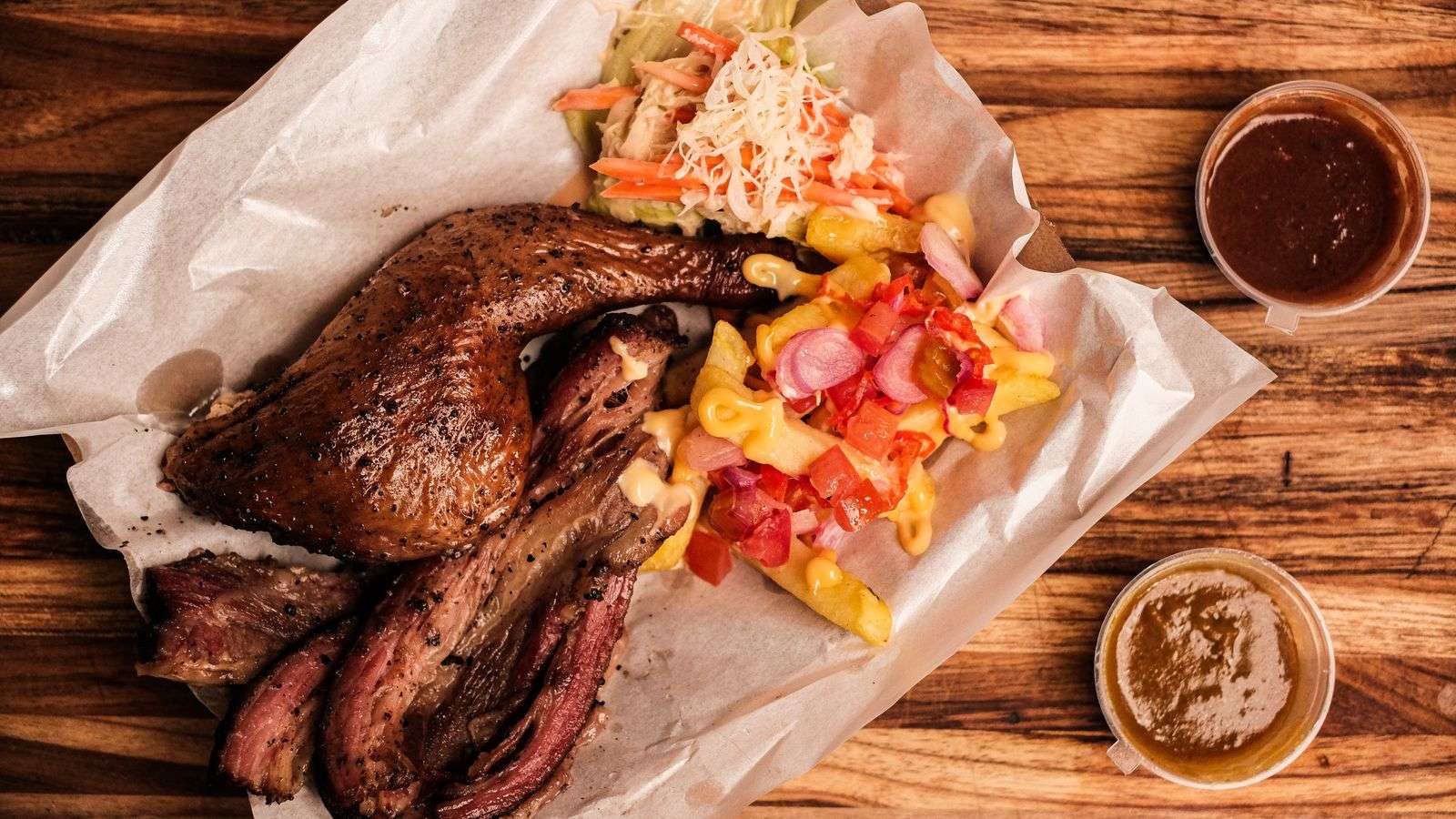
Open since 1954 and named a James Beard America's Classic in 2025, Lem's is the reference point for Chicago rib tips. The tips come charred on the outside, pink and juicy inside, and doused in a thin, vinegar-forward house sauce.
Order the tips and hot links combo, add the hot sauce on the side if you want real heat, and eat it in the car or on the curb — this is a no-frills carryout counter, not a sit-down room.
Expect a line at dinner hour and a short wait even for a phone order — the aquarium smoker only holds so much at once, and Lem's doesn't cut corners on cook time to move the line faster.
A hickory-smoked counter-serve spot in Bronzeville with wood tables and a loyal neighborhood following.
Get the rib tips, but don't sleep on the smoked hot links or the fall-apart ribs — Honey 1 smokes a fuller range than most tips-and-links-only counters, so it's a good stop if you want to sample more of the aquarium-smoker range in one visit. Here’s a watch: Honey 1 BBQ on Check, Please! Chicago.
The dining room is small but real seating, which makes it a good pick if you'd rather eat on-site than in the car.
Run by husband-and-wife team James and Tonya Trice in South Shore, Slab works its aquarium smoker on St. Louis ribs, spicy rib tips, giant smoked turkey legs, and hot links.
The turkey legs are the move if you want something outside the standard combo — they come off smoky and moist in a way turkey rarely does. Slab keeps regular daily hours seven days a week, which makes it one of the more reliable South Side stops if you're planning a visit around a tight schedule.
Take a look: watch: Slab on Chicago’s Best.
A Chatham-area institution for rib tips, hot links, and fall-off-the-bone ribs, with a sauce that leans sweeter than Lem's. Get the combo plate with spaghetti on the side — it's a Chicago BBQ side dish that confuses out-of-towners and delights everyone who grew up on it.
This is a Chatham fixture with a loyal following, and it's a useful stop for comparing sauce styles directly against Lem's a few miles away — the two shops sit close enough that you can taste both in one afternoon. See it for yourself: watch: Uncle John’s ribs on Chicago’s Best.
The flagship of Chicago's craft BBQ wave, run by five friends who took Texas and KC-style barbecue seriously enough to build a genuine offset-pit program on the North Side. The brisket is the draw — smoked long enough to develop a real bark and a defined smoke ring — and the burnt ends and St.
Louis ribs back it up. They've since added a patio and a liquor license, so this is one of the rare Chicago BBQ stops where you can sit down with a beer. Weekend waits can run long; if you can eat on a weekday, do it.
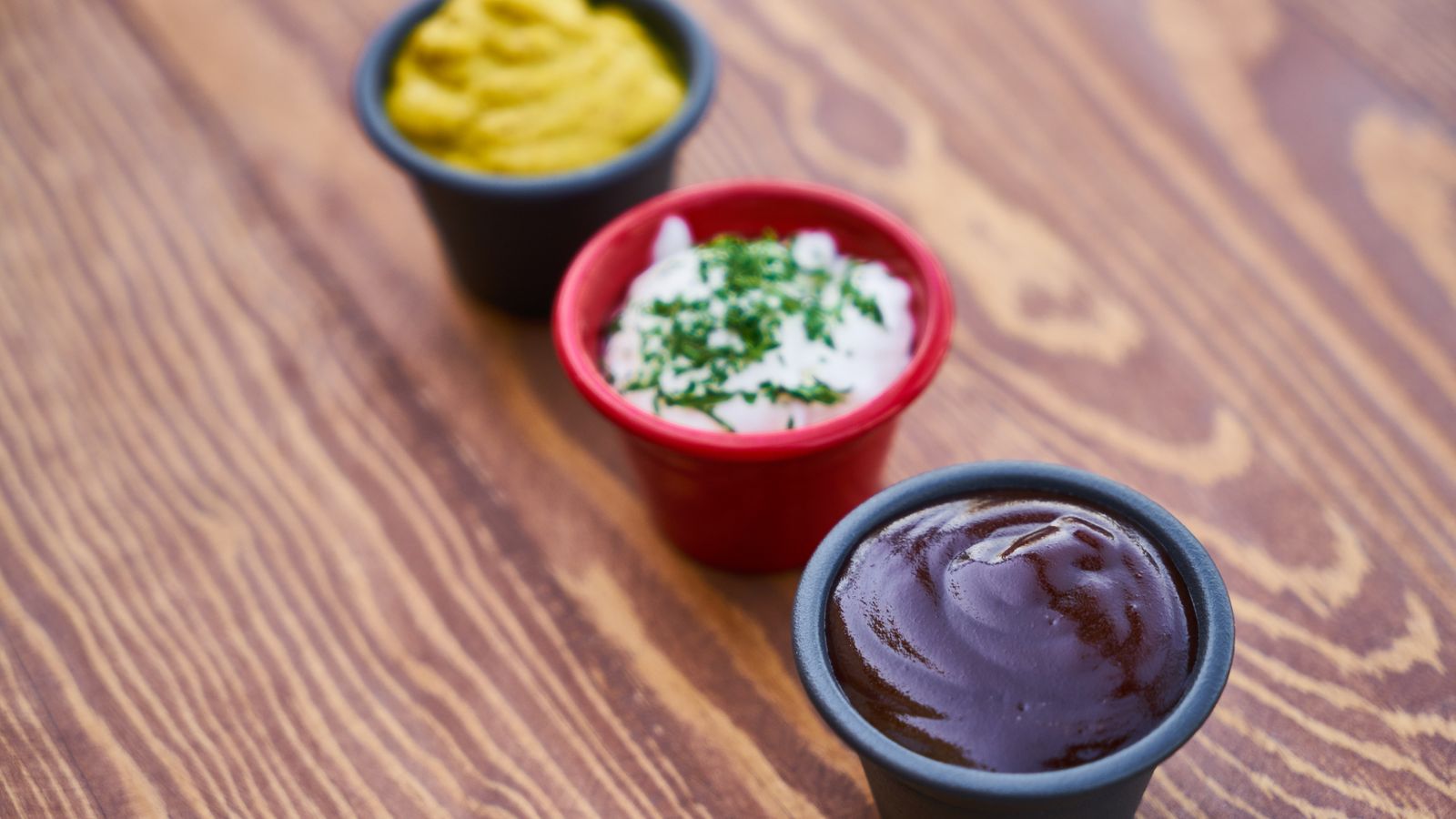
Chef-owner Charlie McKenna's shop moved from its original Wicker Park home into District Brew Yards, a sprawling self-pour beer garden in the West Loop.
The smoked tri-tip sandwich and the pimento-cheese-stuffed sausage links are the signature plates — proof that Chicago's craft scene borrows from Carolina and Texas traditions but plates it its own way.
The self-pour beer wall at District Brew Yards means you can pair a smoked plate with a flight of local beer without waiting on table service, which fits the casual, graze-and-go feel of the space. For background on the pitmaster: watch: an exclusive interview with Charlie McKenna.
Most of the historic South Side spots — Lem's, Honey 1, Slab, Uncle John's — are carryout counters, not sit-down restaurants. Bring cash as a backup even where cards are accepted, expect a wait during dinner rush, and don't expect much seating; this food is built to travel.
Parking is usually street parking rather than a dedicated lot, so budget a few extra minutes on a busy night. The craft-scene shops like Smoque and Lillie's Q run more like conventional restaurants, with full seating, beer, and longer hours on weekends.
Timing matters more here than at a typical restaurant. Aquarium smokers are loaded in batches through the day, so showing up right at opening can mean a limited selection while the first batch finishes, and showing up late can mean the popular cuts, tips especially, are sold out.
Early-to-mid afternoon is usually the safest window at the legacy counters. None of these South Side spots take reservations, and most don't have a real waiting area, so plan to wait outside or in your car during a rush.
If you're building a full weekend around Chicago BBQ, pair a South Side counter lunch with a sit-down dinner at one of the craft spots to see both traditions in one trip.
And if you're cooking your own version at home afterward, start with the fundamentals: get your brisket technique and low-and-slow basics locked down before you try to chase an aquarium-smoker rib tip — the cut is unforgiving if your fire management isn't already solid.
Check your temperature targets before you pull anything off the heat, and if ribs are more your speed than tips, our competition rib guide will get you most of the way to a Chicago-adjacent plate at home.
This guide is part of the City BBQ Series — every barbecue city we’ve covered, one page →