| Style | North Alabama: white sauce on smoked chicken, plus vinegar-forward pulled pork; Birmingham blends Alabama, Carolina, and Memphis influences |
|---|---|
| Signature meat | Smoked whole chicken, pulled pork shoulder, pork ribs |
| Wood | Hickory, with some oak and pecan blends around Birmingham |
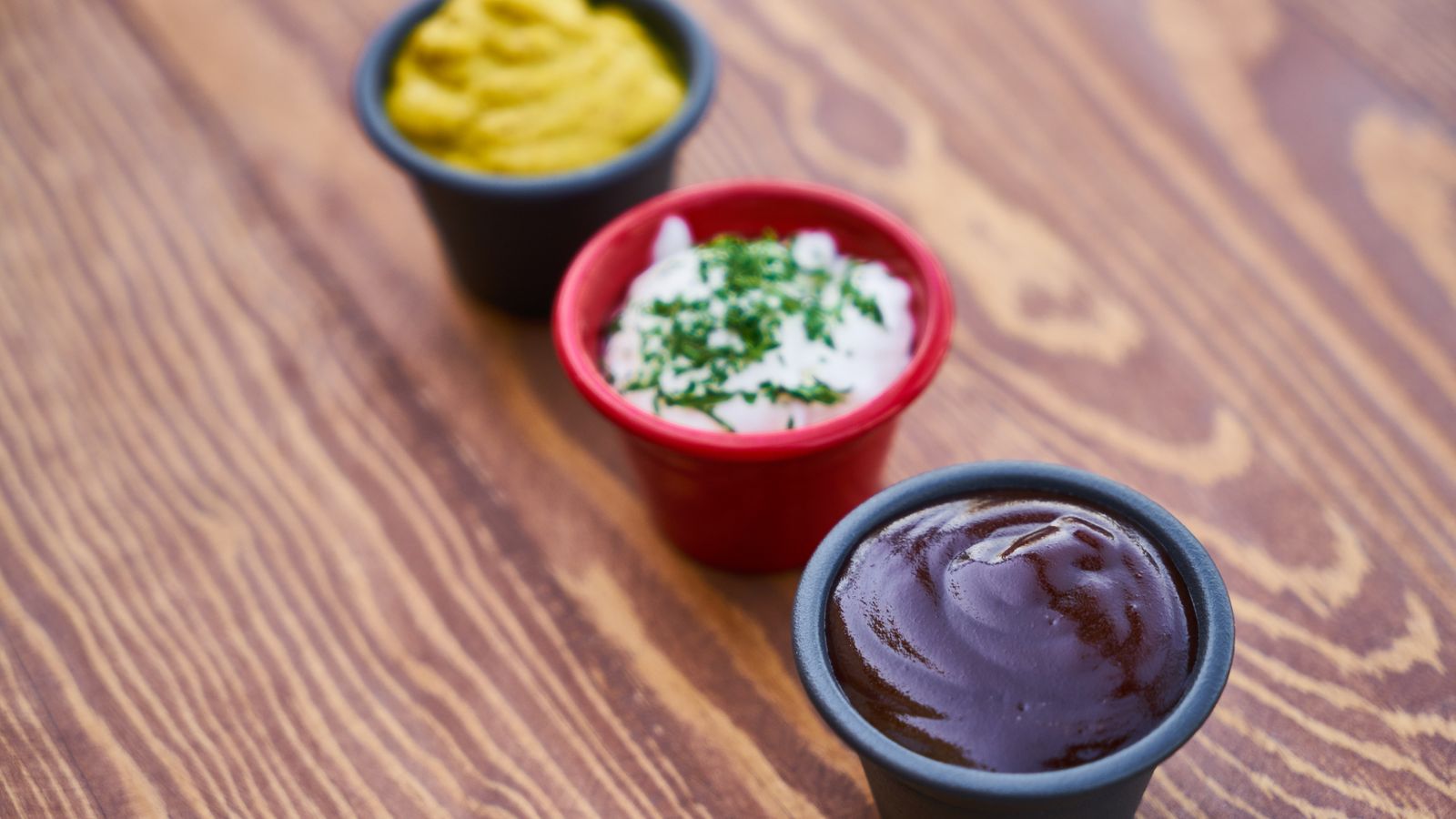
| Sauce | Alabama white sauce (mayonnaise, vinegar, black pepper) on chicken; thin, peppery red and vinegar sauces on pork |
| Classic sides | Bama-style slaw (some dressed in white sauce), baked beans, potato salad, cheese biscuits (Birmingham), fried green tomatoes |
| Iconic joints | Big Bob Gibson Bar-B-Q, Golden Rule Bar-B-Q, Dreamland Bar-B-Que, Saw's BBQ, Demetri's BBQ |
| Price band | $8–$22 per plate; whole slabs and family packs run $25–$45 |
| Best season/events | Sizzle & Smoke cook-off (late September, Decatur); Decatur BBQ Fest (Oakhurst); Southbound Food Festival (Birmingham, spring); best patio weather March–May and September–November |
Most of the country thinks of barbecue sauce as red, sweet, and tomato-based. Drive into Decatur, Alabama, and you'll find out that's only half the story.
In 1925, a man named Bob Gibson dug a pit in his backyard, built a table out of planks nailed to a tree, and started smoking whole chickens over hickory coals.
Vinegar sauce worked fine on his pork, but chicken needed something that would cut the smoke and keep the meat from drying out over hours on the pit. So Gibson mixed mayonnaise with apple cider vinegar, black pepper, and a little lemon.
He dunked the whole bird straight from the smoker into a vat of it. Alabama white sauce was born, and it never left.
That single recipe is the reason this corner of the state deserves its own guide. This isn't a satellite of Memphis or a cousin of the Carolinas — Decatur's white sauce is a genuinely regional invention, and it changed how a big stretch of the South eats smoked chicken.
From there we'll swing south to Birmingham, where a much bigger, more varied barbecue scene has grown up around old-guard pits, Carolina-leaning newcomers, and a food culture that now gets national attention.
For the fundamentals behind any of this — building a fire, holding smoke, picking wood — our two-zone fire setup guide and low and slow smoking guide cover the same principles these pitmasters use every day.
What makes North Alabama worth a dedicated trip, rather than a footnote in a bigger Southern barbecue tour, is how self-contained the story is.
You can start at the exact spot the sauce was invented, taste it in its original form, then drive an hour south and watch an entire city build its own layered barbecue identity on top of that same regional DNA.
Few American food traditions let you trace cause and effect that directly — one backyard pit in 1925, and a hundred years later a metro area with more barbecue restaurants per capita than most of the South.
Gibson's backyard operation in Decatur grew into a full restaurant, and the white sauce process he worked out is still followed closely today: chickens are split, seasoned, and cooked on the pit at around 350°F for roughly three and a half hours, then dipped whole into the sauce right off the coals.
The result is chicken that's smoky on the outside, moist inside, and tangy rather than sweet — a completely different eating experience from a rack of ribs slicked in ketchup-based sauce.
Big Bob Gibson Bar-B-Q has gone on to win multiple Memphis in May World Championships and an American Royal International Invitational title, which is a strange kind of validation for a sauce that started as an improvised fix for dry chicken.
White sauce has since spread well past Decatur — you'll find it drizzled on chicken, tossed into slaw, and even used as a wing sauce as far as north Georgia and middle Tennessee. But Decatur is still the reference point, the place people drive to when they want to taste the original rather than a regional adaptation.
It's worth being precise about why the sauce works, because it's easy to dismiss a mayonnaise-based barbecue sauce as a novelty.
Mayonnaise is mostly oil and egg, which means it clings to hot, crisp chicken skin far better than a thin vinegar mop would, while the vinegar and black pepper cut through that richness and keep the whole thing from tasting heavy.
It's a genuinely well-engineered sauce for the problem it was built to solve: keeping smoked chicken moist without masking the smoke flavor underneath.
That's a different design goal than a Kansas City sauce, which is built to caramelize and coat ribs in sweetness, or a thin Carolina vinegar sauce, which is built to season pork shoulder that's already rendered its own fat.
Alabama white sauce isn't a variation on any of those — it solves a problem none of them were solving.
White sauce gets the headlines, but North Alabama pit masters didn't neglect pork.
Pulled pork shoulder here tends to run closer to an Eastern Carolina profile — thin, vinegar-and-pepper sauce, chopped or pulled meat, no heavy tomato sweetness — a legacy of the same trial-and-error that produced the white sauce in the first place.
If you want to understand why regional sauce traditions diverged the way they did across the South, our regional BBQ sauce guide and American regional BBQ styles guide map out how Alabama fits next to Texas, Kansas City, Memphis, and the Carolinas.
Birmingham's barbecue scene runs deeper than most visitors expect. Golden Rule Bar-B-Q, founded in Irondale in 1891, is the oldest continuously operating restaurant in the state — older than the automobile in most American driveways.
It survived a fire in the early 1990s and changed hands in 2023, but the pit-smoked pork and the sauce recipe carried through.
Dreamland Bar-B-Que, which started in Tuscaloosa in 1958, expanded into Birmingham and built a national reputation on ribs alone — for decades the story was that ribs were the only thing on the menu, and the brand still leans on that reputation even though the offerings have grown.
More recently, Saw's BBQ brought a Carolina-inflected, whole-hog approach into Homewood starting in the early 2010s and grew from a single counter into a small regional chain covering several Birmingham-area neighborhoods, while Demetri's BBQ has quietly run a Greek-owned barbecue counter in the same part of town for decades — barbecue plates and Greek-influenced sides served out of the same kitchen since before "fusion" was a marketing word.
Layer in Jim 'N Nick's, which started on Clairmont Avenue in 1985 and turned cheese biscuits into a genuine regional obsession before growing into a multi-state chain, and you get a city with real barbecue depth rather than one signature dish standing in for the whole town.
Birmingham's food press has taken notice too — national outlets have named the city one of the country's stronger dining destinations in recent years, and barbecue is a consistent part of that case.
Two locations in Decatur (6th Ave SE and Danville Rd SW), both still turning out the original white-sauce chicken. Order the whole or half chicken dipped in white sauce, and get the pulled pork sandwich on the side to taste the vinegar-sauce contrast.
Ask for extra white sauce on the side — it doubles as a dip for the fries. This is the pilgrimage stop for anyone researching the style's origin, and both locations run the same menu and same recipe, so pick whichever is closer to your route through town.
Alabama's oldest continuously operating restaurant, running since 1891 and still slow-smoking over hickory. Order a chopped pork sandwich with the tangy red sauce, and don't skip the stew if it's on the menu — it's an old-school Alabama BBQ-joint side that's disappearing elsewhere.
The restaurant leans into its history without turning into a museum piece; it's still a working lunch counter for the Irondale area, not a tourist stop dressed up as one, and if you want to see the Big Pig sandwich challenge that's built a following of its own, watch: a run at Golden Rule's Big Pig challenge.
Dreamland built its name on one thing: ribs, dipped and basted in a vinegar-and-tomato sauce with a bit of heat, no other meats needed to make the point (though the menu has expanded over the years).
Order the ribs by the slab, sauce on the side if you want to control how much goes on, and a loaf of white bread to soak up the rest — that combination is close to what founder John Bishop served when he opened the original Tuscaloosa location in 1958.
Whole-hog, Carolina-style pulled pork with a white sauce built for pork rather than chicken — a good way to taste how the region's signature sauce adapts to a different meat.
Order the pulled pork sandwich with white sauce and a side of mac and cheese, or the smoked wings if you want to see white sauce doing double duty as a wing sauce rather than a chicken dip; a stop here even made a watch: Saw's BBQ on the Grilla Grills BBQ Wars Tour.
A Birmingham institution with a Greek twist — think barbecue plates alongside Greek-influenced sides, open since the early morning for a barbecue breakfast crowd that most cities don't have.
Order the rib tips and ask what's on the daily special board; the kitchen runs specials that don't always make it onto the printed menu, and regulars know to ask — a local reviewer's watch: honest Demetri's BBQ review covers the ribs and the breakfast crowd both.
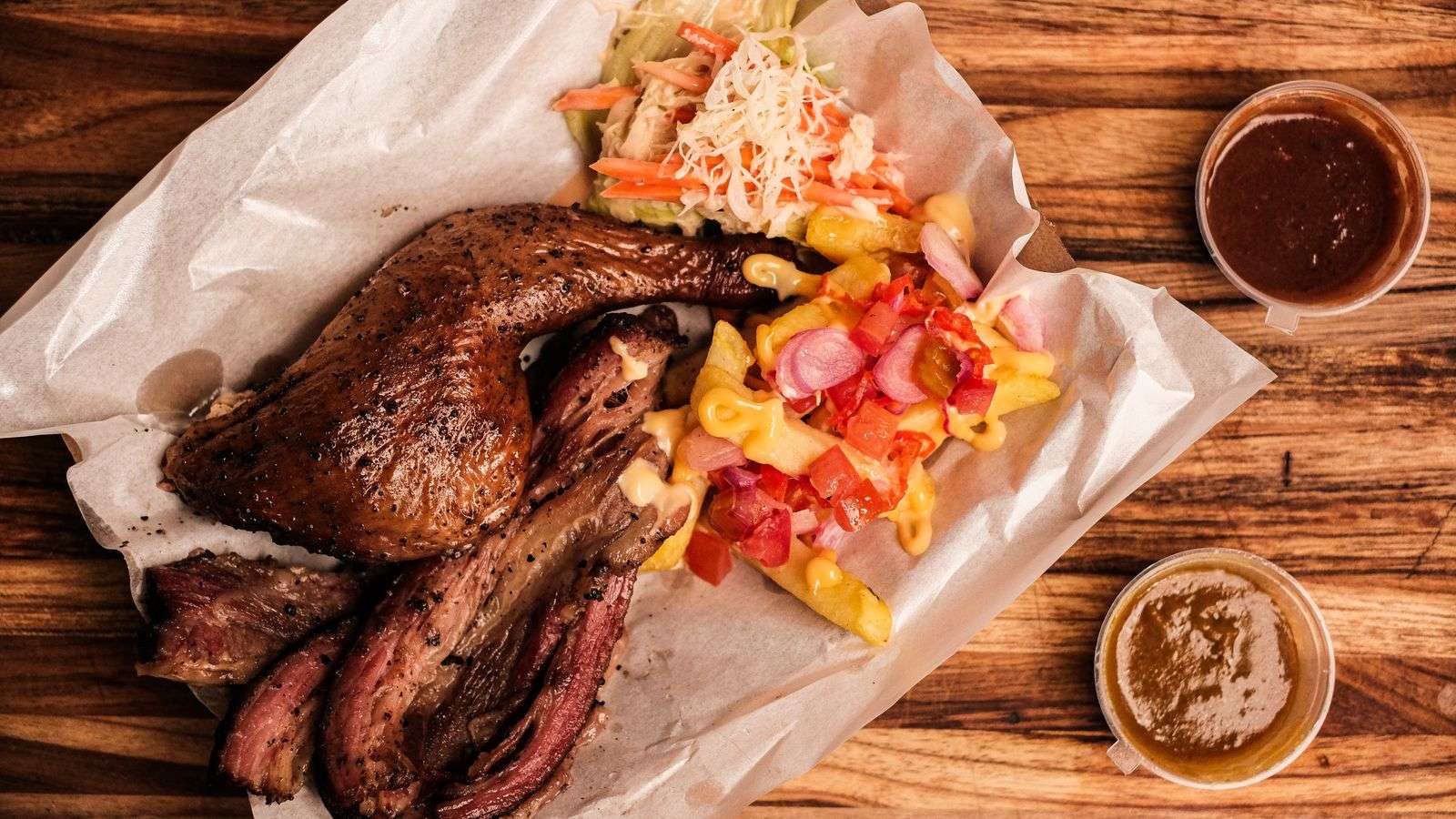
Started in 1985 in a converted pizza parlor on Clairmont Avenue and grew into a respected regional chain without losing the smoked-meat focus. Order the cheese biscuits (they're the reason people show up before they ever taste the barbecue), the smoked spare ribs, and pork with white sauce for a proper regional side-by-side on one plate — see them put to the test in this watch: Jim 'N Nick's ribs and brisket taste test.
Decatur and Birmingham are about an hour and a half apart by car, so a single trip can realistically cover both halves of this guide — smoked chicken and white sauce at the source in Decatur, then a bigger spread of styles in Birmingham.
Most of these restaurants are counter-service or casual sit-down, cash and card both accepted, and none require reservations. Expect a wait at Golden Rule and Dreamland on weekend evenings; Big Bob Gibson gets busy around lunch on weekdays with a local office crowd as much as tourists.
If your trip lines up with late September, Decatur's Sizzle & Smoke cook-off at Ingall's Harbor turns the white-sauce origin story into a full competition weekend, with sanctioned steak and barbecue teams from outside Alabama showing up to test their cooking against the hometown standard.
The Decatur BBQ Fest in Oakhurst runs its own chicken and rib cook-off on a smaller, more local scale.
In Birmingham, the Southbound Food Festival has become a spring showcase for the broader regional food scene, barbecue included, and it's a good way to taste several of these kitchens' cooking side by side without doing a multi-day restaurant crawl.
Outside of festival weekends, weekday lunch is consistently the easiest time to get a table at any of these spots, and it's also when you're most likely to catch chicken and ribs coming straight off the pit rather than out of a holding cabinet.
If you're building a smoker setup at home after tasting the real thing, our how to smoke a brisket guide, ultimate BBQ dry rub guide, and reverse sear steak guide cover technique well beyond chicken and pork, and our competition-style ribs guide breaks down a rib cook step by step if Dreamland's slab has you inspired to try your own.
Either way, don't leave North Alabama without tasting white sauce cold, straight off a hot bird — every other version is an approximation of what Bob Gibson figured out in his backyard a century ago.
This guide is part of the City BBQ Series — every barbecue city we’ve covered, one page →