You need about eight tools to cook great barbecue — everything else is a shelf decoration. Buy in priority order: a fast instant-read thermometer first (2–4 seconds to a true number), then a leave-in probe, a chimney starter, heat-rated gloves, long tongs, a slicing knife, and the consumables. That's roughly $200–400 for a kit that outlasts a decade of cooks; the 20-piece boxed set is mostly filler you'll be replacing within a year.
Every backyard cook eventually stands in the grilling aisle staring at a wall of gadgets, wondering which ones actually matter. Here's the truth after years behind the pit: you need about eight tools, total, to cook great barbecue. Everything else is a shelf decoration.
This isn't a wish list. It's a priority-ordered starter kit built around what actually changes the outcome of a cook — accurate temperature reads, clean fire management, and safe handling. Buy in this order, buy quality over quantity, and skip the rest.
1. An Instant-Read Thermometer: Buy This Before Anything Else
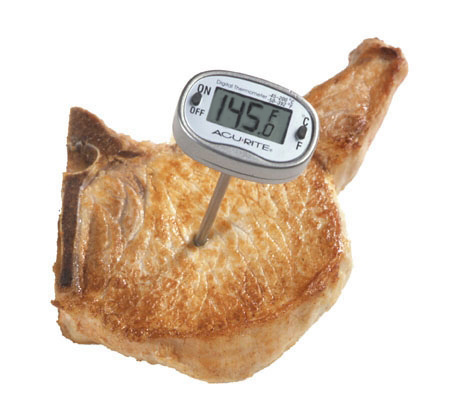
If you own one piece of BBQ gear, make it this one. A fast instant-read thermometer is the single non-negotiable tool in the entire hobby, full stop. It's the difference between guessing and knowing, and it's the tool that keeps you from serving undercooked chicken or slicing into a steak twenty times to check color.
"Fast" is the key word. A good instant-read gives you an accurate temperature in 2-4 seconds.
The cheap $8 dial thermometers from the grocery store take 15-30 seconds and can be off by 5-10 degrees — an eternity when you're pulling a chicken breast off direct heat at 165°F (74°C) before it overcooks in the residual carryover.
Speed means you open the lid once, get your number, and close it again, which matters just as much on a hot grill as it does on a smoker holding steady heat.
Calibrate any instant-read before you trust it: submerge the probe in a glass of ice water for 30 seconds — it should read 32°F (0°C). If it's off by more than 2 degrees, adjust for that offset or replace the unit. Do this check every few months, especially after you've dropped it on concrete.
CEO TIP: Don't trust the pop-up timer in a store-bought turkey. It's set to a conservative temperature and it's often wrong. Pull your own read from the thickest part of the breast and the inner thigh — see our meat temperature chart for exact safe minimums and the "pull early, it carries over" targets pitmasters actually use.
2. A Leave-In Probe Thermometer: Set It and Walk Away
An instant-read tells you the temperature right now. A leave-in probe thermometer tells you the temperature continuously, without you ever lifting the lid. That distinction matters enormously on long cooks — a 12-hour brisket or an 8-hour pork butt isn't something you want to babysit by cracking the lid every 20 minutes, because every peek costs you 15-20 minutes of recovery time and dry, uneven bark.
A leave-in unit has a thin, heat-rated wire probe you insert into the thickest part of the meat before the cook starts, connected to a display or a wireless base that sits on your counter or in your pocket.
Set a high-temp alarm for your target pull temperature — say 203°F (95°C) for a probe-tender brisket flat — and it beeps when you're close.
Some units also monitor pit temperature with a second probe, which is how you catch a dying charcoal fire or a pellet auger jam before it wrecks an overnight cook.
This is the tool that makes long smokes actually enjoyable instead of an anxious vigil. Pair it with a two-zone fire setup and you can genuinely leave the grill for an hour at a time. For a full breakdown of instant-read versus leave-in versus wireless options, our meat thermometer guide covers the tradeoffs in detail.
3. A Chimney Starter: The End of Lighter Fluid
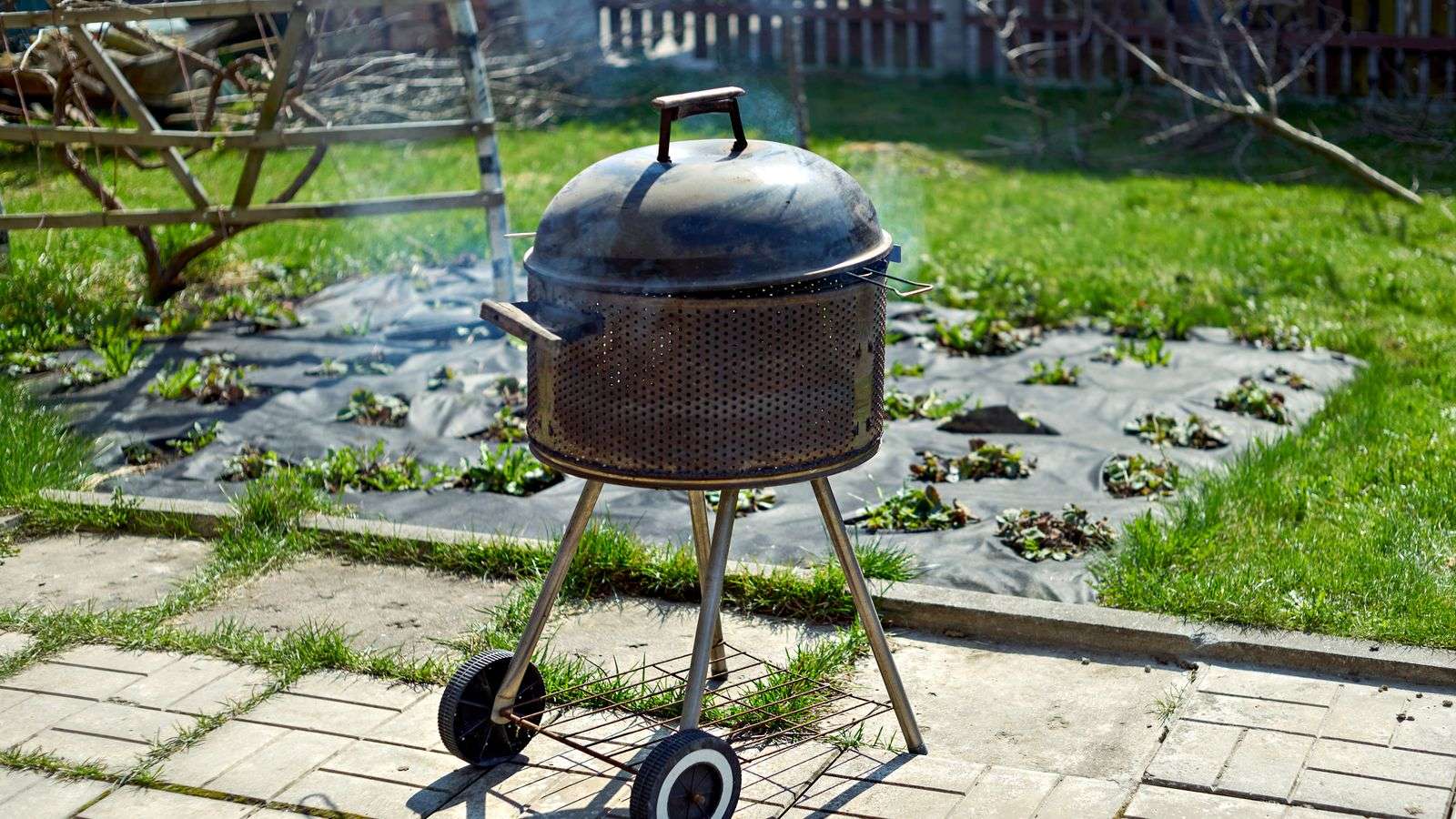
If you're still soaking briquettes in lighter fluid, stop. A chimney starter is a $15-20 metal cylinder that lights charcoal cleanly, evenly, and fast — no petroleum taste transferred to your food, no waiting around for fluid to burn off before you can cook.
Here's the method: stuff two sheets of crumpled newspaper (or a couple of paraffin cubes) under the bottom grate of the chimney, fill the top chamber with charcoal, and light the paper through the bottom vents.
In 15-20 minutes, the coals on top will be glowing and ashed over gray — that's your signal they're ready. Dump them into your grill or smoker and arrange for direct or indirect heat.
Nothing else burns charcoal this evenly.
Compare that to lighter fluid, which chars unevenly and needs 10+ minutes just to burn clean before food touches the grate. A chimney gets you cooking faster and tasting better, every time.
If you're deciding between lump and briquettes for the fill, our lump charcoal vs briquettes breakdown will settle that for your specific cook.
CEO TIP: One chimney of standard briquettes, fully lit, dumped and banked to one side of a kettle with the vents cracked to a quarter, will hold roughly 225-250°F for 60-90 minutes before it needs more fuel. Know that baseline and vent adjustments become second nature — see mastering charcoal vents.
4. Gloves, Tongs, and a Spatula: The Handling Trio
Heat-Resistant Gloves
A real pair of BBQ gloves — silicone-lined cotton or aramid/Kevlar blend, rated to 400-500°F+ — lets you rearrange hot coals, lift a grate, or handle a whole hot brisket without tongs. Cheap oven mitts aren't rated for direct contact with coals or a cast-iron grate and will fail you exactly when you need them most.
Long Tongs
Get a pair of 16-inch stainless tongs with a scalloped (not flat) tip — the extra length keeps your knuckles off the grate and the scalloped edge grips a slippery rack of ribs or a whole chicken without it slipping free. Spring-loaded locking tongs store easier than the kind with no lock.
A Sturdy Metal Spatula
For burgers, fish, and anything that needs a clean flip, a wide, stiff stainless spatula with a beveled front edge does the job a flimsy grill-set spatula can't. The bevel slides under a smash burger's crust or a delicate fish fillet without tearing it apart.
5. Butcher Paper, Foil, a Spray Bottle, Drip Pans, and a Real Knife
These five items round out the kit and each solves a specific, recurring problem on a long cook.
Pink (Peach) Butcher Paper
Unwaxed, food-grade butcher paper is how you push a brisket through the stall without steaming away the bark the way foil does. Wrap once the internal temp hits 160-165°F and the color is set — the paper lets some moisture escape while still speeding the cook back up.
Heavy-Duty Foil
Foil (the "Texas crutch") wraps faster and pushes through the stall even quicker than paper, but it steams the surface and can soften bark. Keep a roll on hand for tenting a resting brisket, lining drip pans, or wrapping ribs during a 3-2-1-style cook.
A Spray Bottle
Fill it with apple cider vinegar, apple juice, or a 50/50 water-and-vinegar mix. Spritz exposed meat every 45-60 minutes after the first few hours of a smoke — it keeps the surface from drying out before bark sets and helps smoke adhere.
Drip Pans
A disposable foil pan under the meat catches rendered fat (crucial for fire safety and cleanup) and, filled with water, adds humidity in an offset or kamado to keep the cook environment from drying out over many hours.
An 8-12 inch slicing knife with a granton (dimpled) edge cuts clean slices of brisket or pork loin without tearing the fibers.
Sharpen or hone it before every big cook — a dull knife crushes meat instead of slicing it, and that's the difference between a picture-perfect brisket slice and a shredded mess.
Pair it with a cutting board big enough to hold a full packer brisket, with a juice groove around the edge so the resting liquid doesn't run off your counter.
Skip the Boxed Set
Those 20-piece stainless BBQ tool sets sold at every hardware store and warehouse club look like a great deal, but they're mostly filler — corn holders, a basting brush that will fall apart in a season, a fork you'll never touch, and tongs that bend under the weight of a rack of ribs. You're paying for a nice-looking case, not for eight things that actually work well.
Buy piece by piece, prioritizing by what changes your results the most:
Priority
Tool
Typical Price
Why It's Ranked Here
1
Instant-read thermometer
$20-100
Non-negotiable; prevents over/undercooking on every single cook
2
Leave-in probe thermometer
$60-150
Essential once you start smoking anything longer than an hour
3
Chimney starter
$15-20
Clean, fast, even charcoal lighting — one-time buy that lasts years
4
Heat-resistant gloves
$15-25
Safety and control when moving coals, grates, or hot meat
5
Long tongs
$10-15
Daily-use handling tool for direct-heat cooking
6
Slicing knife + board
$30-60
The tool that determines how your finished brisket or roast actually looks on the plate
7
Butcher paper, foil, spray bottle, drip pans
$25-30 total
Consumables that solve stall, moisture, and cleanup on every long smoke
8
Sturdy spatula
$15-20
Only critical if you're grilling burgers, fish, or smash-style food often
That's roughly $200-400 for a kit that will outlast a decade of cooks, versus $60-80 for a boxed set you'll be replacing piece by piece within a year anyway. If you're brand new to this and want to see exactly how these tools come together on an actual cook, start with our beginner's grilling walkthrough, and if you haven't settled on a grill yet, read best smoker for beginners before you spend a dime on accessories.
CEO TIP: Once you own the kit, protect it. A five-minute wipe-down after every cook and a proper deep clean each season keeps grates, thermometers, and tools working accurately for years — follow our grill cleaning and maintenance schedule so rust and grease buildup don't quietly throw off your temps.
Buy an instant-read thermometer first — nothing else on this list matters if you can't accurately check doneness.
A leave-in probe is what makes long smokes low-stress; you stop opening the lid and start trusting the numbers.
A chimney starter replaces lighter fluid entirely — cleaner taste, faster lighting, more even coals.
Gloves, tongs, and a spatula cover 95% of the handling you'll ever do; buy them sturdy, not cheap.
Skip the 20-piece boxed set. Eight good tools, bought in priority order, will outperform and outlast any bundle.
About the Author
Grillmaster John learned live fire the long way — kitchens, backyards and smoke pits around the world — and settled on one rule: taste the meat, not the heat. Every guide on this site gets cooked, temped and tasted before it gets published. Got a cook that beat you? Send it through the contact page and we'll sort it out together. — GJ