The quick version
Own bags of both — they're different tools, not rivals. Lump is pure carbonized wood: it lights in 10–15 minutes, burns hotter (700–800°F is reachable in a kamado or wide-open kettle) and leaves little ash, so reach for it when searing or grilling hot and fast. Briquettes burn cooler and steadier, settling into 225–275°F with far less babysitting — the call for the snake method, bullet smokers, and all-day low-and-slow. Whichever you load, rake the ash every few hours and never touch match-light; the fluid taste never fully burns off.
Stand in the charcoal aisle long enough and someone will tell you lump is "more natural" and someone else will tell you briquettes are "for amateurs." Both of them are half right and mostly missing the point. The real question isn't which charcoal is better — it's which one is built for the cook you're doing tonight.
I've burned through pallets of both over the years, and the honest answer is you should own bags of each. Lump and briquettes aren't rivals, they're different tools with different burn curves, and once you understand the chemistry behind that curve, you'll stop guessing and start loading the right fuel for the job.
Lump charcoal is wood — full stop. Hardwood logs and scraps get baked in a low-oxygen kiln until everything except carbon burns off. What's left in the bag is a chunk of pure carbonized wood, irregular in size, sometimes as big as your fist, sometimes gravel-sized dust at the bottom of the bag. There's no filler, no binder, nothing added.
Briquettes start as the same basic material — charred wood, but often mixed with sawdust, coal char, and mineral additives — then get compressed under heat and pressure into that familiar pillow shape, usually with a starch binder (cornstarch is common) holding it together. That manufacturing process is exactly why briquettes behave so differently once they're lit.
This is the part people skip past, and it's the whole ballgame. Lump has no fillers slowing down combustion, so it lights faster — often ready to cook on on in 10 to 15 minutes in a chimney starter versus 15 to 20 for briquettes — and it burns hotter. A hot lump fire in a kettle or kamado can push past 700-800F (370-425C) at the grate if you let it run wide open, which is exactly why kamado cookers are almost always loaded with lump.
Briquettes burn cooler on average, typically settling into a steady 225-275F smoking range once you've got your vents dialed in, and they hold that temperature with far less babysitting. The uniform shape means uniform airflow around each piece and a predictable, even burn rate — which is precisely the point of the binder-and-compression process. You're trading a bit of peak heat for a lot of consistency.
Ash output tells the same story from the other side. Lump burns cleaner and leaves less ash behind — often just a fine dusting — because there's less non-wood material to leave residue. Briquettes leave noticeably more ash, sometimes enough to bury the coals under a gray blanket by hour four of a long cook, which brings us to a problem every pitmaster eventually fights.
CEO TIP: Do a lump-versus-briquette burn test in your own backyard before you trust either one on a big cook. Load a chimney with each, light them the same way, and time how long until gray ash and how long the coals actually last. Every brand burns a little differently — you want the data from your own fuel, not mine.
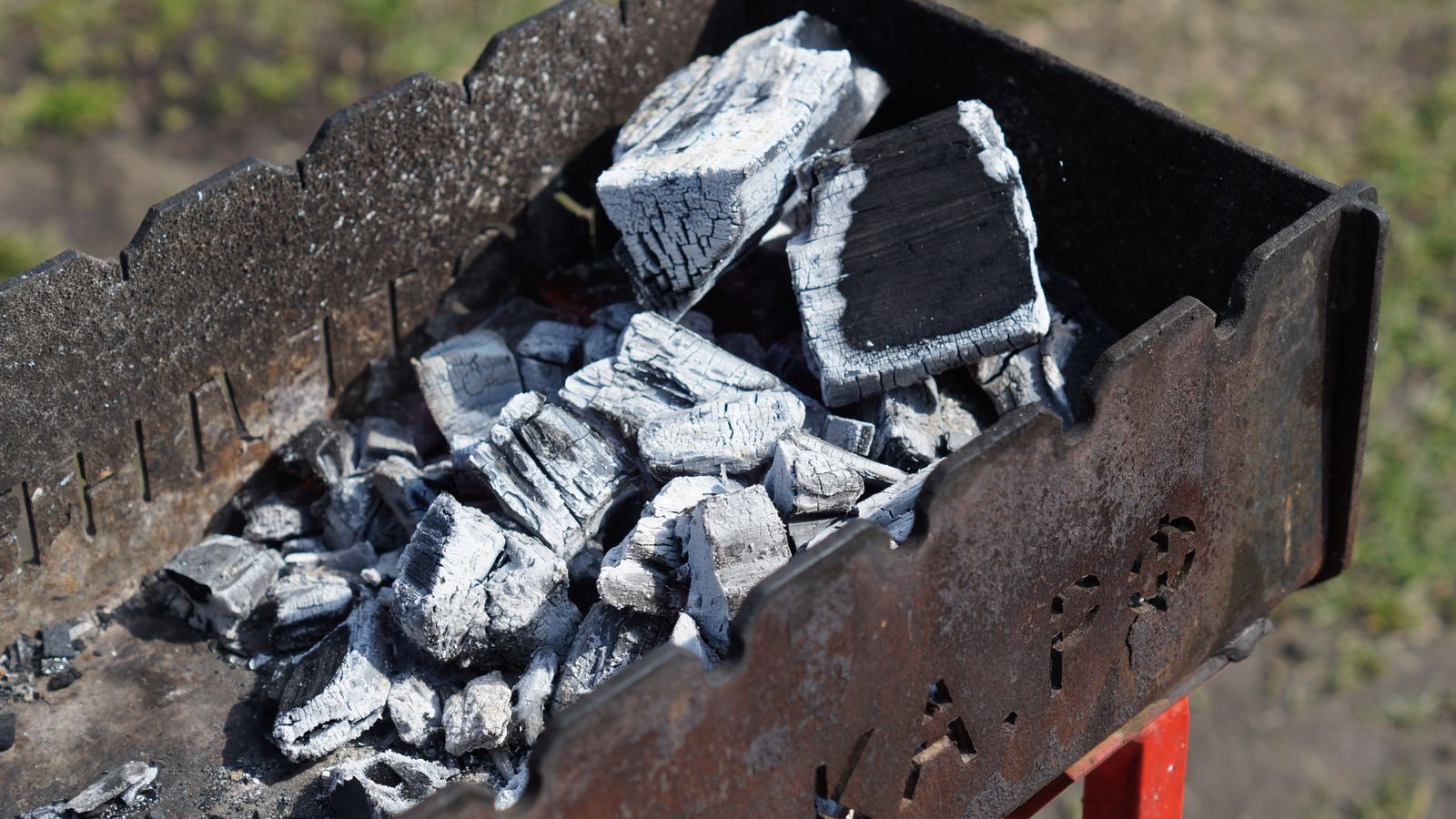
Ash isn't just cleanup — it's insulation your fire doesn't want. A thick layer of ash sitting on top of your coal bed blocks airflow, drops your temperature, and can smother a fire that should still have hours of life left in it. This is the single most common reason a "long burn" briquette load dies at hour 6 instead of hour 10.
On any long cook, plan to rake or stir the ash off the coal bed every few hours. On a kettle running the snake method, this means gently knocking ash down through the charcoal grate rather than letting it pile against the unlit briquettes ahead of the burn line. On an offset or a bullet smoker, that's a job for the ash pan or a shop vac rated for cool coals — never a household vacuum, and never while anything is still warm.
Brand quality matters more here than people admit. Cheap briquettes can carry more filler and inconsistent binder ratios, meaning more ash and less predictable heat. Cheap lump often means more fines and dust at the bottom of the bag along with inconsistent piece sizes that burn unevenly.
Buy a well-regarded, established brand of each — you'll taste and feel the difference in consistency long before you taste any difference in the meat itself.
Lump earns its keep anywhere you want maximum heat, fast.
Searing a steak over a screaming-hot direct fire before a reverse sear, cranking a kamado up to 600F+ for pizza or a quick high-heat spatchcock chicken, or doing a hot-and-fast cook where you need the fire to respond quickly when you crack a vent open — that's lump's home turf.
It also lights faster, which matters when you're doing a quick weeknight direct-grill session and don't want to wait 20 minutes for briquettes to gray up.
Kamado-style cookers (a Big Green Egg or similar) are almost universally loaded with lump for a reason beyond tradition: the thick ceramic walls already hold heat exceptionally well, so you don't need the binder-driven steadiness of briquettes, and lump's hotter ceiling lets these cookers hit the high searing temps they're capable of.
Briquettes are the right call anywhere the goal is hours of unattended, steady heat.
A snake method setup on a kettle is built entirely around briquettes laid in a row so they catch one at a time in sequence — that's a predictable, engineered burn rate, and lump's irregular pieces don't lay in a reliable row or catch as evenly down the line.
Same logic applies to a bullet-style smoker like a Weber Smokey Mountain doing an 8-to-12-hour brisket or pork butt: you want the fire behaving the same way at hour 10 as it did at hour 1, and that's a briquette strength, not a lump one.
Long, low-and-slow sessions where you're managing a target pit temp of 225-250F for half a day reward the steadiness far more than they reward peak heat you'll never use. If your cook plan involves setting your vents once and walking away for a few hours, load briquettes.
| Factor | Lump Charcoal | Briquettes |
|---|---|---|
| Composition | Pure carbonized hardwood, no additives | Charred wood/coal char + starch binder, compressed |
| Time to light | 10-15 min in a chimney | 15-20 min in a chimney |
| Peak heat | 700F+ achievable (kamado, wide-open kettle) | Typically tops out lower, steadier mid-range |
| Burn consistency | Uneven — piece size and shape vary | Very even, engineered for predictable burn rate |
| Ash output | Low, fine dusting | Higher, can bury a coal bed on long cooks |
| Best for | Searing, high-heat kamado cooks, quick direct grilling | Snake method, bullet smokers, long low-and-slow |
| Sparking | Occasional pops, especially resinous pieces | Minimal |
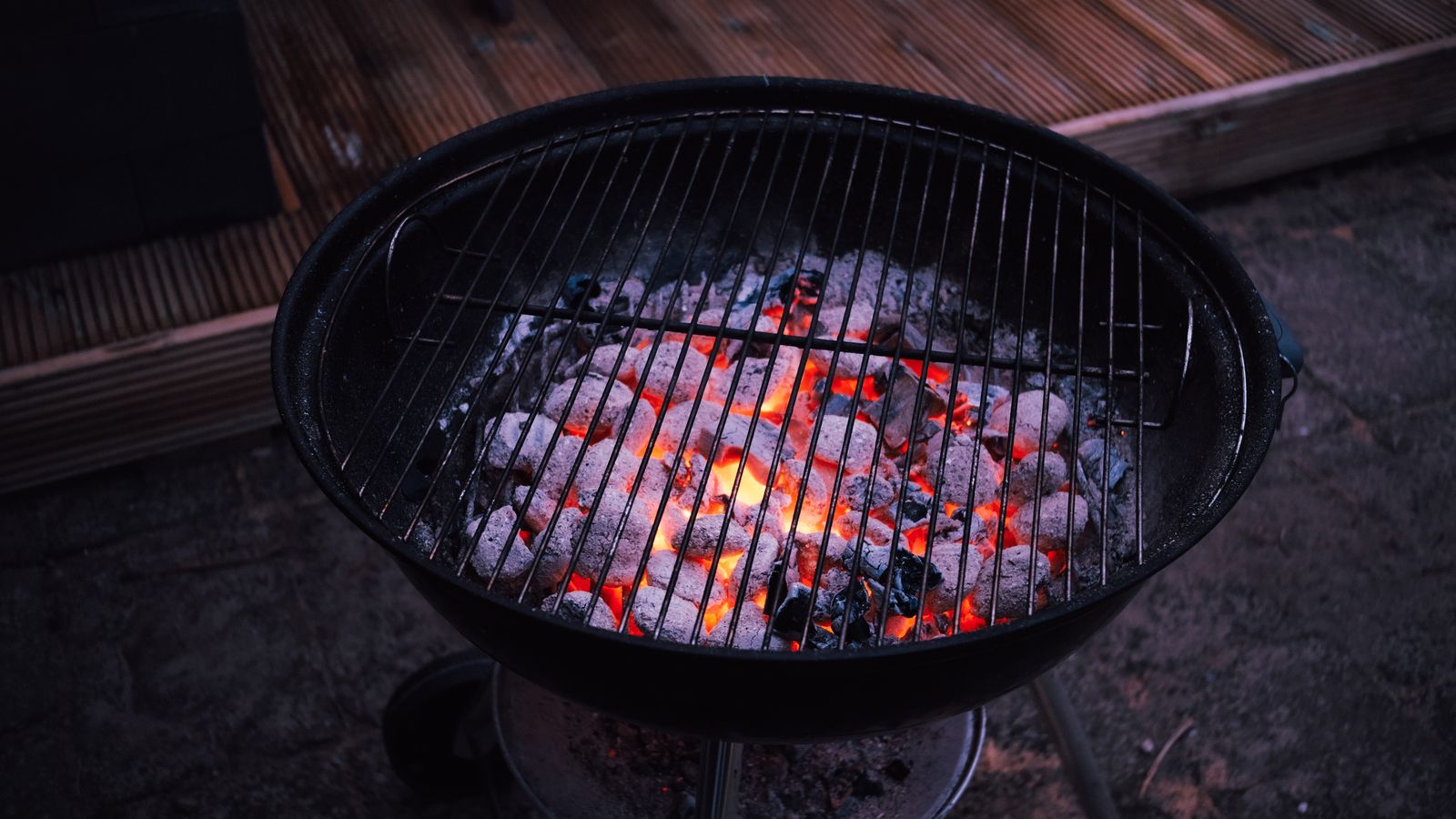
Neither lump nor briquettes should ever be match-light or instant-light charcoal.
That stuff is pre-soaked in a petroleum-based lighter fluid baked right into the briquette, and no amount of "letting it ash over" fully burns that off — you're cooking your food over a fire that's still off-gassing chemical accelerant, and it shows up as a faint fuel taste in delicate proteins like chicken and fish especially.
If you need an easier light, use a chimney starter with newspaper or a couple of paraffin cubes underneath — plain lump or plain briquettes, no fluid, ever hitting the meat.
Yes, and plenty of pitmasters do it deliberately.
A common move on a bullet smoker or offset is to build the base of unlit briquettes for the long, steady burn, then top it with a handful of lit lump to kickstart things fast and add a slightly hotter first hour before the fire settles into its steady briquette rhythm.
It's a legitimate way to get the best of both burn profiles in one load, especially useful heading into an overnight brisket where you want quick startup but all-night stability.
Whichever fuel or combination you land on, remember charcoal only sets the ceiling — actually hitting your target pit temp and your target internal temp is about vent control and knowing your numbers. Check the meat temperature chart before you pull anything off the grate, and don't trust the clock over a thermometer.
Grab the free doneness + wood-pairing cheat sheet →