| Style | Three in one region: Eastern NC whole-hog, vinegar-pepper; Piedmont/Lexington chopped shoulder with ketchup-vinegar "dip"; South Carolina mustard-based ("Carolina Gold") |
|---|---|
| Signature meat | Whole hog (east); pork shoulder (Piedmont); pork shoulder and whole hog (SC Midlands/Lowcountry) |
| Wood | Hickory (east and Piedmont); oak and hickory coals (SC) |
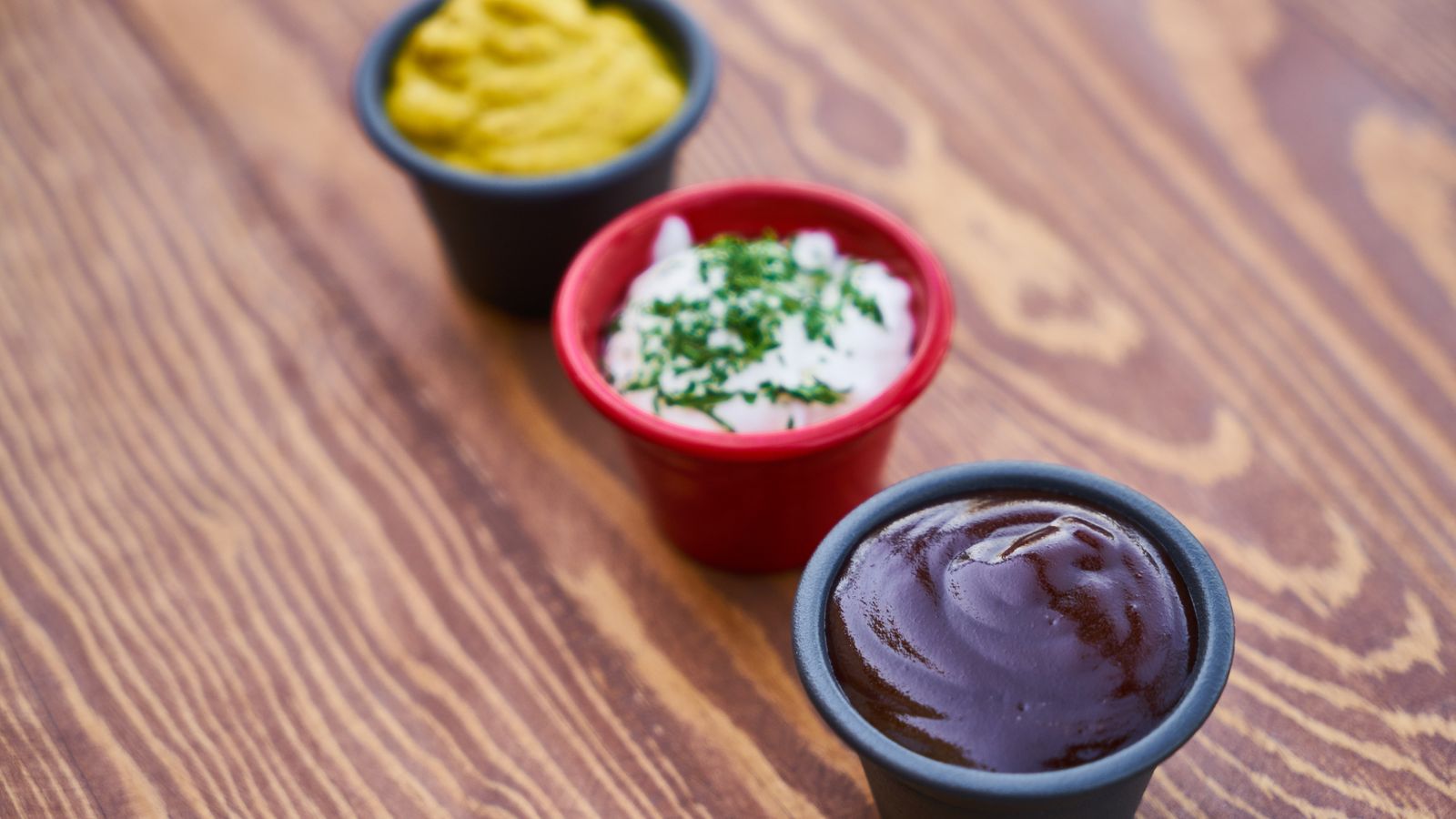
| Sauce | Thin vinegar-pepper (east); light tomato-vinegar "dip" (Lexington); yellow mustard-vinegar (SC) |
| Classic sides | Coleslaw (red slaw in Lexington), hush puppies, cornbread, boiled potatoes, Brunswick stew, collards |
| Iconic joints | Lexington Barbecue, Skylight Inn BBQ, B's Barbecue, Maurice's Piggie Park, Home Team BBQ |
| Price band | $8–$14 for a sandwich or chopped tray; $16–$28 for a full plate |
| Best season/events | Fall through early spring for pit-house comfort; Lexington Barbecue Festival (late October); Columbia Food & Wine Festival (April) |
Drive two hours in the Carolinas and the barbecue on your plate can change completely — the meat, the sauce, even the color of the slaw. Nowhere else in the country packs three distinct, century-old barbecue traditions into a single tank of gas.
Head east from Raleigh and you land in whole-hog, vinegar-and-pepper country. Cut west to the Piedmont around Lexington and the hog becomes a shoulder, the sauce turns pink with ketchup, and the slaw goes red.
Drop south into the Midlands and Lowcountry of South Carolina and the sauce turns yellow — mustard, not tomato, not vinegar alone.
This guide covers all three, with real joints you can drive to this weekend, the techniques their pitmasters actually use, and what to order when you get there. If you want the mechanics behind any of it — building a proper two-zone fire or reading a temperature chart correctly — those guides are linked throughout.
All Carolina barbecue traces back to the same root: whole hogs, cooked slowly over wood coals, pulled or chopped by hand, and dressed with whatever sauce the local settlers brought with them. The differences come down to who settled where, and what they had in the pantry.
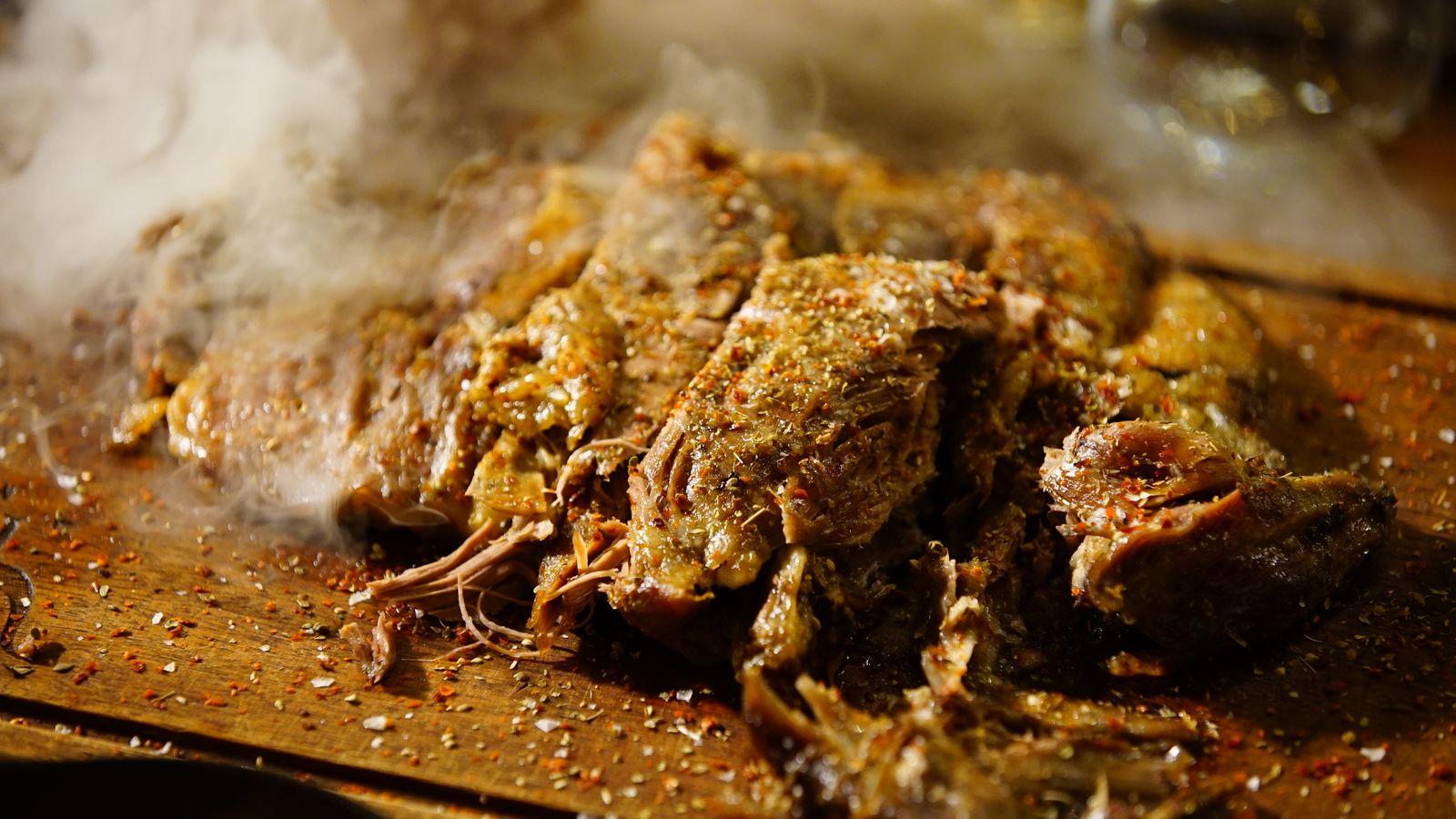
East of Raleigh — Ayden, Goldsboro, Wilson, the flat coastal-plain country — is the purest surviving form of American barbecue. The whole hog goes on the pit, skin and all, and cooks for upward of 12 hours over hickory coals shoveled in by hand. When it's done, the cook chops or "picks" the entire animal together — shoulder, ham, loin, even some skin for crunch — so every bite is a blend of textures.
The sauce is barely a sauce: cider vinegar, crushed red pepper flakes, black pepper, a little salt, sometimes a pinch of sugar. No tomato, no ketchup.
It's a thin, sharp, almost clear liquid whose only job is to cut the richness of the fat and season the meat that's already been smoking for half a day.
This is the sauce a lot of people mean when they say "Carolina sauce," and it pairs with nothing better than a cornmeal hush puppy and tangy coleslaw. For the full breakdown of how this fits against KC, Alabama white, and the rest, see our regional BBQ sauce guide.
Head about 150 miles west to Lexington, North Carolina — the self-declared "Barbecue Capital of the World" — and the hog gets simpler. Piedmont pitmasters cook pork shoulders only, not the whole animal, still over hickory or oak coals in pits, still low and slow.
The payoff is a higher meat-to-fat ratio and a sauce that reflects it: a thin, reddish "dip" built from cider vinegar, ketchup, sugar, and pepper. It's not the thick, cling-to-a-spoon Kansas City glaze — it's thin enough to soak into chopped or sliced pork without drowning it.
The other Lexington signature is red slaw — cabbage dressed in the same dip instead of mayonnaise, which turns it a distinctive pink-red and adds vinegar bite instead of creamy sweetness.
Order a "barbecue plate" here and you'll get chopped or sliced pork, red slaw, hush puppies, and sweet tea, full stop. For technique on rendering shoulder fat correctly whether you're smoking or braising, our pulled pork and pork butt guide covers the internal-temperature targets that matter here.
South Carolina is the only place in the country where yellow mustard BBQ sauce is the default, not a novelty.
Trace it back to German immigrants who settled the Midlands in the 1700s and brought mustard-based condiments with them; over generations it merged with the vinegar-and-pepper tradition already established across the Carolinas to produce "Carolina Gold" — yellow mustard, cider vinegar, brown sugar, and spices, thinner than a Western yellow mustard and built to baste all the way through a long cook rather than glaze at the end.
You'll find all four South Carolina sauce families somewhere in the state — mustard in the Midlands around Columbia, a light tomato-vinegar closer to the coast, thicker tomato-based sauces in the Upstate, and vinegar-pepper near the North Carolina line — but mustard is what defines Columbia and travels with the state's identity nationally.
Charleston and the Lowcountry blend traditions further, often serving multiple house sauces at the same table so you can compare. If you're building your own version at home, our sauce guide has the exact Carolina Gold ratio.
Lexington Barbecue (Lexington, NC) — Founded by Wayne Monk in 1962 and still the benchmark for the entire style. Order the chopped tray with red slaw and hush puppies; ask for "outside brown" if you want the deeply bark-crusted pieces from the edge of the shoulder. Get there before noon on weekends — the line moves fast but it's long.
The Barbecue Center (Lexington, NC) — Open since 1955, still pit-cooking shoulders the same way. Come hungry enough for the banana pudding and a fried-skin sandwich, and know that barbecue chicken only runs Wednesday through Saturday — the same PBS North Carolina Weekend feature above stops here right after Lexington Barbecue, if you want a side-by-side look at both pits before you go.
Speedy's Barbecue (Lexington, NC) — Traces back to a 1930s stand called Tussey's before becoming Speedy's in the early 1960s. Curb service still operates and old-timers will tell you the sliced pork plate here is the most old-school version of the Lexington style left standing (watch: a full walkthrough of the curb-service order).
Skylight Inn BBQ (Ayden, NC) — Whole-hog, hickory-smoked barbecue since 1947, and one of the most influential barbecue restaurants in the country; its pitmasters have trained cooks who now run acclaimed kitchens nationwide.
Order the barbecue with slaw and cornbread — dense, chopped, skin-crisped cornbread baked with pork cracklings, not the sweet Northern kind. Open Monday through Saturday; closed Sunday, and they sell out, so go early.
B's Barbecue (Greenville, NC) — A short drive from Ayden and Goldsboro, this cash-only, general-store-turned-restaurant is one of the last true whole-hog, wood-cooked operations left anywhere.
No sign to speak of, picnic tables, and barbecue that regularly draws national food writers off the interstate. Open Tuesday through Saturday, 9 a.m. until they run out — which is often mid-afternoon (watch: a first-visit review of the walk-up window).
Maurice's Piggie Park (West Columbia & Columbia, SC) — The restaurant most responsible for putting South Carolina's mustard sauce, "Carolina Gold," on the national map. Order a Piggie Park sandwich or a pork plate and ask for extra Gold sauce on the side. The West Columbia flagship near I-26 is the original; there's a second location on Devine Street in Columbia's Forest Acres area (watch: a tour of the West Columbia flagship).
Home Team BBQ (Charleston, SC — downtown, West Ashley, and Sullivan's Island) — A newer-generation Lowcountry smokehouse that runs several South Carolina sauces side by side (mustard, vinegar-pepper, and a tomato-based house sauce) so you can taste the state's full range at one table.
The pulled pork plate with all three sauces on the side is the move for a first visit; the smoked wings are a local favorite alongside it (watch: founder Aaron Siegel walks the pit).
Between these two poles, if you're passing through the Midlands on a weekend, City Limits Barbeque in West Columbia — a newer, James Beard-recognized smokehouse that's only open Saturday and Sunday until it sells out — is worth timing a trip around if your schedule allows (watch: pitmaster Robbie Robinson on the menu).
Spend time around Carolina pits and a few things separate the real operations from the imitators:
The three regions in this guide aren't a single day trip — Lexington to Ayden is close to three hours, and Ayden to Columbia is another three and a half. Plan it as a loop over a long weekend, or pick one leg per trip:
However you route it, the throughline is the same lesson every regional style teaches: barbecue this good isn't about a secret ingredient, it's about time, wood, and a pitmaster willing to babysit a fire for half a day. Bring that patience home with you — whether you're working through a brisket, a rack of ribs, or your own version of a Lexington shoulder — and the technique translates a lot further than the sauce does.
This guide is part of the City BBQ Series — every barbecue city we’ve covered, one page →