| Style | Santa Maria-style open-pit barbecue |
|---|---|
| Signature meat | Whole tri-tip, skewered top block sirloin |
| Wood | Local red oak (coast live oak) coals only |
| Sauce | None on the meat — salt, pepper, garlic salt rub; fresh salsa on the side |
| Classic sides | Pinquito beans, salsa fresca, green salad, garlic French bread |
| Iconic joints | Far Western Tavern, Jocko's Steak House, The Hitching Post, Shaw's Steakhouse & Tavern, The Century Room |
| Price band | $18–$45 per plate |
| Best season/events | Year-round outdoor pits; Santa Maria Valley Elks BBQ fundraisers and Santa Barbara County Fair (July) draw the biggest pits |
Every other regional barbecue style in this country gets defined by what's mopped, dipped, or drizzled on the meat. Santa Maria Valley skipped that argument entirely.
Out here, on the rolling ranchland between the Pacific and the San Rafael Mountains in Santa Barbara County, the whole style rides on three things: a whole tri-tip, a bed of red oak coals, and the restraint to leave it alone. No sauce touches the meat.
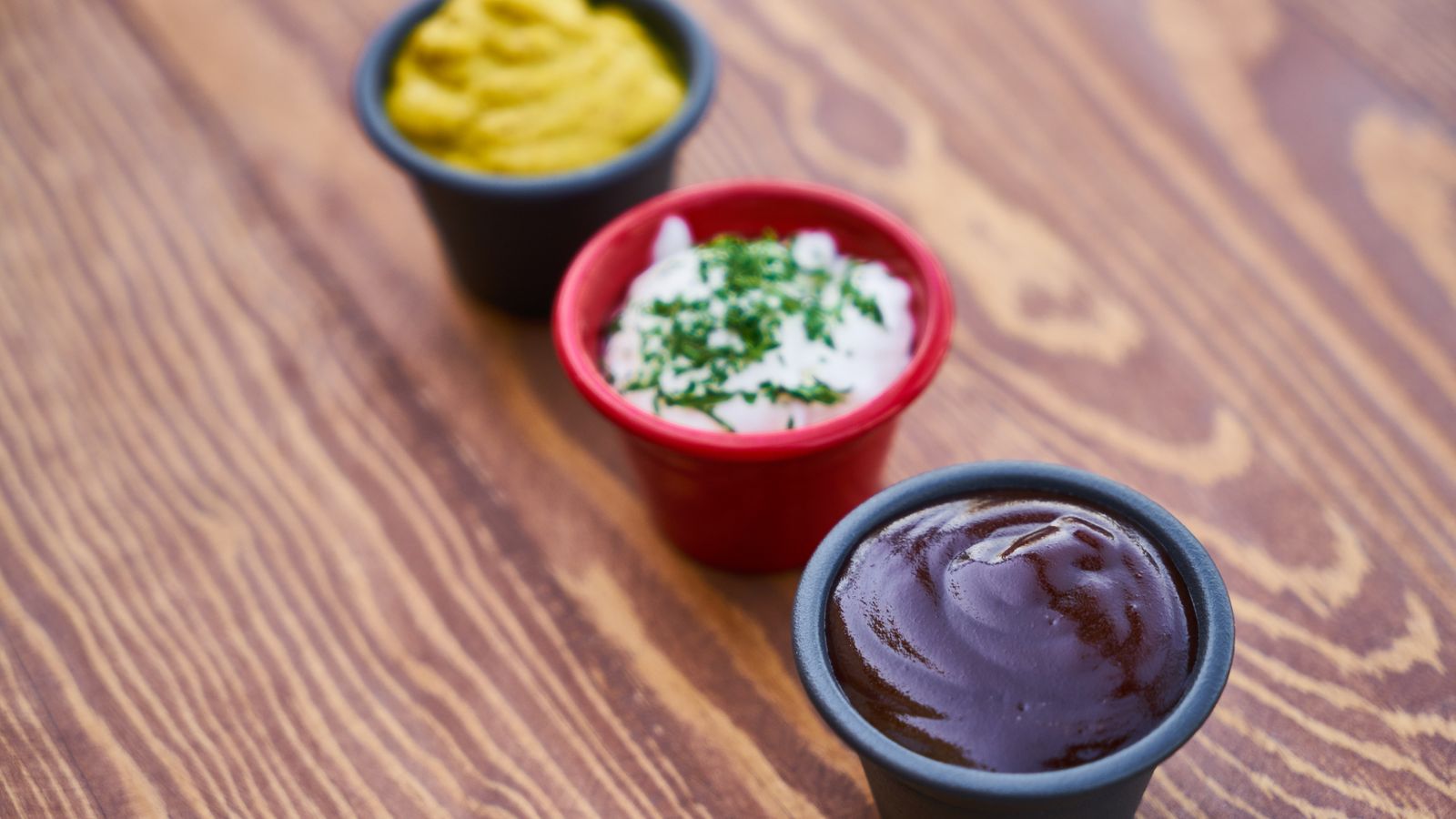
If you want sauce, that's what the fresh salsa is for, and it goes on the side, not the beef.
This isn't a barbecue town that borrowed a technique from somewhere else and put a local spin on it. Santa Maria-style barbecue was invented here, on actual cattle ranches, and it never really left.
If you've read our regional BBQ styles guide, you know Santa Maria is the outlier on that map — no smoker box, no low-and-slow overnight cook, no vinegar or tomato sauce debate.
Just an open steel grate over a pit of glowing red oak, and a cut of beef most of the rest of the country ignored until Santa Maria made it famous.
"Santa Maria Valley" isn't just the city of Santa Maria — it's the whole stretch of agricultural land between the Sierra Madre foothills and the Pacific, and the barbecue tradition is scattered across the towns that share it.
Santa Maria itself is the commercial hub, with Shaw's and the Century Room both a short walk from downtown. Orcutt, just southeast, is a quieter old railroad town that's home to Far Western Tavern. Casmalia, a blink-and-you-miss-it hamlet west of the 101, holds The Hitching Post.
Nipomo, up toward San Luis Obispo County, has Jocko's. None of these stops are more than a 20-minute drive from each other, which makes a full tri-tip crawl over a weekend an easy trip rather than an ambitious one.
Guadalupe, the small farming town west of Santa Maria proper, is historically tied to the tradition too — Far Western Tavern's original home was there before the move to Orcutt — and it's worth a detour for the Rancho-era architecture even though the restaurant itself has relocated.
The story goes back to the Spanish and Mexican rancho era of the mid-1800s, when the Santa Maria Valley was cattle country end to end. Vaqueros working the roundups would skewer beef on green willow sticks and cook it over pits of coals dug into the ground, feeding whole crews at once. That communal, cook-for-a-crowd instinct never faded — it just moved from the roundup to the community hall.
By the early-to-mid 20th century, local ranchers and civic groups — most famously the Santa Maria Elks Lodge — had turned the technique into a fundraising machine.
Standing pit crews would barbecue tri-tip by the hundreds of pounds for weekend benefit dinners, and the plate got standardized through sheer repetition: tri-tip, pinquito beans, salsa, a green salad, and garlic-buttered French bread. That plate is still the template today.
Local pitmaster Ike Simas has been working the pits for the Santa Maria Elks for roughly six decades, which tells you how little the format has drifted.
It's worth noting the beef cut itself is a local invention. Tri-tip is the triangular bottom sirloin sub-primal that most of the country used to grind into hamburger — it wasn't a marketed steak cut anywhere else until a Santa Maria butcher started grilling it whole in the 1950s and it caught on.
If you want the deep technical dive on why the grain runs two directions and why slicing matters this much, read our reverse sear guide for the sister logic on thick-cut beef, then come back for the tri-tip specifics below.
In 2012, the California State Senate made it official and recognized Santa Maria-style barbecue as the state's signature barbecue tradition. It's one of the only regional American styles with a literal government seal of approval.
If tri-tip is the headline, pinquito beans are the local secret most visitors miss. These small, pink-and-cream heirloom beans are grown commercially almost nowhere but the Santa Maria Valley — they came up the coast originally from Mexico and took root in this specific soil and climate.
They're firmer than a pinto, sweeter than a navy bean, and traditionally simmered low and slow with bacon, garlic, ham hock or salt pork, and a spoonful of the same salsa that goes on the tri-tip. A proper Santa Maria plate without pinquitos isn't a Santa Maria plate — it's just grilled beef.
If you're building your own version at home, our regional sauce guide covers the salsa fresca style that ties the whole plate together.
The signature piece of equipment here is the adjustable grate — a steel grill suspended over a fire pit on a chain-and-pulley or hand-crank system, so the pitmaster can raise or lower the whole cooking surface to control heat instead of moving the meat around.
Red oak, and only red oak, gets burned down to coals first; nobody's cooking over open flame or briquettes.
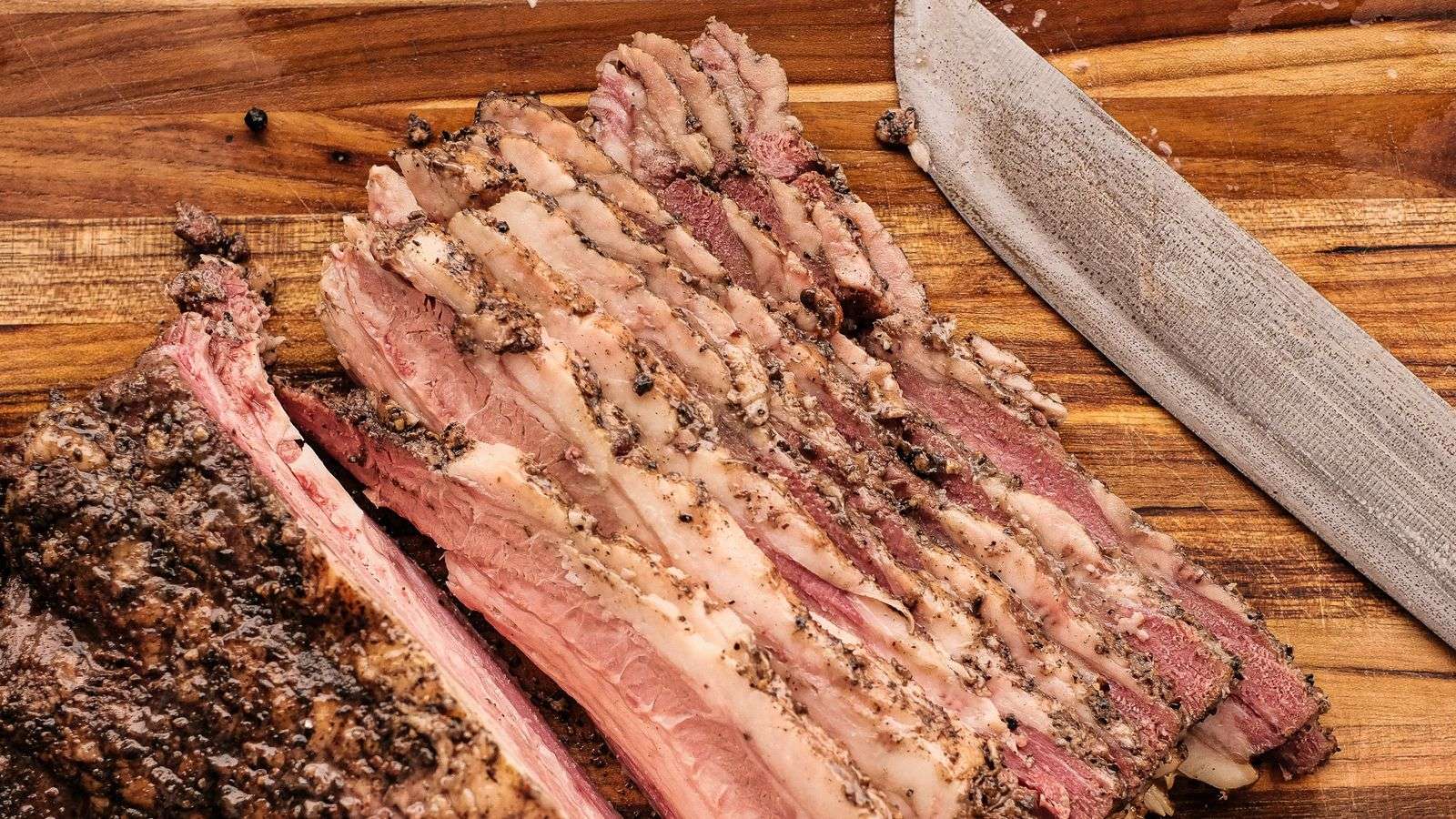
The tri-tip goes on whole, seasoned with nothing fancier than salt, pepper, and garlic salt, and it's turned and adjusted by eye and touch until it hits medium-rare in the center with a dark, almost black crust.
That crust-forward, high-heat-then-rest approach is closer to our two-zone fire setup guide than it is to traditional low-and-slow smoking — Santa Maria pits run hot and close, not low and slow over hours.
If you're coming from Texas brisket country or Carolina whole-hog territory, this will feel like a different sport entirely, and it is.
For the internal temperature targets that separate a properly rested tri-tip from a gray, overcooked one, check our meat temperature chart before you fire up your own grate.
Visitors used to offset smokers or ceramic kamados sometimes assume Santa Maria pitmasters are missing a step, but the open pit is the point. A closed smoker traps smoke and moisture to slow-cook tougher, well-marbled cuts like brisket or pork shoulder over many hours.
Tri-tip is a leaner, more tender cut to begin with, and it doesn't need eight hours of smoke to break down connective tissue — it needs high, direct radiant heat to build a crust fast while the inside stays rare to medium-rare.
An open pit over red oak coals does exactly that, and it lets the pitmaster watch, smell, and physically adjust the meat's distance from the fire in real time, something you lose with a closed firebox.
It's a completely different engineering problem from the low-and-slow styles most of the country associates with the word "barbecue," which is exactly why Santa Maria gets treated as its own category rather than a subset of Texas or Carolina traditions.
These are the five stops that define the style today, verified open and operating as of July 2026. All are within a short drive of downtown Santa Maria, across Orcutt, Nipomo, and Casmalia — the towns that make up the wider valley.
Now settled into Old Town Orcutt after moving from its historic Guadalupe location, Far Western Tavern is the closest thing this valley has to a flagship.
The Rancho-style tri-tip comes oak-grilled and thick-cut, and the connection to actual ranching history is real — the ownership traces back to the valley's cattle families. Order: the oak-grilled tri-tip dinner with pinquitos, and don't skip the abalone if it's on the specials board.
Open Thursday through Sunday evenings.
A family-run institution that's been grilling over open red oak coals since the 1960s. Jocko's leans into hand-cut, dry-aged steaks as much as tri-tip, but the same fire and the same technique run through everything on the grill. Order: the tri-tip or the top sirloin, cooked to order over the coals, with a side of their pinquitos. Expect a wait on weekends — they don't rush the fire.
Tucked into the tiny town of Casmalia, this is the original location that put Santa Maria barbecue on the national map, including a nod from Forbes as one of the country's great BBQ joints. Order: the oak-grilled steak and the ribs alongside a classic tri-tip plate — this kitchen runs a broader grill menu than most, but the pit technique never changes.
Right in town on South Broadway, serving Santa Maria-style barbecue since 1953. This is the most approachable, most centrally located stop if you only have time for one meal in the city itself, and the menu runs the full range from tri-tip to spicy oak-grilled linguica sausage. Order: the combination plate — tri-tip and linguica together — to taste both halves of the tradition in one sitting.
A dining room inside a hotel that's been operating since 1917, with a more polished, sit-down take on the local plate. Order: the grilled tri-tip off the dinner menu, or the shaved tri-tip sandwich with smoky BBQ sauce and crispy onions at lunch if you want something faster between stops.
Local butchers and pitmasters both told us the same thing: a tri-tip trimmed too aggressively at the grocery store loses the fat cap that bastes the meat and helps the crust form. Ask for it with the fat cap mostly intact and trim at home right before cooking.
Nobody here is running a twelve-ingredient rub. Salt, cracked pepper, and granulated garlic, applied at least an hour before it hits the grate — sometimes the night before. If you want the full breakdown on rub ratios and timing for other cuts, our dry rub guide covers the principles, but for tri-tip specifically, simpler is genuinely better.
The adjustable, crank-operated grate is the single biggest technique difference from a standard backyard setup. If your grill doesn't have one, get the same effect by building a proper two-zone fire and shifting the meat between direct and indirect heat as the crust develops — see our two-zone fire setup guide for the mechanics.
Because tri-tip cooks hot and relatively fast compared to a brisket or pork butt, the resting window matters even more. Pitmasters here rest a whole tri-tip a full 10–15 minutes before slicing — skip it and you'll watch the juice run straight out onto the cutting board.
Tri-tip has two muscle grains running in different directions, which trips up first-timers constantly. Cut the roast in half at the point where the grain shifts, then slice each half against its own grain. Get this wrong and even a perfectly cooked tri-tip chews like a boot.
The Santa Maria Valley Chamber of Commerce backs an actual Santa Maria Style Barbeque Association, which exists to protect and promote the tradition the way a wine appellation protects a growing region.
It's a useful first stop if you're planning a visit — the association tracks which restaurants and community groups are running pits on a given weekend, since a good chunk of the most authentic cooking in this valley still happens at civic fundraisers rather than storefronts.
If your trip lines up with one of these events, prioritize it over a restaurant reservation; it's the closest you'll get to the original roundup-crew version of the tradition.