| Style | Hickory-pit mutton, burgoo stew, thin black "dip" sauce basted throughout the cook |
| Signature meat | Mutton (aged sheep, not lamb), plus pulled pork and chopped chicken |
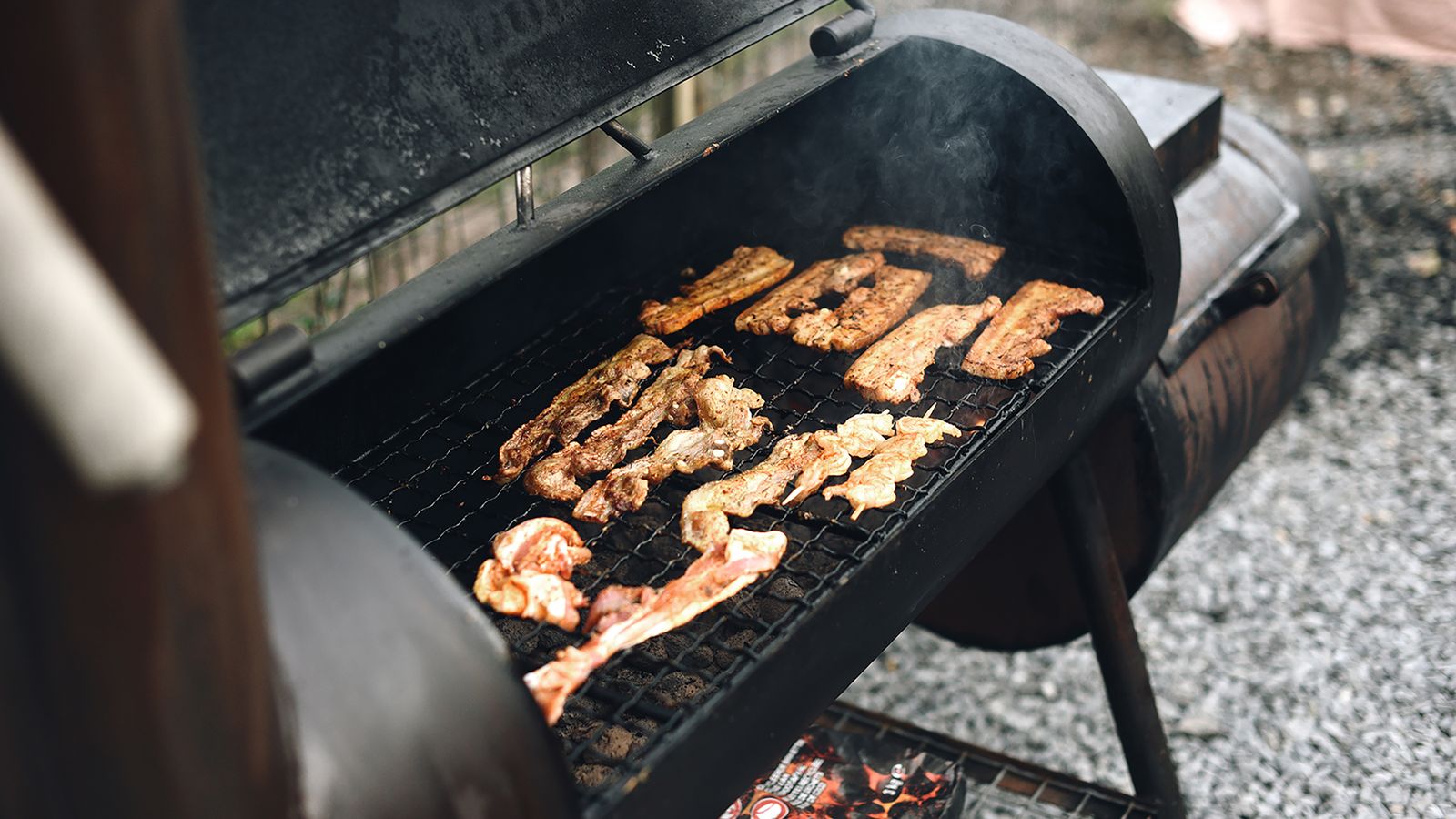
| Wood | Hickory, burned down to coals in open pits |
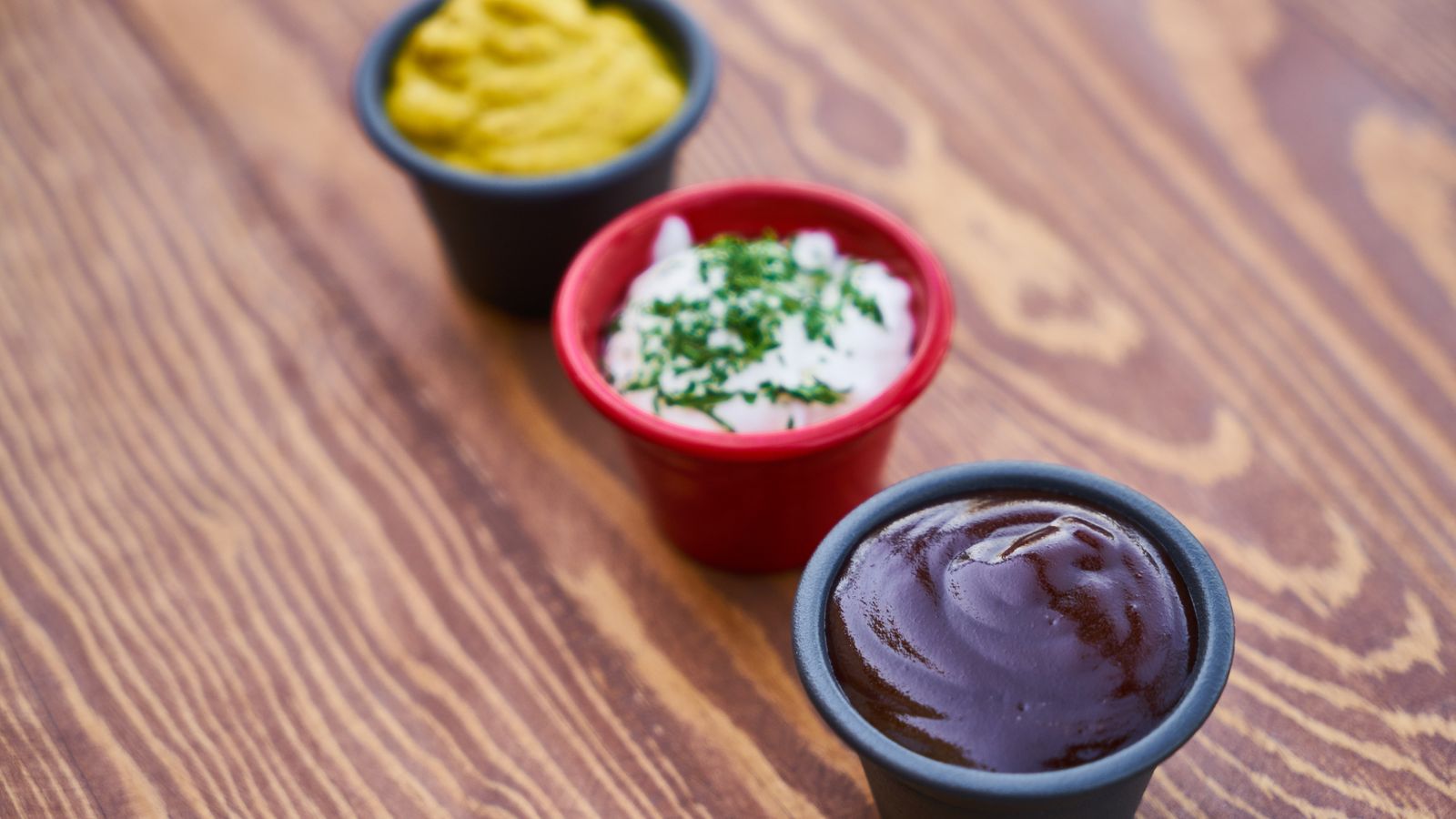
| Sauce | Black dip: Worcestershire, vinegar, and black pepper base, no tomato, brushed on during smoking and served on the side |
| Classic sides | Burgoo (mutton-pork-beef-vegetable stew), mutton dumplings, hush puppies, banana pudding |
| Iconic joints | Moonlite Bar-B-Q Inn, Old Hickory Bar-B-Que, Ole South Barbeque, Vannatten's Pitmaster BBQ, Blandford's Family BBQ |
| Price band | $10-20 per person at the buffet houses, $6-12 for a mobile-trailer sandwich plate |
| Best season/events | Early May, for BBQ & Barrels (formerly the International Bar-B-Q Festival), plus year-round Sunday church-picnic season |
Owensboro, Kentucky calls itself the Bar-B-Q Capital of the World, and unlike most civic taglines, this one has a menu to back it up. This is the one American barbecue city built around mutton — smoked sheep, not lamb, not goat — and around a jet-black sauce that has no tomato in it whatsoever.
If you've only ever eaten Texas brisket, Carolina pulled pork, or Kansas City burnt ends, Owensboro is going to reorder your sense of what barbecue can taste like, and it's going to do it with a stew called burgoo that most of the country has never heard of.
None of this is a gimmick built for tourists.
Western Kentucky has been smoking mutton over hickory coals since the late 1800s, when Owensboro's German and Catholic immigrant communities needed a way to feed large church-picnic crowds cheaply, and sheep — plentiful, affordable, and unwanted for much else once past prime wool age — became the answer.
The tradition never left.
Three long-running restaurants and a growing wave of newer trailers and pop-ups still run wood pits the same basic way their predecessors did a century ago, and the whole town still gathers every year for a barbecue festival that predates most of the country's now-famous competition circuits.
This guide covers where that tradition came from, exactly what makes the sauce and the meat different from everywhere else, five real places to eat it right now, the techniques worth stealing for your own smoker, and what to actually expect if you plan a trip around it.
Mutton became Owensboro's signature meat for practical reasons before it became a point of pride.
Western Kentucky's rolling pastureland supported sheep farming from the 1800s onward, and mutton — the meat of a mature sheep, generally at least a year or two old, with a stronger flavor and tougher grain than lamb — was cheap and available in bulk.
That mattered because Owensboro's barbecue tradition grew directly out of church picnics and parish fundraisers, particularly among the area's Catholic and German communities, where a single low-and-slow pit could feed hundreds of parishioners on a fraction of the budget that beef or pork would have required.
Long, slow hickory smoke was the only practical way to turn a tough cut of aged mutton into something tender enough to serve to a crowd, and the technique stuck long after the economics that created it had faded.
The black dip sauce is the other half of what makes this style unmistakable.
Where most of the country reaches for a tomato-based sauce, sweet or vinegar-forward, Owensboro pitmasters built theirs around Worcestershire sauce, vinegar, and black pepper, sometimes with a touch of butter or hot sauce worked in, but never tomato.
That sauce isn't just a table condiment here — it's basted onto the mutton throughout the entire smoking process, which is part of why the meat develops such a distinctive dark, savory bark.
For a sense of how that thin, tomato-free approach compares to Carolina vinegar sauce, Texas mop, or Kansas City's thick tomato style, the regional BBQ sauce guide lays the whole map out side by side.
Burgoo is the third pillar, and it's arguably the most Owensboro dish of all three.
It's a thick stew built from whatever meats a pit has on hand — traditionally mutton, but often pork, beef, and chicken all together — simmered for hours with corn, tomatoes, potatoes, and other vegetables until it breaks down into something closer to a rich chowder than a soup.
Burgoo shows up at church picnics, festivals, and every one of the town's major BBQ restaurants, usually sold by the cup or bowl alongside the sliced and chopped meats.
It's the dish locals point to first when they're trying to explain what makes this barbecue tradition different from anywhere else in the country, and it pairs naturally with everything else on a plate here — for background on how a low, slow cook builds that kind of depth in the first place, see the low and slow smoking guide.
Owensboro's barbecue culture reached a wider audience through its annual festival, first held in the 1970s as the International Bar-B-Q Festival and now rebranded as BBQ & Barrels, pairing the traditional mutton-and-burgoo cookoff with Kentucky bourbon culture.
It draws competition teams and tens of thousands of visitors to downtown Owensboro every May, and it remains the clearest single snapshot of how seriously this small city takes a food most Americans have never tasted.
Owensboro's barbecue scene is famously compact — three long-running restaurants have anchored it for decades, and a newer generation of mobile trailers has started filling in around them. All five below were verified as currently operating as of mid-2026.
Open since 1963 on West Parrish Avenue, Moonlite is the restaurant most likely to show up on a national "best BBQ in America" list, and it's the closest thing Owensboro has to a required stop.
It runs a full buffet loaded with hickory-smoked mutton, pork, ham, and chicken, plus burgoo, mutton dumplings, and banana pudding. Order the mutton straight off the buffet with a side of the black dip, and don't skip the burgoo — it's the version most visitors use as their baseline for the dish.
Family-run on Washington Avenue since a pit that traces back to 1918, Old Hickory has built a national reputation through appearances on Bizarre Foods America and BBQ Pitmasters.
It offers dine-in, carryout, and a drive-thru, which makes it the easiest of the three big joints to work into a tight schedule. Order the off-the-pit mutton plate with beans and a side of burgoo, and ask for extra dip — regulars treat it as a given, not an upgrade.
Located on KY-54, Ole South runs an all-day buffet that opens as early as 6 a.m., making it the rare BBQ joint in the country where you can eat hickory-smoked mutton and pulled pork for breakfast.
It's known locally as "Western Kentucky's best kept BBQ secret" despite decades in business, largely because it draws more local regulars than tourists. Order the buffet for the widest possible sampling of mutton, pulled pork, and burgoo in one sitting.
One of the newer names in the region, Vannatten's runs as a barbecue trailer rather than a fixed dining room, serving pork, brisket, or mutton chopped and piled on a bun with a house lineup of original, sweet-heat, and hot sauces.
Because it's mobile, tracking down its current location around Owensboro and the surrounding counties means checking its social media before you go rather than assuming a fixed address — order the mutton sandwich if you want the most distinctly local option on the menu.
Another pop-up-style operation that has built a fast following since its first appearances in 2025, Blandford's keeps its menu simple: pulled pork or pulled chicken sandwiches and loaded nachos, smoked and served out of a trailer that shows up at food-truck events around the Owensboro area.
It's a good stop if you're building a trip around the newer wave of Western Kentucky pitmasters rather than the historic buffet houses, though you'll want to confirm its schedule on social media the same day.
Between the three buffet houses and the two trailers, you get the full range of what's happening in Owensboro barbecue right now — a century-old mutton tradition still running at full strength, and a new generation testing it out from a folding table and a smoker on a trailer hitch.
Talk to enough Owensboro pitmasters and a handful of habits keep coming up — ideas that translate directly to a backyard rig, not just a century-old open pit.
The three big buffet houses — Moonlite, Old Hickory, and Ole South — are all casual, family-friendly, and priced for repeat visits rather than special occasions, generally landing in the $10-20 per person range for a full buffet plate.
All three offer dine-in and carryout, and Old Hickory adds a drive-thru if you're short on time.
The two trailer operations, Vannatten's and Blandford's, run cheaper and more informally, typically $6-12 for a sandwich or nacho plate, but require checking social media the same day for location and hours since neither runs a fixed storefront.
If you can time a visit to early May, budget an extra day for BBQ & Barrels, the descendant of the original International Bar-B-Q Festival, which fills downtown Owensboro with competition pits, live music, and Kentucky bourbon vendors alongside the barbecue. It's the single best way to taste a wide range of mutton and burgoo prepared by cooks you won't find at a fixed address the rest of the year.
Pace yourself across more than one meal if you can — a mutton plate with burgoo and dip at one of the buffet houses is filling enough to be a whole afternoon's food, and the flavor profile is different enough from anywhere else in the country that it's worth tasting slowly rather than rushing through a single sitting.
And if the trip sends you home wanting to build your own version of a hickory pit, the fundamentals in the brisket guide and the competition-style ribs guide will get you most of the way there — just swap in mutton, or a tougher cut of lamb shoulder if mutton isn't available where you live, and lean harder on time than temperature.
Owensboro doesn't need to convince anyone it's a serious barbecue town. It just needs you to try the dip.
This guide is part of the City BBQ Series — every barbecue city we’ve covered, one page →