The quick version
Home Korean BBQ rides on two things: marinade balance and grill discipline. Bulgogi is 1/8-inch ribeye in a pear-based marinade for 30 minutes to 2 hours max, seared at 400-450°F for 1-2 minutes a side; galbi is flanken-cut short rib marinated 4+ hours and grilled at 350-400°F for 3-4 minutes a side. Cook in small batches — no more than 4-6 ounces per square foot of grate — or the meat steams gray instead of caramelizing, and watch the sugar’s color, not the clock.
Korean BBQ isn't about smoke rings or a twelve-hour cook. It's about thin, well-marinated meat hitting screaming-hot metal for a couple of minutes, then getting wrapped in lettuce with rice, garlic, and a dab of ssamjang before it even has time to cool. Do it right at your own table and it beats the restaurant version — you control the heat, you control the batch size, and nobody's rushing you off the table for the next reservation.
The whole method rides on two things most home cooks get wrong: marinade balance and grill discipline. Get the pear-to-soy ratio wrong and bulgogi turns mushy. Crowd the grill and galbi steams instead of caramelizing. Fix those two things and you've got the real thing in your backyard tonight.
Every Korean BBQ spread built for a home table comes down to these two proteins. They're cooked differently, marinated differently, and they serve different jobs on the grill.
Bulgogi means "fire meat," and it's built for speed. You want ribeye or top sirloin sliced against the grain at 1/8 inch thick — thin enough that a butter knife could do it, though a partially frozen roast (30-45 minutes in the freezer firms it up) makes it a lot easier to slice evenly at home. Ask your butcher for "bulgogi cut" if they carry Korean or Japanese clientele; a lot of Asian grocery meat counters slice it to order.
The marinade is where the technique lives. Asian pear or apple, pureed, isn't just for sweetness — the enzymes (bromelain-like proteases in pear, similar mechanism to what makes pineapple work) break down muscle fiber and give bulgogi its signature tenderness. Skip the fruit and you just have salty soy-marinated steak; add too much and the meat turns mealy and falls apart on the grill. That's the balance to respect.
Galbi is short rib, but not cut the way most American butchers default to. You want the flanken cut — across the bone, about 1/3 to 1/2 inch thick, so each strip has three or four small bone cross-sections running through it.
This is a specialty cut; call ahead or find it pre-packaged at a Korean or H-Mart-style grocery. English-cut short ribs (parallel to the bone, thick blocks) are the wrong cut entirely for tabletop grilling — that's low-and-slow smoker territory, not fast direct grilling.
Galbi's marinade runs sweeter and heavier than bulgogi's — more sugar, more mirin or rice wine, sometimes a spoon of grated kiwi in place of pear. That extra sugar is deliberate: it's what caramelizes into the dark, slightly sticky crust that makes galbi taste different from bulgogi even though both start from soy, garlic, and sesame.
Forget vague "to taste" recipes. Here's what actually balances, per pound of meat:
Both marinades should sit in a zip-top bag or shallow dish in the fridge, meat spread in a single layer so everything contacts the liquid evenly. Pull it out 15-20 minutes before grilling so it's not fridge-cold hitting the grate — cold meat drops your grill surface temperature the second it lands and you lose your sear window.
This is the part everyone skips, and it's the difference between "tastes like the restaurant" and "why is my meat gray and rubbery." Korean BBQ is a high, direct-heat, small-batch game — closer in spirit to a quick hard sear repeated dozens of times than to anything low and slow.
| Cut | Grill surface temp | Time per side | Visual cue to flip |
|---|---|---|---|
| Bulgogi (thin-sliced) | 400-450°F (204-232°C) | 1-2 minutes | Edges curl and lose their pink sheen |
| Galbi (flanken short rib) | 350-400°F (177-204°C) | 3-4 minutes | Sugars darken to deep mahogany, not black |
Bulgogi runs hotter because it's thin — you need to sear fast before it overcooks straight through. Galbi runs a touch cooler because the sugar content is higher and the meat is thicker around the bone; too hot and the marinade sugars scorch before the center even warms up.
If you want the deep science on why sugar behaves differently than fat under high heat, the same caramelization-versus-burning logic shows up across the board — check the meat temperature chart for how doneness windows shift by cut and thickness.
Cook in small batches — no more than 4-6 ounces of meat per square foot of grill surface at a time. Overload the grate and the meat releases moisture faster than it evaporates, and you get gray, steamed meat instead of a seared, caramelized crust. This is the single most common mistake home cooks make: they dump the whole bowl on at once because it looks impressive, and it just boils in its own juice.
CEO TIP: Keep raw marinated meat, a pair of kitchen shears, and an empty plate for cooked pieces all within arm's reach of the grill. Korean BBQ moves fast and continuously — you're not doing one big cook, you're doing twenty small ones back to back for the length of the meal.
Grab the free doneness + wood-pairing cheat sheet →
The authentic setup is a portable butane tabletop grill (the kind with a domed, ridged cast-iron or nonstick plate) or a small charcoal hibachi sitting right at the table.
Both work because they put the meat inches from a concentrated, direct heat source with almost no distance for heat to bleed off — completely different from a full-size backyard grill where you're usually managing a two-zone fire with direct and indirect sides. Korean tabletop grilling doesn't need a cool zone.
Everything cooks fast and direct, and you're feeding the grill continuously in small batches rather than managing a big single cook.
If you're using charcoal, lump charcoal in a small hibachi gets you there faster and hotter than briquettes, and it's easier to modulate — open the vents to push toward 450°F, close them down toward 350°F. If you haven't spent time controlling airflow on a kettle or kamado, a small hibachi is actually a forgiving place to practice since the fire bed is so much smaller and reacts to vent changes in under a minute.
A butane burner with a cast plate is more forgiving for beginners — consistent heat, no charcoal management, and most plates have a sloped design with a channel that drains fat away from the meat instead of pooling and causing grease fires. Either way, the point is the same: real, radiant, direct heat right under the food, not a broiler or an indoor electric griddle trying to fake it.
Stop staring at a timer and start watching the meat. Both marinades are sugar-heavy, and sugar goes from caramelized to burnt in a matter of seconds once it crosses that line — a clock doesn't tell you where that line is on your specific grill.
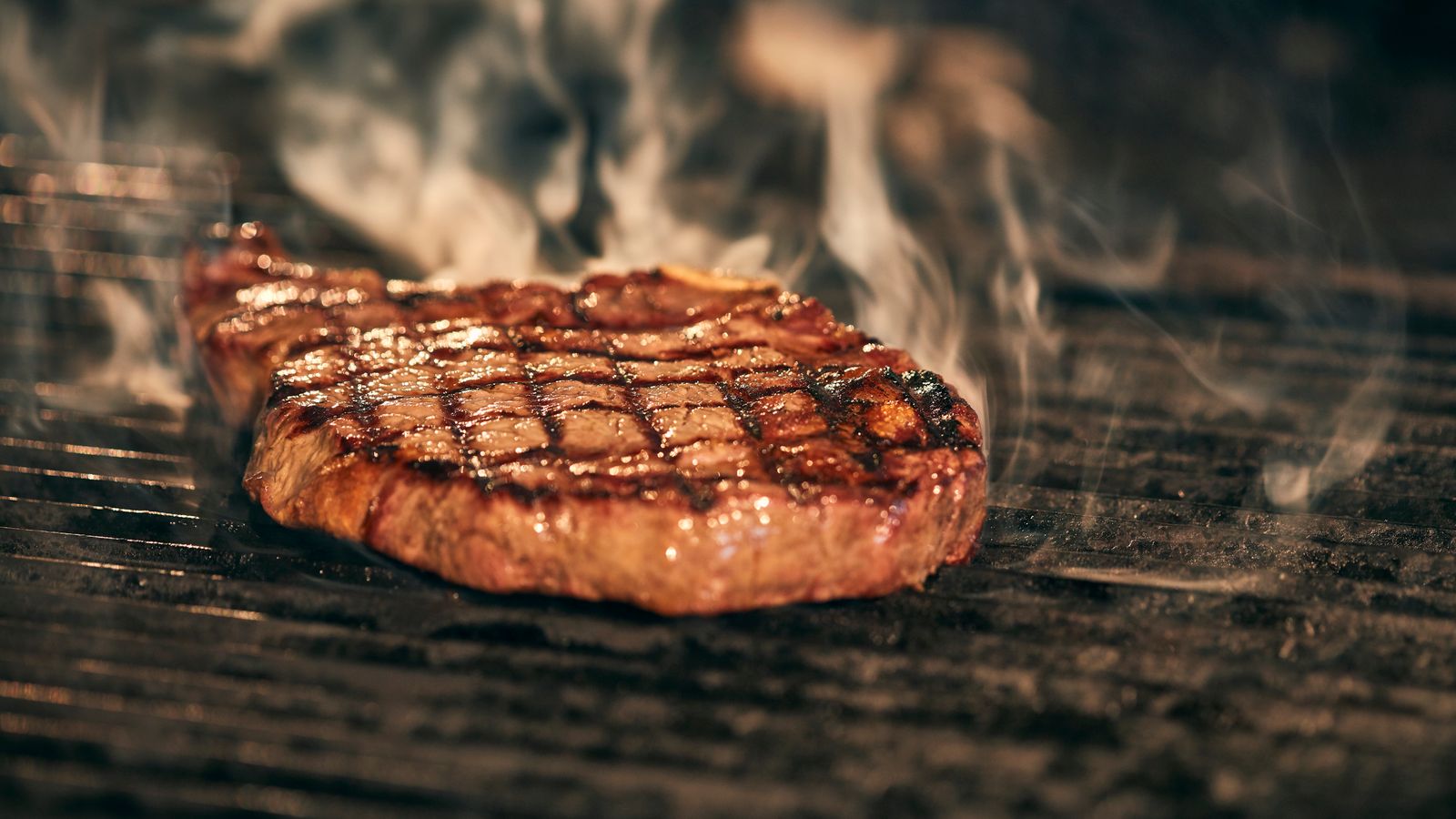
Flare-ups are inevitable — the sugar and sesame oil in both marinades drip and ignite. When flames jump, move the meat to a cooler spot on the grill or lift it with tongs for a few seconds rather than dousing with water or panicking.
A quick flare that touches the meat for a second or two adds char; a sustained flame under it for 10+ seconds just burns the sugar black and turns it bitter. This is the one place where constant attention beats any fixed technique — you cannot walk away from a Korean BBQ grill.
The wrap — ssam — is not a garnish, it's half the dish. Get a stack of red leaf or napa cabbage leaves, or perilla leaves if your grocery carries them (they add a distinct, slightly bitter, almost minty note that's worth seeking out).
The build, in order:
Round out the table with banchan — the small shared side dishes that make the meal feel complete: kimchi (always), pickled radish (moo saengchae or danmuji), a simple bean sprout salad (kongnamul), and something cold and crunchy to cut the richness of the grilled meat.
If you want to round the table out further with more Western sides for a mixed crowd, a solid side dish lineup isn't out of place next to the banchan — a light slaw plays the same palate-cleansing role.
Compare that ratio-driven marinade approach to how other marinades balance sugar, acid, and salt — the same fundamentals of sweet-salty-umami balance apply whether you're building bulgogi or a weeknight chicken marinade, just tuned for a completely different cook time and heat level.