The quick version
Yakitori is fast, close-in skewer work over binchotan — dense white charcoal that burns north of 1,700°F with almost no smoke or flare-up. Hold skewers 2–3 inches over the coals, flip every 30–45 seconds, and pick one seasoning per skewer: tare glaze dipped in layers near the end, or plain shio salt. Every cut comes off at 165°F internal minimum, no exceptions — doubly so for ground tsukune. No konro? A kettle with a tight, deep coal bed gets you 80% of the way there.
Forget the idea that yakitori is just "chicken on a stick." Done right, it's one of the most precise forms of live-fire cooking there is — tiny cuts, blistering radiant heat, and a cook window measured in seconds, not minutes. Get the charcoal right and season with restraint, and you can run a proper yakitori counter in your own backyard.
The whole style hinges on one piece of gear most American grillers have never burned: binchotan. Once you understand what that charcoal is doing to the chicken, the rest of yakitori — the cuts, the tare, the timing — falls into place fast.
Binchotan is a Japanese white charcoal traditionally made from ubame oak, fired in a kiln at extreme temperatures until it's almost pure carbon, then smothered in sand and ash to finish — that's where the pale gray coating comes from. It's dense, heavy for its size, and rings almost like ceramic when you tap two pieces together. That density is the whole point.
Lump charcoal and briquettes burn fast and dirty by comparison, throwing off volatile compounds as they combust. Binchotan burns nearly clean, with very little smoke and almost no flare-up, because there's so little left in it besides carbon.
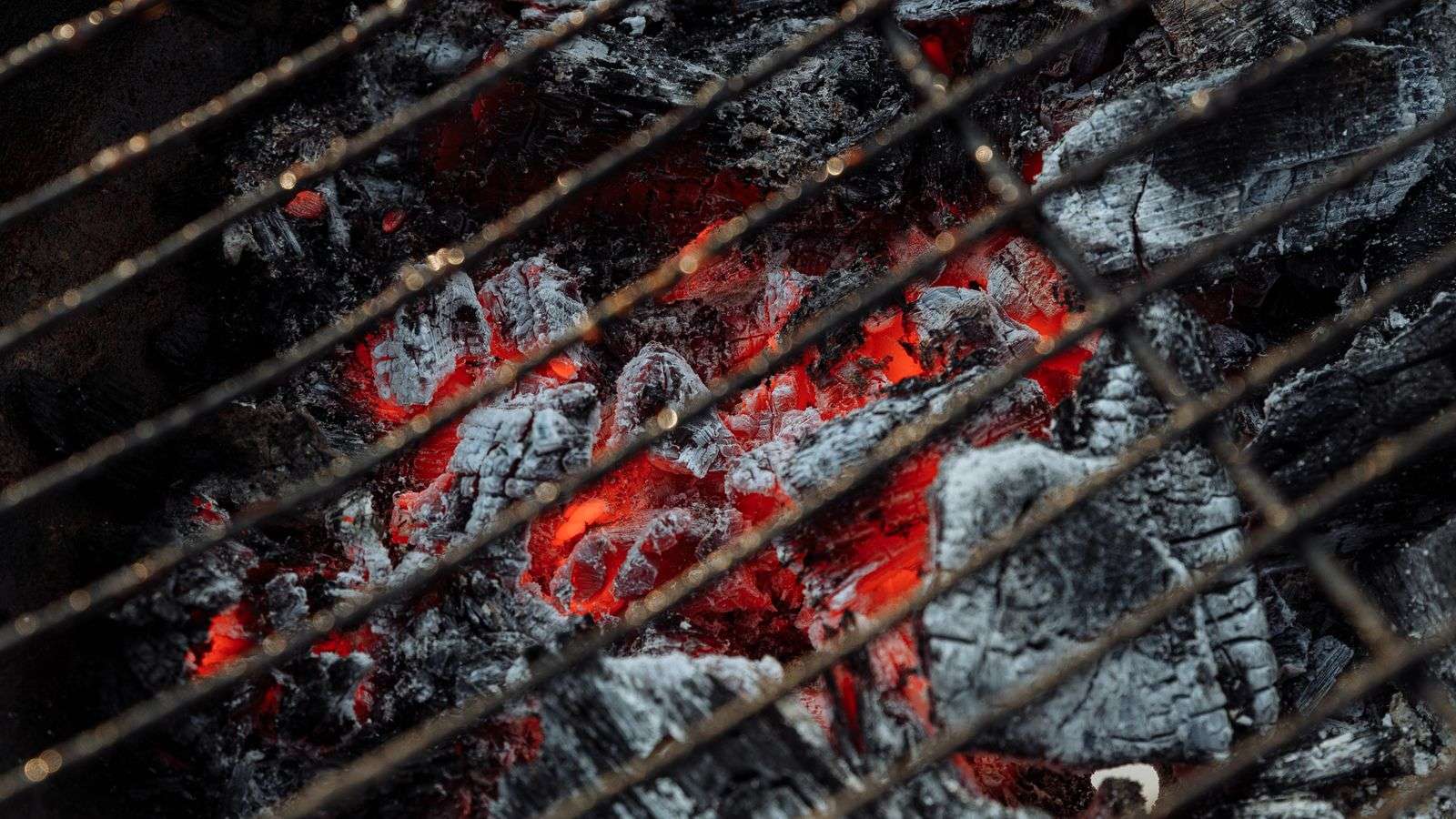
It lights slowly — sometimes 20-30 minutes to get going — but once it's there, it holds a ferocious, steady radiant heat, often north of 1,700°F at the coal bed, for over an hour without much tending.
If you want the deep dive on how lump compares to briquettes for other cooks, that logic still applies here, just at a more extreme end of the spectrum.
That combination — intense radiant heat with minimal smoke — is exactly what yakitori needs. You're not trying to smoke the chicken. You're trying to sear it hard and fast from the outside while the inside barely has time to overcook, and you want the char flavor coming from the meat and fat hitting hot carbon, not from creosote in the smoke.
CEO TIP: If you can't source real binchotan, look for oak lump charcoal and build the deepest, most compact coal bed you can. You won't match the radiant intensity exactly, but a tight bed of hot oak coals beats a shallow, spread-out fire every time for skewer work.
A konro is a narrow, rectangular grill made from diatomaceous earth or ceramic, built specifically for binchotan skewer cooking.
The insulated walls hold the heat in and direct it straight up at the food instead of losing it sideways, which is why a konro can run hotter with less charcoal than an open grate would need.
The narrow shape also does double duty: it's just wide enough for the coal bed, but the rails on each side let you rest the skewer handles up off the heat entirely.
That last detail matters more than it sounds like it should. Keep the exposed ends of your skewers off the fire and they stay cool enough to grab and rotate by hand — no oven mitts, no tongs fumbling. If you're using bamboo skewers instead of metal, this also keeps the handle end from torching while the food end cooks.
No konro on hand? A kettle grill works if you bank the coals into a small, dense pile off to one side and build a proper hot zone, the same logic covered in the two-zone fire setup guide — just push everything closer together and hotter than you would for steaks. The goal is a compact, intense coal bed you can hold skewers 2-3 inches above, not a wide, moderate fire.
American backyard chicken thinking stops at breasts, thighs, and wings. Yakitori treats the whole bird as a menu. Here's the core lineup worth learning first.
| Japanese Name | What It Is | Best Seasoning | Approx. Cook Time |
|---|---|---|---|
| Momo | Thigh meat, cut into 1-inch cubes | Tare or shio | 4-5 min total |
| Negima | Thigh alternated with scallion or leek | Tare | 4-5 min total |
| Tsukune | Ground chicken meatball, often with cartilage mixed in | Tare | 6-8 min total |
| Kawa | Skin, rolled and skewered | Shio or tare | 6-8 min, rendering |
| Sunagimo | Gizzard, sliced thin | Shio | 3-4 min total |
| Tebasaki | Whole wing, unstuffed or stuffed | Shio or tare | 6-8 min total |
| Nankotsu | Cartilage from the breastbone, diced | Shio | 3-4 min total |
Momo is the anchor cut and the right place to start — dark thigh meat stays juicy at high heat far better than breast does, and it's forgiving if you overshoot the timing by a few seconds. Negima adds char-blistered scallion between the chunks for a sweeter contrast.
Tsukune is the wildcard: ground thigh and breast, sometimes with a bit of minced cartilage folded in for texture, formed onto the skewer by hand and often finished with a raw or lightly cooked egg yolk for dipping.
Kawa deserves special mention because it's the cut most home cooks get wrong. Skin needs longer over lower, more controlled heat to render the fat and crisp evenly — throw it straight over the hottest part of the coal bed and you'll burn the outside while the inside stays rubbery and unrendered.
If that's a problem you've run into before on a smoker too, the fixes overlap with what's covered in this rubbery chicken skin guide: render slowly, don't rush the fat out.
Yakitori keeps its seasoning deliberately narrow. You choose tare or shio per skewer — not both, not a rub, not a marinade with a dozen ingredients. That restraint is the style.
Tare is a soy-mirin-sake-sugar glaze, traditionally built by simmering chicken bones and trim in the base liquid until it reduces to a syrupy, deeply savory glaze — closer to a reduction than a sauce.
A basic ratio to start from: equal parts soy sauce and mirin, half that amount of sake, and sugar to taste, simmered down by half until it coats a spoon. Good tare should taste sweet, salty, and faintly caramelized all at once, not one-note salty like straight soy sauce.
Skewers get dipped into the tare, not brushed — dunk, let excess drip off, then grill. Near the end of the cook, dip again and return to the heat for another 30-45 seconds so the sugars catch a little char.
Two or three of these layered dips build real depth without ever burning the glaze outright, which is the risk if you apply tare too early and leave it over the coals too long.
If you're building your own version at home, it's worth comparing tare's balance against other chicken marinades ranked by best use — tare is really a glaze-marinade hybrid, applied in stages rather than soaked in advance.
Shio just means salt — a light, even coating applied right before the skewer hits the fire, sometimes with a squeeze of lemon or a few drops of citrus like sudachi at the table. It's the better choice for cuts where you want the natural flavor and fat to carry the dish: gizzard, cartilage, and skin all shine under shio because there's no glaze competing with the char.
Small cuts and intense radiant heat mean yakitori cooks in minutes, not the low-and-slow hours you'd spend on a brisket or a shoulder. Most skewers are done in 4-6 minutes total, flipped every 30-45 seconds so no single side sits over the hottest part of the fire long enough to scorch before the inside catches up.
Hold the skewers close — 2 to 3 inches above the coal bed is typical over binchotan, closer than you'd ever run a standard grate over lump or briquettes, because binchotan's heat is more radiant and less flame-driven.
Rotate constantly, watch for fat flare-ups on skin and thigh cuts, and pull anything that starts blackening unevenly rather than trying to save it with a lower position — there usually isn't a lower position available on a konro.
CEO TIP: Prep every skewer before you light the fire, not during. Once binchotan is fully lit you've got a short, hot window and no time to be cubing thighs or threading meatballs mid-cook.
Every cut of chicken on the grill, skewer or otherwise, needs to hit at least 165°F internal to be safe — that's non-negotiable, and it's doubly important on tsukune since ground meat mixes surface bacteria throughout the whole piece rather than keeping it on the outside like a solid cut.
Check the thickest part of the skewer with an instant-read thermometer rather than guessing off color or char, especially with dark meat, which stays pink-tinged even well past done.
For the full range of safe minimums and where visual doneness can mislead you, the meat temperature chart is worth keeping next to the grill the first few times you run this.
If you're shopping for a probe that can handle these small, fast cooks without lag, this thermometer guide breaks down which style actually reads fast enough for skewer work.
Small cuts and thin diameters mean these skewers can swing from underdone to overcooked in under a minute, so don't walk away once the fire's hot — yakitori punishes distraction more than almost any other style of grilling.
Grab the free doneness + wood-pairing cheat sheet →
You don't need a dedicated konro to get most of this right. A kettle with a tight, deep coal bed, metal or well-soaked bamboo skewers, and thigh meat cubed small and even will get you 80% of the way there on your first attempt. Keep the fire compact rather than spread out, keep the skewer handles clear of direct heat, and resist the urge to season heavy — tare or shio, never both, and let the fire do the rest of the work.
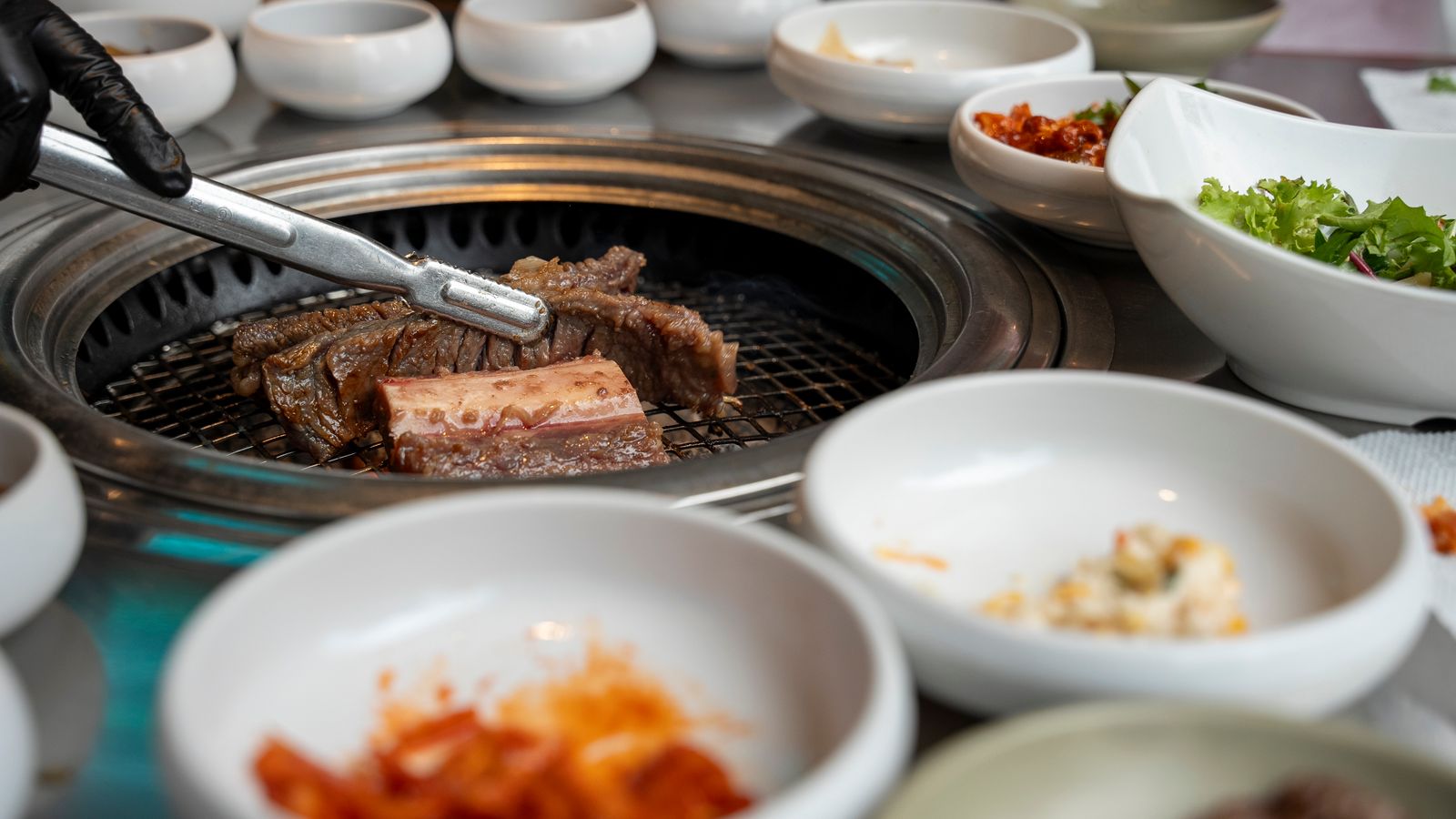
It's a different mode of live-fire cooking than most American backyard grilling, closer in spirit to the rapid, high-heat, tabletop style you'd find in Korean BBQ at home than to low-and-slow smoking — fast, attentive, cut-by-cut cooking where the fire barely changes but the food never stops moving.