The quick version
Real jerk needs scotch bonnet and allspice together, blended into a wet paste and given 4–24 hours to work into the meat — 4 is the floor, 12–24 is where it tastes like jerk all the way through. Cook chicken thighs indirect at 275–300°F, then crisp them over direct heat and pull at 175°F internal so the dark meat turns tender instead of chewy. Toss whole allspice berries on the coals every 20–30 minutes to stand in for pimento wood; pork shoulder takes the same paste low and slow at 250°F to 195–203°F.
Jerk isn't a rub you shake on and hope for the best. It's a wet paste built around two non-negotiables — scotch bonnet pepper and allspice, which Jamaicans call pimento — plus a cook method that separates the good from the great: low and slow to build flavor and render fat, then a hard crisp over direct heat at the end. Skip either half and you've made spicy chicken. Do both right and you've made jerk.
This isn't a shortcut recipe. It takes a real marinade time, a two-zone fire, and a willingness to respect a pepper that can genuinely hurt you if you're careless with it. Here's how to build the paste, manage the wood, and run the cook for both chicken and pork shoulder — the two cuts jerk was built for.
Every legitimate jerk paste is a balance of heat, warmth, funk, and a little sweetness. You're building it in a blender or food processor, not a spice jar. Here's the working ratio for about 3-4 lbs of chicken thighs or one pork shoulder:
| Ingredient | Amount | Role |
|---|---|---|
| Scotch bonnet peppers | 2-4, stemmed | Heat and fruity signature flavor |
| Ground allspice (pimento) | 2 tbsp | The other half of jerk's identity |
| Fresh thyme | 3 tbsp, leaves stripped | Earthy backbone |
| Scallion (green onion) | 1 bunch, roughly chopped | Sharp, oniony depth |
| Fresh ginger | 2-inch piece, peeled | Brightness and bite |
| Garlic | 4-6 cloves | Savory base |
| Soy sauce | 1/4 cup | Salt and umami |
| Lime juice | 2 limes, juiced | Acid to open the marinade up |
| Brown sugar | 2 tbsp | Balances the heat, helps char |
| Vegetable oil | 2-3 tbsp | Carries flavor, smooths the blend |
Habanero is the common substitute and it'll work in a pinch — same Capsicum chinense family, similar heat range around 100,000-350,000 Scoville units — but scotch bonnet has a distinct fruity, almost apple-like sweetness underneath the burn that habanero doesn't fully replicate.
If you can find scotch bonnet, use it. Allspice is the ingredient people skip because they think it's just for pumpkin pie. Don't skip it.
Ground allspice berries carry clove, cinnamon, and nutmeg notes all in one dried berry, and it's what makes jerk taste like jerk instead of just "spicy chicken." Toast whole allspice berries in a dry pan for 60-90 seconds before grinding if you want more aroma out of them.
Pulse everything in a food processor until you get a coarse, wet paste — not a smooth puree. You want visible flecks of thyme and scallion. If it's too thick to coat the meat evenly, loosen it with a splash more lime juice or a tablespoon of water, not more oil.
CEO TIP: Wear gloves when handling scotch bonnets, and never touch your face or eyes for at least twenty minutes after — the oils sit on your skin longer than you think. If your blender isn't sealed tight, crack a window. Scotch bonnet fumes off a hot processor blade will clear a kitchen fast.
Four hours is the floor, not the target. The paste needs real time to work through the meat — the salt in the soy sauce is doing brine-style work, pulling moisture in and carrying the allspice and scotch bonnet flavor past the surface.
Twelve to twenty-four hours in the refrigerator is where jerk actually tastes like jerk all the way through, not just on the crust.
If you're curious about the science of why salt and time matter more than most people think, it's the same osmosis principle covered in our chicken marinade breakdown — jerk is really a wet dry-rub that behaves like a brine.
Rub the paste into every crevice — under the skin on bone-in thighs if you can get a finger under there, into the folds of a pork shoulder. Bag it, press the air out, and let it sit. Pull it out about 30-45 minutes before it goes on the grate so it's not stone cold going onto the fire.
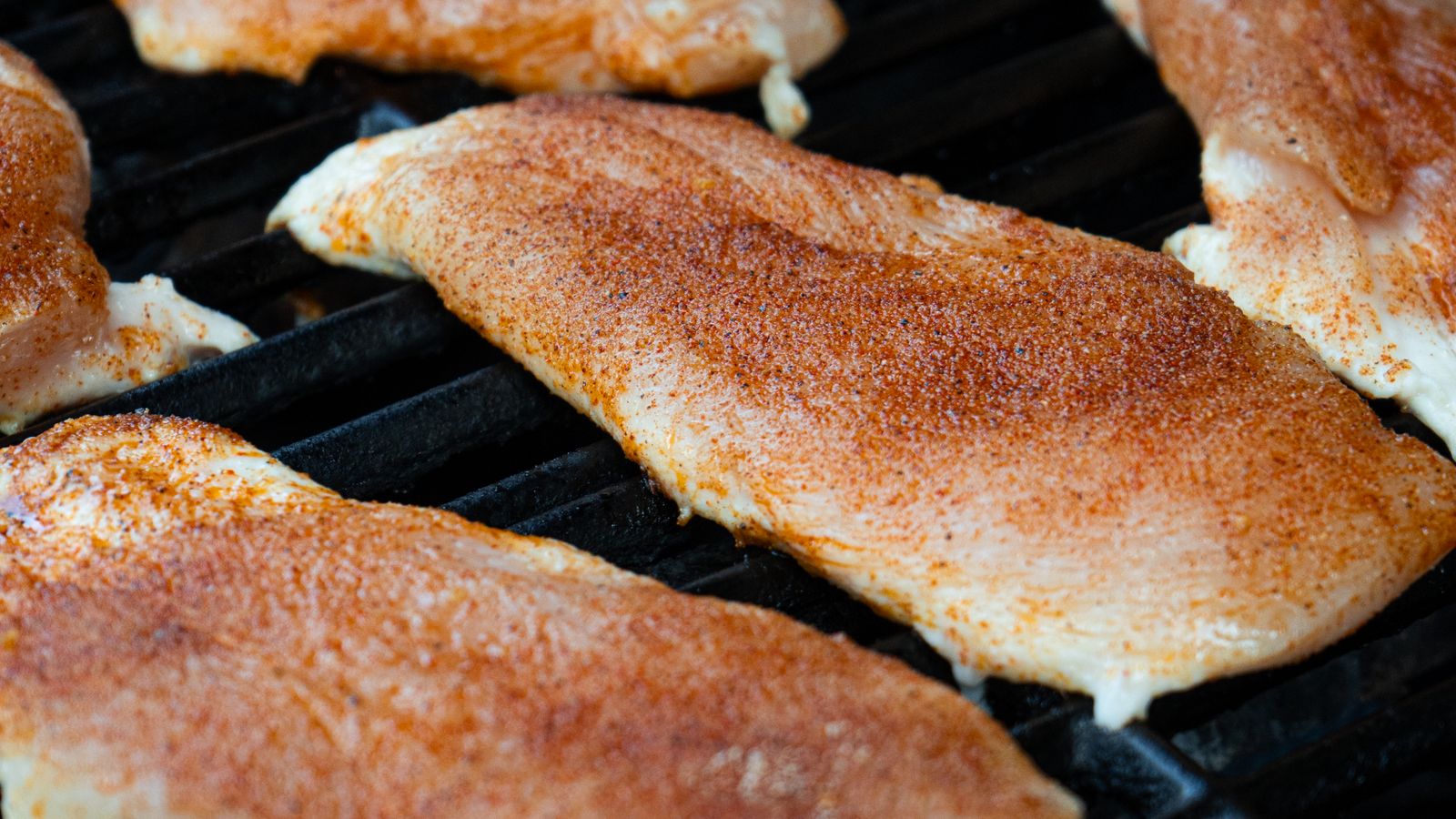
Authentic jerk in Jamaica is cooked over green pimento wood — the same allspice tree the berries come from — split logs laid over a pit, sometimes with chicken wire or corrugated metal as a makeshift grate. The green wood smolders rather than flames, throwing off a sweet, peppery smoke that's part of what makes roadside jerk in Jamaica taste different from anything you make at home with hickory.
Pimento wood isn't sold at your local hardware store, so here's the honest substitute: toss a small handful of whole allspice berries directly onto your hot coals or into your smoker box every 20-30 minutes during the cook.
It's not identical to burning the actual wood, but it puts real allspice smoke into the meat and gets you meaningfully closer than skipping it entirely.
Pair it with a mild fruitwood like apple or cherry rather than something heavy like mesquite — you want the allspice to read through the smoke, not compete with it. Our wood-pairing guide covers how much smoke wood is too much for a shorter cook like this one.
This is where most home cooks blow it. They either grill jerk chicken hot and direct the whole way (burnt allspice sugars, raw-tasting interior) or they smoke it low the entire time and serve it with rubbery, pale skin. Real jerk needs both stages.
Set up a proper two-zone fire — coals banked to one side of a kettle, or one burner on for gas, leaving a cool zone with no direct flame underneath. Run the grill at 275-300°F. Place chicken thighs on the cool side, skin side up, close the lid, and let them cook indirect for 30-40 minutes. This is where the fat renders and the allspice-scotch bonnet paste really cooks into the meat instead of just charring on contact.
Once the thighs are reading around 155-160°F internal, move them directly over the coals or the lit burner for the final push. Give them 2-3 minutes per side, watching closely — the brown sugar in the paste will want to burn fast over direct flame.
You're chasing two things here: color and a final internal temperature of 175°F for thighs.
Yes, that's well past the USDA minimum of 165°F, but thighs are dark meat loaded with connective tissue, and pushing them to 175°F is what melts that tissue into something tender instead of chewy — check the full breakdown on the meat temperature chart for why dark meat and white meat have different sweet spots.
Pull with an instant-read thermometer, not a clock — every fire runs a little different.
If you're working with a whole bird instead of parts, the same two-stage logic applies — see our spatchcock method for getting even skin crisping across a whole chicken.
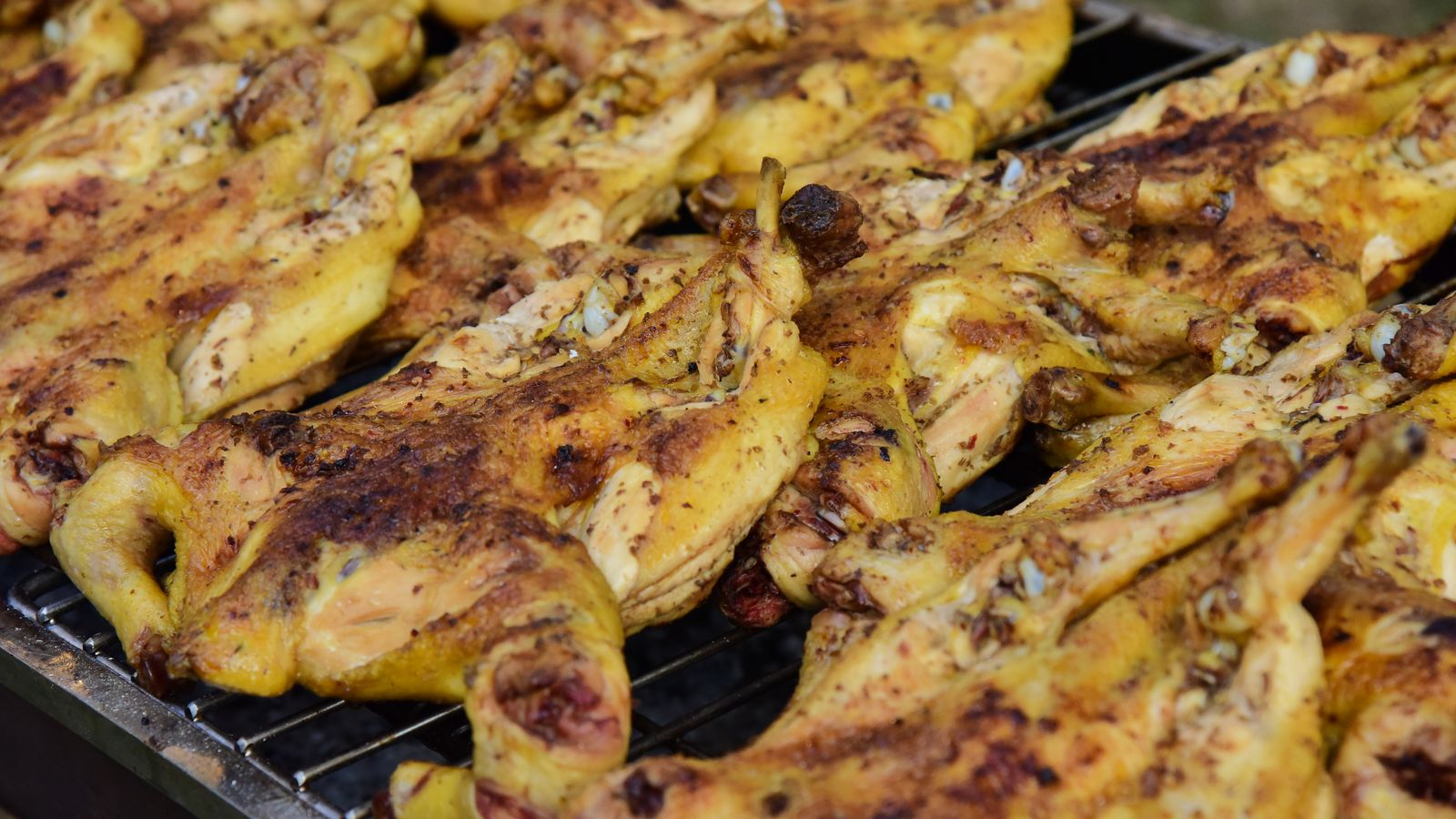
Jerk pork shoulder is arguably even better than the chicken once you've got the technique down, because the cut rewards the low-temperature side of the cook so much more. Use the same paste, doubled if you're doing a full 8-10 lb shoulder, and marinate a full 24 hours — pork shoulder can take the time and benefits from every hour of it.
Run your smoker at 250°F and cook the shoulder indirect the whole way, same as any pulled pork cook, until it hits 195-203°F internal and probes tender with no resistance — that's the collagen breaking down into gelatin, the same transformation covered in our pork butt guide.
Expect roughly 1.5 hours per pound at that temperature, so budget 12-15 hours for a full 8-10 lb shoulder.
Toward the last 30 minutes, if you want that classic jerk char, pull it to rest, then throw thick slices or chunks over direct heat for a couple minutes a side to crisp the bark before chopping or pulling.
Don't rush a shoulder onto direct heat the way you can with thighs — there's no crisping this cut needs before it's fully rendered.
Scotch bonnet sits in the same heat range as habanero — hot enough that a whole pepper blended into a paste for four pounds of meat is genuinely spicy, not a novelty. If you're cooking for a crowd that doesn't eat heat, here's how to scale it without losing the flavor:
If you want a milder route entirely, a fresh scotch bonnet or two can be swapped for jalapeño with a small pinch of cayenne to restore some of the missing heat — you'll lose the fruity edge but keep the dish recognizable. It's worth comparing how other regional pepper-and-vinegar traditions handle heat and acid — our regional BBQ sauce guide covers a few similar balancing acts if you want to build a cooling sauce to serve alongside.
Grab the free doneness + wood-pairing cheat sheet →