The quick version
It’s a four-step sequence and every step earns its keep: dry brine in equal parts kosher salt and brown sugar for 1-4 hours, air-dry 1-2 hours until the surface turns tacky — that pellicle is what makes smoke stick — then smoke at 180-225°F over alder, cherry, or apple. Pull at 135-140°F internal for moist, big-flake salmon; 145°F is the FDA floor if you want it firmer. Brush the maple-bourbon or honey-soy glaze on only in the final 20-30 minutes so it lacquers instead of burning.
Most home cooks either torch their salmon dry chasing "safe" temps, or they skip the pellicle step entirely and wonder why the smoke sits on the surface like a bad cologne instead of soaking in.
Hot-smoked salmon isn't complicated, but it is a sequence — brine, dry, smoke, glaze — and skipping a step shows up on the plate.
Get the sequence right and you get a fillet that's firm enough to hold a fork, moist enough to flake into big curds, and lacquered with a glaze that caramelizes instead of just sitting there sticky.
This is the whole method, no shortcuts: how much salt and sugar, how long to air-dry, what temperature to run your smoker, when to pull the fish, and how to glaze it without turning the exterior into candy. Works on a pellet grill, an offset, a kettle set up for indirect heat, or an electric smoker — the fish doesn't care what's generating the smoke as long as the temperature and timing are right.
Hot-smoked salmon is fully cooked, flaky, and ready to eat straight off the rack — think of it as smoked, not cured-and-dried. Cold-smoked salmon (the silky, translucent lox style) is smoked at under 90°F and stays raw-textured; it's a different process with different equipment and food-safety margins. This guide is 100% hot-smoke: real heat, real doneness, no curing chamber required.
King (Chinook), coho, or sockeye all smoke beautifully because their fat content keeps the flesh moist through a long cook — a farmed Atlantic salmon works fine too and is the easiest to find. Look for fillets in the 1 to 2 inch thick range at the shoulder end; thinner tail pieces will finish faster, so if your fillet tapers a lot, consider cutting it into two pieces and pulling the thin end early.
This is the step that separates hot-smoked salmon from just "salmon that got some smoke on it." A dry brine pulls moisture to the surface, seasons the flesh all the way through, and firms up the protein so it doesn't flake apart on the rack.
Mix equal parts kosher salt and brown sugar — a straight 1:1 ratio by volume — and pack it over the entire flesh side in a layer about 1/8 inch thick. Coarser demerara or turbinado sugar works too and gives a slightly deeper caramel note.
Lay the fillet flesh-up on a rack over a sheet pan (skin touching the rack) and refrigerate uncovered for 1 to 4 hours depending on thickness — 1 hour for thin tail pieces, up to 4 hours for a thick 2-inch center cut.
You'll see liquid bead up on the surface as the salt and sugar draw it out; that's exactly what you want. Rinse the cure off under cold water and pat the fillet bone-dry again.
If you want the deeper science on why dry brines pull moisture out and then let the fish reabsorb a seasoned version of it, the wet vs. dry brine breakdown covers the osmosis mechanics in full.
CEO TIP: Don't oversalt thin tail pieces. If your fillet varies a lot in thickness, brine the thick end for the full time and only add the thin end to the cure for the last 30-45 minutes, or you'll end up with a salty tip and an underseasoned center.
After rinsing and patting dry, set the fillet back on its rack, uncovered, and let it sit in the fridge (or in front of a fan at room temp for less time) for 1 to 2 hours. What you're building is called a pellicle — a thin, tacky, slightly glossy protein layer on the surface. It's not optional.
Smoke doesn't stick well to a wet, slippery fillet; it sticks beautifully to a tacky one, and the pellicle is what gives hot-smoked salmon that deep mahogany color and clean smoke flavor instead of a bitter, sooty surface taste.
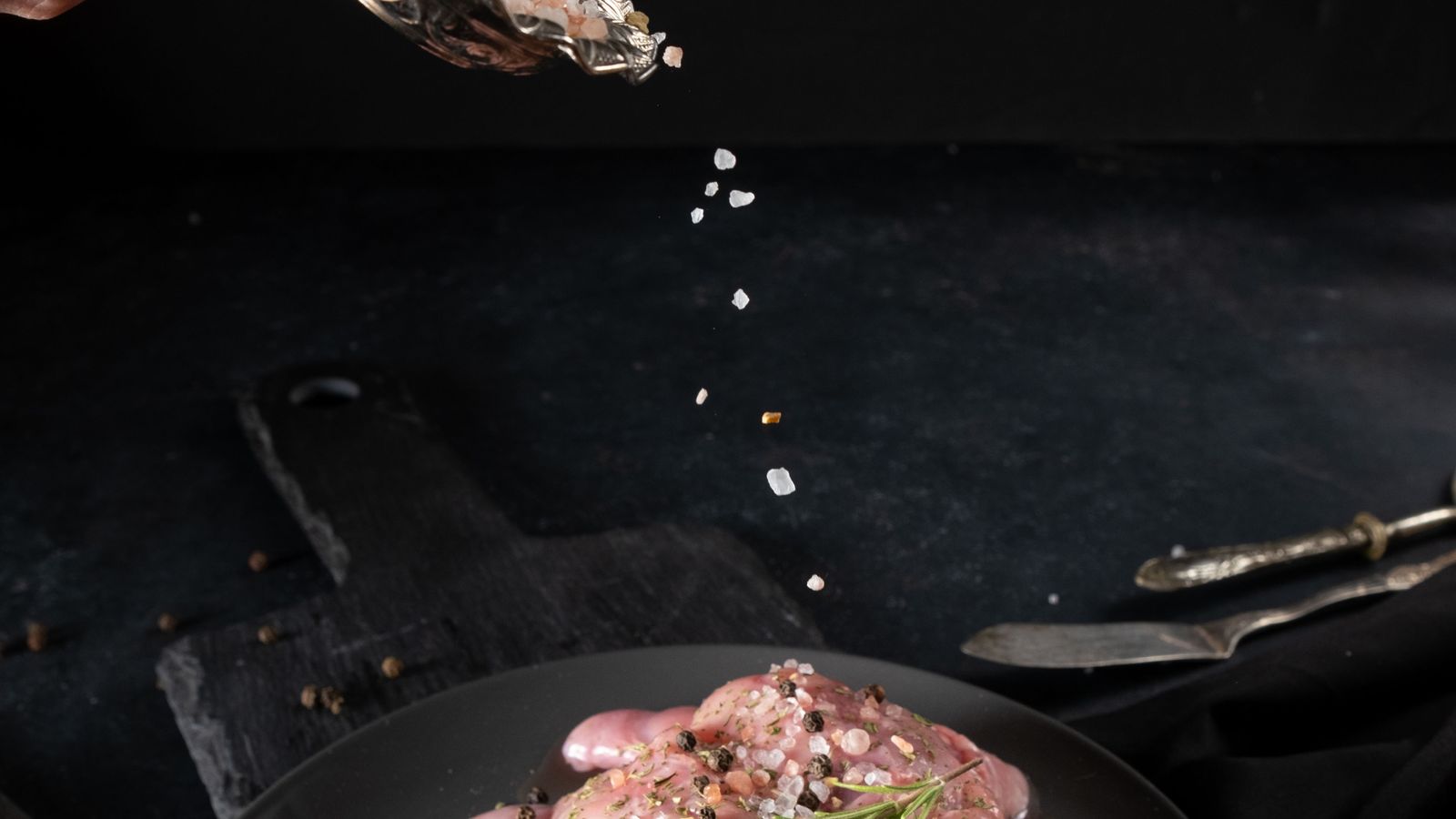
You'll know it's ready when the surface looks glossy rather than wet and feels tacky to a light fingertip touch — not sticky-wet, not dry and crusty, just tacky like the back of a stamp. Skip this and you're smoking a fillet that will taste smoky on the outside and bland everywhere else, with a duller color to boot.
Run your smoker at 180°F to 225°F (82–107°C). Lower in that range (180-200°F) gives you more time for smoke to penetrate and produces a more delicate, flakier texture; higher (up to 225°F) gets you there faster with a slightly firmer bite. Either way, this is a low-and-slow cook, not a hot-and-fast sear — the same patience that rewards low and slow smoking on bigger cuts applies here at a smaller scale.
Pull the fish at an internal temperature of 135°F to 140°F (57–60°C) for moist, flaky results that still hold together in big flakes.
The FDA's safe minimum for fish is 145°F (63°C), and that's a perfectly valid target if you want a firmer, more well-done texture — there's nothing wrong with going there.
But 135-140°F is the sweet spot most experienced smokers pull at, because carryover cooking (residual heat continuing to cook the fish after it's off the smoker) will carry it up a few more degrees while it rests.
Check it with a fast, accurate instant-read thermometer in the thickest part of the fillet, away from the rack — a reliable meat thermometer is the one piece of gear that removes all the guesswork here.
For a broader reference on carryover and target ranges across proteins, the meat temperature chart is worth bookmarking.
| Fillet Thickness | Smoker Temp | Approx. Time to 135-140°F |
|---|---|---|
| Thin tail piece (under 1 in) | 180-200°F | 1 to 1.5 hours |
| Standard fillet (1-1.5 in) | 200-225°F | 1.5 to 2.5 hours |
| Thick center cut (1.5-2 in) | 180-225°F | 2 to 3 hours |
Those ranges assume a filled cavity in your smoker holding steady temp — always go by internal temperature, not the clock, since fish thickness and smoker airflow both shift the actual time. If you're still dialing in even heat across your cooker, a proper two-zone fire setup makes it far easier to hold a steady 180-225°F without flare-ups scorching the skin side.
Grab the free doneness + wood-pairing cheat sheet →Alder is the traditional wood for smoked salmon — it's what Pacific Northwest smokehouses have used for generations, and it gives a light, slightly sweet smoke that doesn't fight the fish's natural oils.
If you don't have alder on hand, cherry and apple are excellent substitutes — both are mild fruit woods that complement fish without overpowering it. Avoid heavy woods like hickory or mesquite here; they're built for beef and pork and will bulldoze the delicate flavor of salmon.
Glaze late, not early — brush it on for only the final 20 to 30 minutes of the smoke. Sugar-based glazes burn and turn bitter if they're on the fish for hours; applied late, they build a lacquered, slightly sticky finish without scorching.
Simmer 1/2 cup real maple syrup, 2 tablespoons bourbon, 1 tablespoon Dijon mustard, and 1 tablespoon apple cider vinegar in a small saucepan for 3-4 minutes until it thickens slightly. Brush on in two coats, 10-15 minutes apart, during the final half hour.
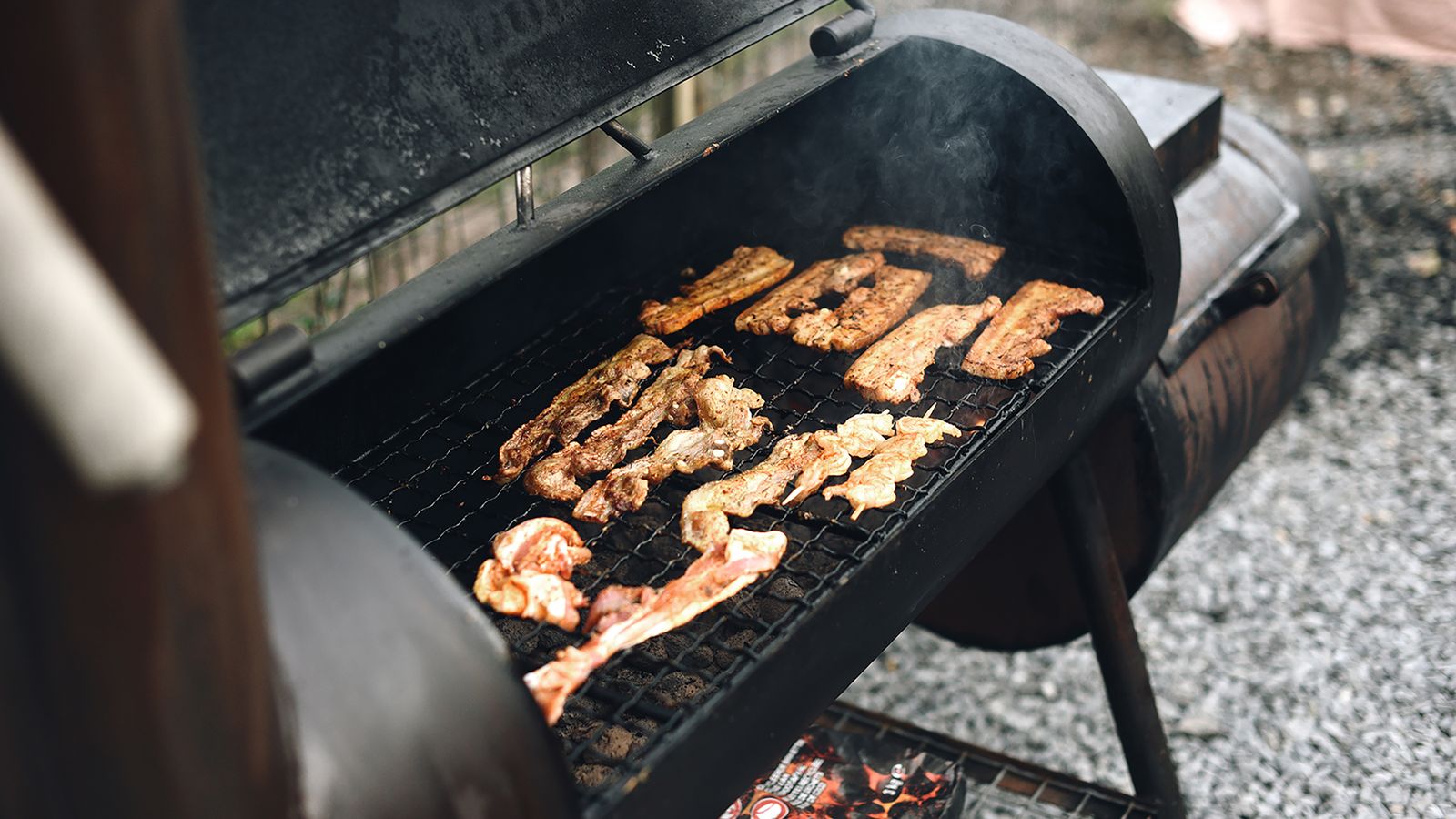
Whisk together 1/3 cup honey, 3 tablespoons soy sauce, 1 tablespoon rice vinegar, 1 teaspoon grated ginger, and a pinch of red pepper flake. No need to cook it first — brush it straight on in the last 20-30 minutes, building up two or three light coats rather than one heavy one so it caramelizes instead of pooling.
CEO TIP: Whichever glaze you use, brush thin layers and let each one tack up for a few minutes before the next coat. One thick coat just slides off or burns; three thin coats build real lacquer.
Hot-smoked salmon is fully cooked and safe to eat the moment it comes off the smoker — no resting required for safety, though giving it 5-10 minutes lets the glaze set up and makes it easier to portion cleanly. Serve it warm, at room temp, or chilled; it's genuinely good all three ways, flaked over a green salad, folded into eggs, or just eaten off the fork with good bread.
Refrigerate leftovers in an airtight container and use them within 3 to 4 days. It also freezes well for up to two months if you vacuum-seal it — thaw overnight in the fridge rather than at room temp. If you're planning a full spread around it, round out the table with something from the BBQ side dish guide — a bright slaw or potato salad cuts nicely against the rich, smoky fish.