The quick version
The gap between a backyard cook and a pitmaster is mindset, not gear. Five principles: let the fire set the schedule instead of the guests, lay everything out before you light, treat temperature as the guide and texture as the verdict, log your cooks so wins repeat, and point every decision at one question — does this make the meat taste better? Cook for the bite, not the likes.
Anyone can light charcoal and throw meat over it. That's not barbecue — that's cooking with fire, and humans have been doing it for a million years. The difference between a backyard cook and a pitmaster isn't equipment, secret rubs, or some genetic gift for flame. It's mindset.
The people who produce great BBQ consistently are the ones who treat the cook like a project manager treats a launch: planned, measured, documented, and executed with discipline. Here are the five principles that separate the CEOs from the casuals.
The biggest mistake in backyard grilling is deciding what to cook based on what time people are arriving. A brisket doesn't care about your dinner party. Neither does a pork butt, a rack of ribs, or even a thick reverse-seared steak. You start with the fire's timeline and work backwards.
Before you touch a bag of charcoal, you should know: what cut, what target temp, what approximate cook time, and what your finishing window looks like. If your guests arrive at 6 p.m. and you're starting a brisket at 3 p.m., you've already failed. If you're firing up burgers at 5:45 and expecting to eat by 6:15, you're in better shape — but you still need a plan for resting, plating, and sides.
The CEO move is simple: the fire sets the schedule, not the guests. Build your menu around what your equipment and technique can deliver in the time you have. Short window? Do hot-and-fast chicken or steaks. Long afternoon? Low-and-slow barbecue is your play. Never promise a cook you can't deliver.
French chefs have a phrase for having everything in its place before service starts: mise en place. Pitmasters who skip this step are the ones running back inside for tongs, foil, a water pan, or the thermometer they forgot to charge. Every trip away from the pit is a chance to miss a temperature spike, a flare-up, or a stall that's about to break.
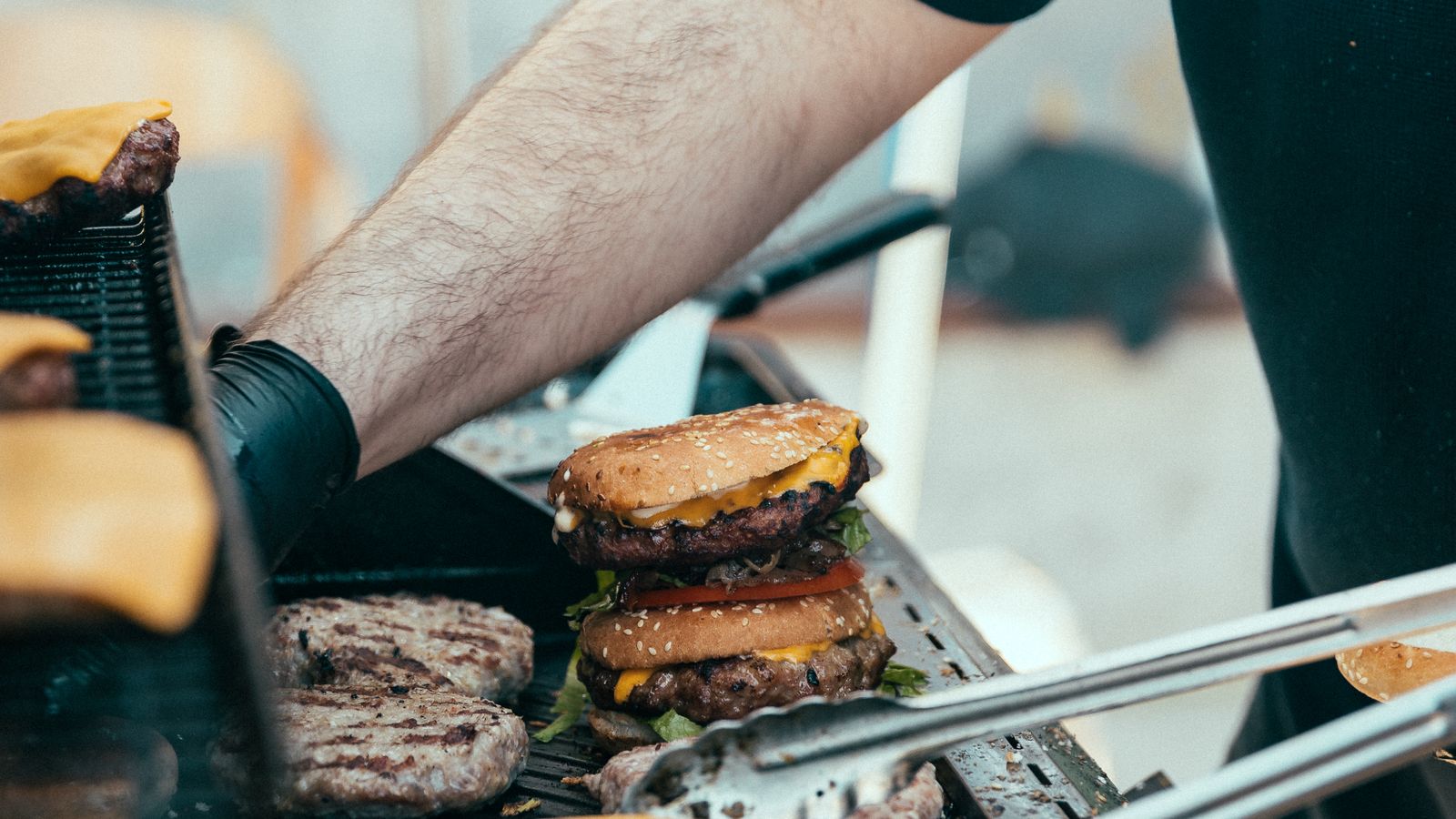
Before you light the fire, lay out your workspace: tools within arm's reach, thermometer probe ready, spray bottle filled, foil or butcher paper cut to size, serving board clean, knife sharp. If you're doing a long smoke, set up your chair, your drink, your reading material, and your faux cambro cooler nearby. The less you move, the more you observe.
Internal temperature is the single most important metric in barbecue, but it's not the only one. A brisket can read 203°F and still be tight if it hasn't held there long enough. Ribs don't take a thermometer read — they take a bend test. Chicken skin crisps at surface temperatures that have nothing to do with the safe minimum.
The best cooks use temperature as a guide and texture as the verdict. When your probe slides into the flat like warm butter, the number barely matters anymore. Learn to read the meat, not just the display.
Anybody can get lucky once. A great brisket on a perfect day with ideal weather doesn't make you a pitmaster — it makes you lucky. What matters is whether you can repeat it in the wind, in the rain, on a cheap kettle, at a friend's house, with different charcoal.
That repeatability comes from systems. Document your rub ratios. Note your vent settings for target temperatures. Keep a log of cook times, weather conditions, and results. The pitmasters who win competitions aren't guessing — they're iterating on a recipe that started years ago. Your notebook is as important as your smoker.
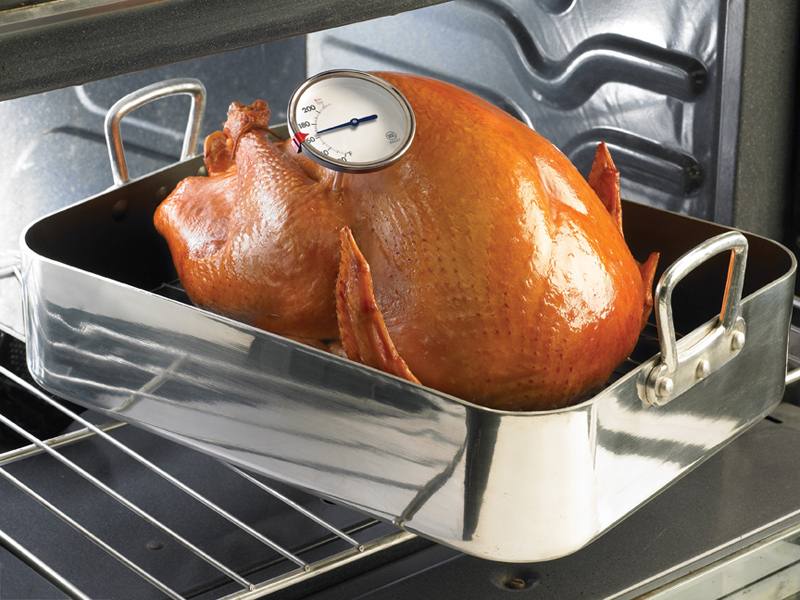
This is the whole game, and it's the reason this site exists. The goal of barbecue isn't to show off your equipment, your rub collection, or your ability to hold 225°F for fourteen hours. The goal is to produce meat that makes people stop talking and reach for another bite.
That means balancing smoke, salt, fat, and texture. It means knowing when enough wood is enough — more smoke doesn't mean better smoke. It means rest times that preserve juice. It means slicing against the grain so the meat doesn't fight back. Every decision in the cook should trace back to one question: does this make the meat taste better?
The fancy bark, the Instagram photos, the heavy smoke ring — those are byproducts, not objectives. Cook for the bite, not the likes. Taste the meat, not the heat.